





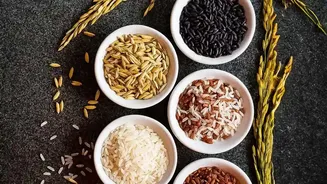
The Problem with Polished White Rice
For generations, polished white rice has been a staple in countless Indian households. It’s comforting, versatile, and easy to digest. However, its role in gut health is less than stellar. The polishing process strips away the bran and germ, removing
almost all of its dietary fibre. White rice contains a mere 0.2 to 0.4 grams of fibre per 100 grams. This is significant because dietary fibre is the primary food source for the beneficial bacteria living in your gut. A diet low in fibre essentially starves these helpful microbes, which can lead to an imbalanced gut microbiome, constipation, and other digestive issues. Furthermore, its high glycemic index can cause rapid spikes in blood sugar, which is a concern for metabolic health.
Foxtail Millet: A Fibre-Rich Powerhouse
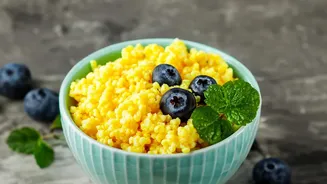
Enter foxtail millet (known as Kangni or Korralu), an ancient grain making a well-deserved comeback. Nutritionally, it stands far superior to white rice, especially for gut health. Foxtail millet boasts around 8 grams of dietary fibre per 100 grams—nearly 25 to 30 times more than white rice. This fibre acts as a prebiotic, feeding beneficial gut bacteria like Bifidobacterium and Lactobacillus. A thriving community of these microbes is linked to improved digestion, reduced inflammation, and a stronger gut barrier. Beyond fibre, foxtail millet is also a richer source of protein and essential minerals like calcium and iron compared to its polished counterpart.
Sorghum (Jowar): The Gut's Unsung Hero
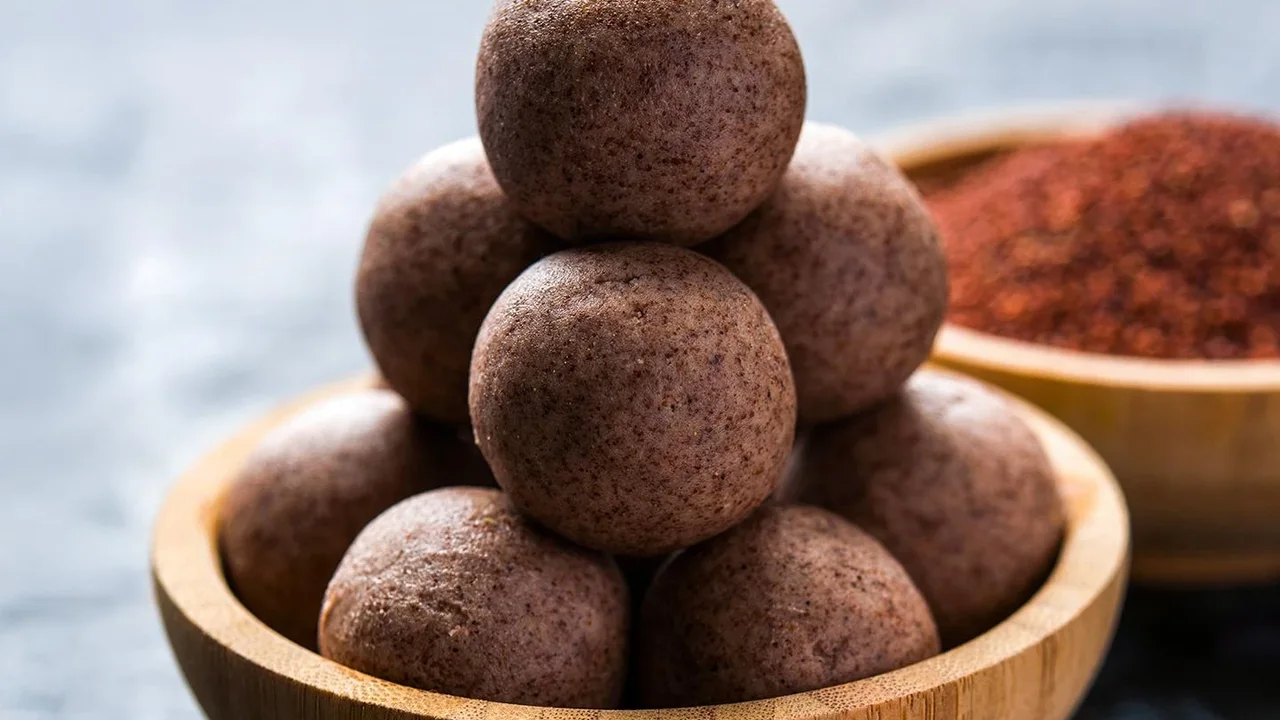
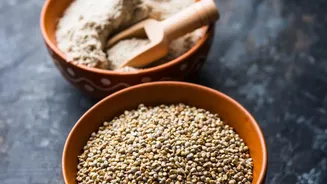
Sorghum, or jowar, is another gluten-free grain that offers profound benefits for the digestive system. It is packed with dietary fibre, but its real advantage lies in its unique compounds. Sorghum is rich in resistant starch and polyphenols. Resistant starch passes through the small intestine undigested and ferments in the colon, where it acts as a powerful prebiotic. This fermentation process produces short-chain fatty acids (SCFAs), such as butyrate, which are crucial for nourishing colon cells and reducing inflammation. Moreover, the polyphenols found in sorghum, particularly in coloured varieties, have been shown to support the growth of beneficial microbes while suppressing potentially harmful ones. Studies suggest these properties help enhance microbial diversity, a key indicator of a healthy gut.
How to Make the Switch Seamlessly
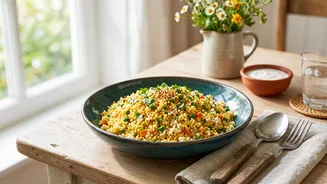
Transitioning from rice to millets doesn't have to be an overnight overhaul. Start by introducing them gradually. Try a 'millet Monday' or mix millets with rice to get accustomed to the new texture and taste. Foxtail millet has a mild, slightly nutty flavour and can be cooked just like rice: use one part millet to about two and a half parts water and simmer for 20-25 minutes. It works beautifully in dishes like upma, pulao, and even as a simple replacement for steamed rice. Sorghum flour is already widely used to make rotis (jowar ki roti). You can also use whole sorghum grains in salads or cook them into a porridge. The key is to soak the grains for a few hours before cooking to improve their digestibility and nutrient absorption. Many find that within a few weeks, they prefer the heartier texture and sustained energy these ancient grains provide.