

Start by Choosing Quality Saffron
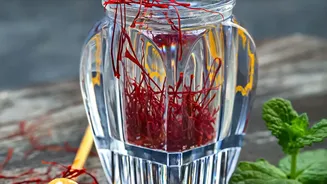
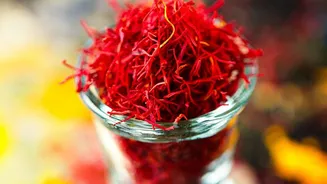
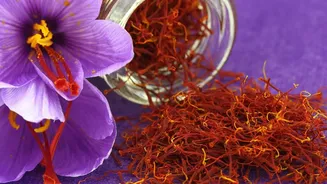
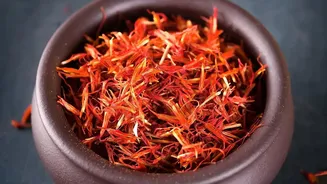
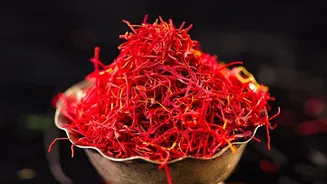
Your storage efforts are only as good as the saffron you buy. Genuine, high-quality saffron threads should be a deep, uniform red colour, often with a slightly lighter orange tip at one end. They should be dry and brittle to the touch. The aroma is the biggest
giveaway: authentic saffron has a distinct smell of honey and hay. A simple home test can verify its purity. Drop a few threads into a glass of cool water. Real saffron will slowly release a golden-yellow colour over 10-15 minutes, while the threads themselves remain red. Fakes, often made of dyed corn silk or safflower, tend to bleed a reddish or orange colour instantly.
The Four Enemies of Saffron
To store saffron effectively, you must protect it from four key elements: light, heat, air, and moisture. Light, especially direct sunlight, degrades the chemical compounds that give saffron its colour and flavour. Heat from a nearby stove or a warm spot in the kitchen can destroy its volatile aromatic compounds. Exposure to air causes the aroma to dissipate, and moisture is the worst culprit, as it can make the delicate threads clump together, turn musty, or even grow mould. Saffron that has absorbed moisture will feel soft and bendy instead of brittle.
The Ideal Storage Method
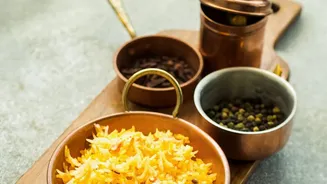
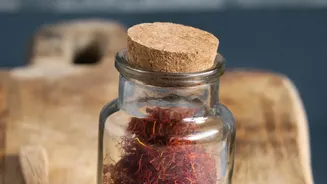
The best way to store saffron is in a small, airtight container kept in a cool, dark, dry place. A kitchen cabinet or pantry, far away from the stove, oven, or a sunny window, is perfect. An opaque or dark glass jar is ideal, but a clear glass jar is fine if it's kept inside a dark cupboard. Always use a dry spoon or clean, dry fingers to take out threads, as even a tiny drop of moisture can compromise the entire batch. While some suggest refrigeration, this is generally not recommended for home use, as the condensation that forms when the jar is taken in and out can introduce moisture.
Whole Threads vs. Powder
Always buy and store saffron as whole threads. Saffron powder loses its aroma much more quickly because a larger surface area is exposed to air. Powdered saffron is also much easier for unscrupulous sellers to adulterate with other spices like turmeric or paprika. Whole threads not only retain their potency for longer—up to two years if stored correctly—but also allow you to verify their authenticity. If a recipe calls for ground saffron, it's best to grind the threads yourself in a mortar and pestle just before use.
How to 'Bloom' Saffron for Cooking
Simply tossing dry saffron threads into a dish is one of the most common mistakes in Indian cooking. To unlock saffron's full potential, you must 'bloom' it first. This means steeping the threads in a small amount of warm liquid to release their colour and flavour compounds. Lightly crush a pinch of saffron (about 15-20 threads for a dish serving four) and soak them in two to three tablespoons of warm—not boiling—milk or water for at least 15-20 minutes. Boiling liquid can destroy the delicate aroma. For biryani or kheer, blooming in milk adds a richer flavour. Then, add both the liquid and the softened threads to your dish, usually near the end of the cooking time, to preserve the fragrance.
Saffron in the Indian Kitchen
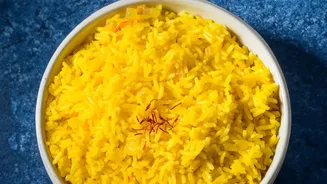
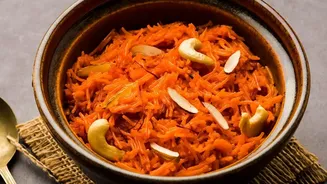
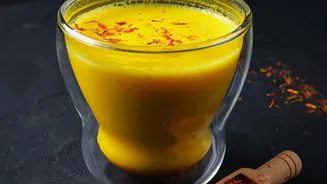
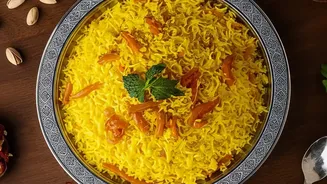
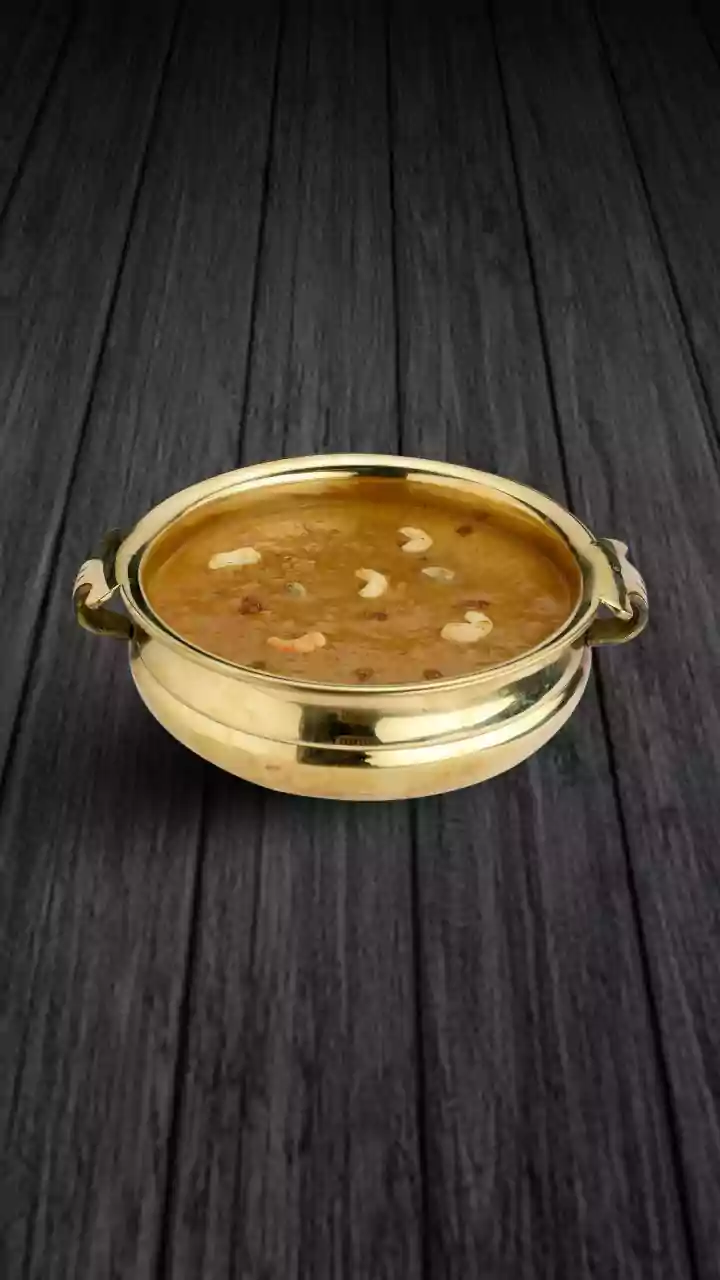
Once bloomed, saffron's uses in Indian cuisine are numerous. For biryani and pulao, the golden liquid is drizzled over the top layer of rice just before the final 'dum' or steaming stage, creating beautiful, fragrant streaks. In desserts like kheer, phirni, and shrikhand, the bloomed saffron is stirred in towards the end of cooking to infuse the entire dish with a gentle glow and aroma. It is the star in kesar doodh (saffron milk) and adds a luxurious touch to mithai like kesar peda and rasmalai. A general rule is to use about 15-20 threads for a family-sized rice dish or dessert.