






The Digital Revolution Reaches Bharat
The blueprint for India's creator economy was once simple: move to a metro city, create polished English or Hinglish content, and chase brand deals. For a long time, this was the only visible path to digital stardom. But this narrative is becoming outdated.
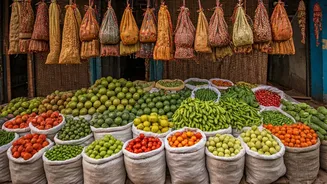
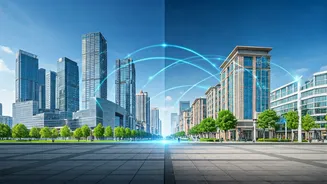
The real story of growth in India's digital landscape is no longer confined to its bustling metropolises. It's unfolding in the towns and cities of what is often called 'Bharat'—the non-metro, regional heart of the country. This transformation didn't happen overnight. It’s the result of a perfect storm: the world's most affordable mobile data, widespread smartphone penetration, and an insatiable hunger for content that reflects local cultures and languages. With the majority of new internet users now coming from rural and semi-urban India, the centre of digital gravity is shifting. They aren’t just passive consumers; they are active creators building communities and businesses from their hometowns.
Vernacular Is the New Voice of Influence
One of the biggest drivers of this change is the overwhelming demand for vernacular content. For years, the digital space was dominated by English, but reports now show that a vast majority of Indian internet users prefer consuming content in their native language. Creators who speak Tamil, Telugu, Marathi, Bengali, Bhojpuri, and other regional languages are finding massive, highly engaged audiences. They discuss everything from film reviews and financial literacy to comedy and cooking, all in a dialect that feels like home to their viewers. This isn't just about translation; it's about cultural connection. A joke lands better in a local dialect, a recipe feels more authentic when explained with regional terms, and advice is more trusted when it comes from someone who understands the local context. These creators aren’t just filling a gap; they are serving a massive, previously underserved market that was tired of generic, one-size-fits-all content.
Authenticity Trumps Aspiration
While metro creators often built their brands on aspirational lifestyles, the new wave of stars from cities like Kanpur, Coimbatore, and Nagpur are winning with something far more powerful: authenticity. Their content is rooted in the everyday realities of their communities, showcasing relatable struggles and triumphs. Audiences see them less as distant celebrities and more as 'one of their own'. This high level of trust translates into staggering engagement rates, often far exceeding those of their metro-based counterparts. Studies indicate that regional micro-influencers can achieve significantly higher interaction because their communities are more tightly knit and less saturated with branded content. It’s a shift from a polished, aspirational ideal to a grounded, believable reality, and audiences are rewarding it with their attention and loyalty.
Brands Are Following the Audience
It didn’t take long for brands to notice this shift. Marketers are increasingly moving beyond the metros to tap into these engaged and trusting audiences. Data from influencer marketing agencies shows a dramatic increase in briefs that specifically mandate regional creators. Some reports indicate that up to 45% of national campaigns now require vernacular influencers. For companies in sectors like FMCG, e-commerce, and fintech, these creators offer a direct and credible line to consumers in Tier-2 and Tier-3 cities. Furthermore, it is a cost-effective strategy. Campaigns with regional influencers can achieve better engagement and higher conversion rates at a fraction of the cost of roping in a major metro-based star. Brands like Flipkart, Meesho, and HUL have already seen success by partnering with regional creators to promote products tailored to local tastes and preferences.