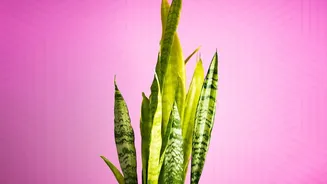

Snake Plant (Sansevieria)
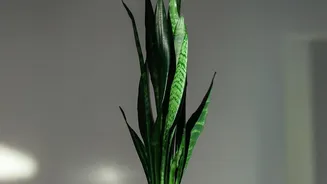
Often called the most indestructible houseplant, the Snake Plant is a perfect monsoon companion. Its tolerance for low light makes it ideal for cloudy days, and its succulent-like leaves store water, drastically reducing the need for frequent watering.
This quality is a major advantage during the damp season when overwatering and root rot are common risks. Simply place it in a corner, water only when the soil is completely dry to the touch, and let it stand tall. It is also renowned for its air-purifying qualities, making your indoor space healthier.
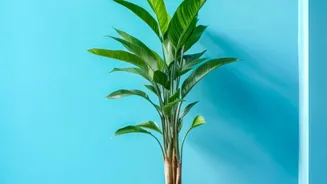
ZZ Plant (Zamioculcas zamiifolia)
If you're a forgetful waterer, the ZZ Plant is your best friend. It is exceptionally drought-tolerant, thanks to the water-storing rhizomes at its base. This resilience makes it virtually immune to the neglect that can spell doom for other plants, especially in the humid monsoon when soil dries slowly. The ZZ Plant thrives in low to indirect light and is not fussy about humidity levels, making it perfectly suited for the Indian rainy season. Its glossy, dark green leaves add a touch of modern elegance to any room.
Pothos or Money Plant (Epipremnum aureum)
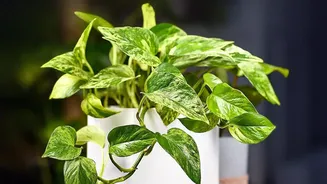
No list of easy-care Indian houseplants is complete without the Money Plant. This vigorous vine thrives in the high humidity that characterises the monsoon. Its aerial roots absorb moisture directly from the air, supplementing its water needs. Pothos is incredibly adaptable, growing well in a range of light conditions, from bright indirect light to shadier spots. Whether trailing from a hanging basket or climbing up a support, its heart-shaped leaves bring a lush, tropical feel indoors with minimal effort. You can even grow it directly in water.
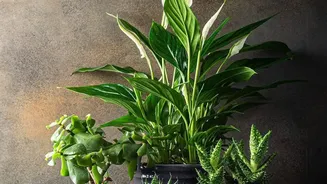
Peace Lily (Spathiphyllum)
For those who want flowers without the fuss, the Peace Lily is an excellent choice. It loves humid environments and can tolerate the lower light levels common during overcast monsoon days. In fact, the added humidity in the air helps its elegant white blooms flourish. The Peace Lily has a convenient habit of slightly drooping its leaves when it's thirsty, taking all the guesswork out of watering. It’s also a powerful air purifier, helping to keep your indoor air fresh when windows are closed against the rain.
Spider Plant (Chlorophytum comosum)
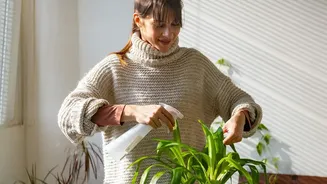
The Spider Plant is a resilient and adaptable choice that does particularly well during the rainy season. It enjoys the high humidity, which helps its long, arching leaves stay vibrant. This plant is forgiving and bounces back easily if you occasionally forget to water it. During the monsoon, you’ll often see it produce small baby plantlets, or “spiders,” that can be easily propagated to create new plants for your home or for friends. It prefers indirect light and well-draining soil to prevent waterlogging.
General Monsoon Care Tips
Even the hardiest plants benefit from a few seasonal adjustments. During the monsoon, the number one rule is to avoid overwatering. Always check if the top inch or two of soil is dry before adding more water. Ensure all your pots have drainage holes to let excess water escape, preventing root rot. Since light is limited, rotate your plants occasionally so all sides get some exposure. Finally, keep an eye out for pests and fungal growth, which are more common in damp conditions.