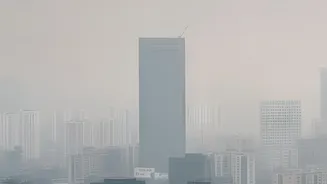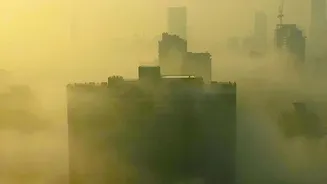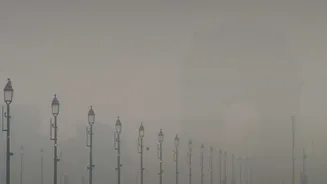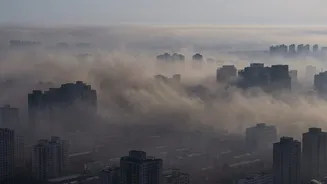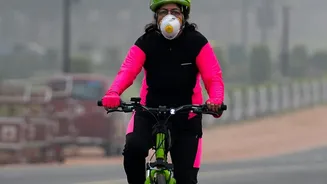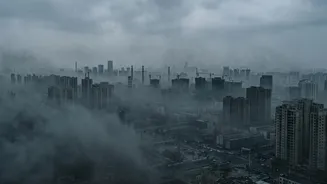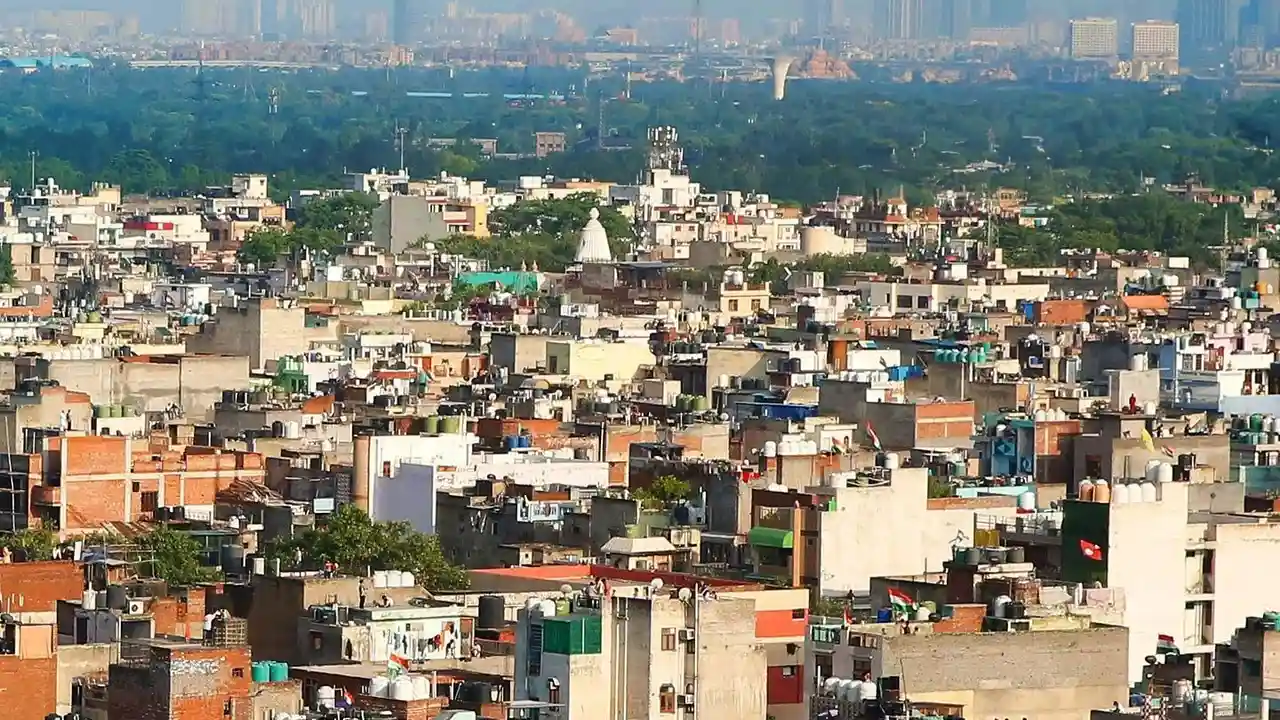




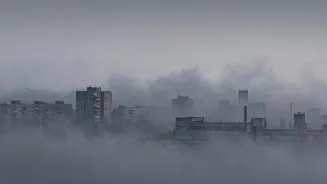
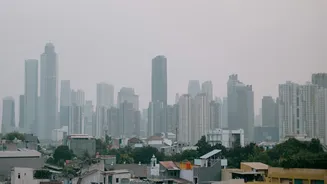
The annual haze has returned to Delhi, bringing the familiar scent of smoke and inescapable grit. But beyond the daily AQI warnings and scratchy throats lies a much deeper crisis affecting everyone in the city, often in ways we don't even see.
The Air We Breathe Now
As of mid-November
2026, Delhi's air quality has consistently been in the 'very poor' to 'hazardous' categories. On November 12, the city-wide Air Quality Index (AQI) settled at 323, a 'very poor' reading, though it had climbed to a hazardous 597 earlier in the morning. This follows a dangerous spike after Diwali, when the AQI surpassed 600 in many areas, with PM2.5 concentrations reaching levels many times higher than the World Health Organization's safety guidelines. These fine particulate matter particles, less than 2.5 micrometres wide, are the most dangerous pollutants. They are small enough to bypass the body's natural defences, penetrating deep into the lungs and entering the bloodstream, where they can cause systemic damage. Doctors have expressed alarm, noting that even healthy individuals are presenting with persistent throat irritation and respiratory discomfort.
More Than Just a Cough
The health impact of Delhi's air extends far beyond the immediate symptoms of coughing and breathlessness. Medical experts warn that long-term exposure to PM2.5 is linked to a host of serious conditions. Because these particles enter the bloodstream, they trigger inflammation throughout the body, increasing the risk of cardiovascular events like heart attacks, strokes, and irregular heartbeats. The danger isn't limited to the heart and lungs. A growing body of research now connects chronic pollution exposure to neurological problems. Studies indicate it can accelerate brain ageing, impair cognitive function, and increase the risk of dementia and stroke. Doctors are also reporting a rise in non-smokers developing lung cancer, a trend they feel is linked to breathing the city's toxic air for years. For children, the risks are especially dire. Repeated exposure can impair lung development, potentially reducing their maximum lung capacity for life.
The Toll on Mental Well-being
The pervasive smog does not just cloud the skies; it can also cloud the mind. Living under a constant blanket of hazardous air is taking a significant toll on the mental health of Delhi's residents. Clinicians report a rise in patients with heightened anxiety, depression, sleep disturbances, irritability, and 'cognitive fog' triggered or worsened by pollution. The stress of being confined indoors, worrying about the health of one's family, and the feeling of helplessness can exacerbate existing mental health conditions. Some experts refer to this as 'pollution anxiety'. Research suggests pollutants can directly affect brain chemistry, and a Delhi government report acknowledged the link between toxic air and conditions like depression and anxiety. People report feeling more distressed and lethargic, with difficulty concentrating, especially during peak pollution periods.
A City on Standstill
When the AQI spikes, life in Delhi slows to a crawl. The impact on daily routines is profound and disruptive. Schools are often ordered to close, forcing parents to juggle work and childcare. Many businesses encourage employees to work from home. Emergency measures under the Graded Response Action Plan (GRAP) can bring a halt to construction activities and restrict vehicle entry into the city, snarling supply chains. For millions, the simple act of stepping outside becomes a calculated risk. Outdoor exercise is illadvised, social plans are cancelled, and children are kept indoors. This disruption particularly affects the city's most vulnerable, including daily wage labourers in construction and street vendors, who cannot afford to stop working but face the worst exposure. Even shopping habits change, with reports showing a significant drop in footfall at markets during severe pollution episodes as people choose to stay home.
The Hidden Economic Burden
The cost of Delhi's polluted air is measured not just in health, but in rupees. On an individual level, households face rising expenses for air purifiers, masks, and increased doctor visits. But the macroeconomic impact is staggering. Air pollution in India is estimated to cause significant losses in business revenue through reduced worker productivity, premature mortality, and lower consumer footfall. One 2021 study estimated that output lost to premature deaths and illness from air pollution cost India 1 .36% of its GDP in 2019 , with Delhi recording the highest per - capita loss . This figure doesn 't even include the direct costs of treatment . Sectors like retail , transport , and construction are hit directly by pollution - related restrictions and behavioural changes . This recurring environmental crisis has become a structural economic risk , acting as a tax that everyone pays through lost wages , higher healthcare spending , and slower growth .