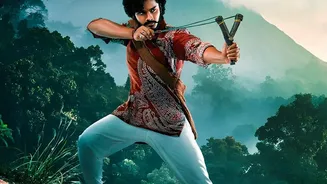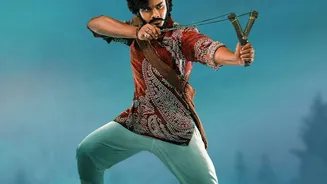




A hero enters in slow motion as the music swells. An adoring crowd roars. An impossibly choreographed fight sequence unfolds. These are the cinematic mass elements that are increasingly defining the modern pan-Indian blockbuster.
What Are 'Mass' Elements?
The term ‘mass’ or ‘masala’
in Indian cinema refers to a potent blend of genres designed for maximum audience appeal. A masala film isn't just an action movie or a romance; it's everything at once. It combines high-octane action, broad comedy, heartfelt romance, and intense family drama into a single, cohesive experience. At the core of this formula is a larger-than-life hero, often from humble beginnings, who battles injustice and protects the innocent. These films are characterized by their memorable dialogues, powerful musical scores, and spectacular action set pieces that often defy the laws of physics. The goal is to create an emotional journey with something for everyone, rooted in relatable themes like family, loyalty, and the triumph of good over evil.
The Rise of the Pan-Indian Film
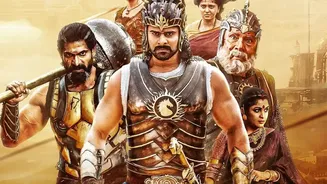
The pan-Indian film movement, largely pioneered by the monumental success of S.S. Rajamouli's Baahubali series, represents a strategic shift in Indian filmmaking. These are movies made to transcend regional and linguistic barriers, often released simultaneously in Hindi, Tamil, Telugu, Kannada, and Malayalam. The formula involves a massive budget, a universally appealing story, and often, a star cast drawn from different industries to maximize reach. Films like KGF, Pushpa: The Rise, and RRR have demonstrated the immense box office potential of this model, capturing the imagination of audiences nationwide. This approach is not just about dubbing a regional film; it's about creating an event spectacle marketed aggressively across the country from day one.
A Universal Language of Action
Mass elements are the perfect vehicle for the pan-Indian model because they rely on a universal language. Grand visuals, stylized action, and raw emotion don't require deep cultural or linguistic nuance to be understood and enjoyed. While a subtle comedy or a dialogue-heavy drama might get lost in translation, the visceral thrill of a well-executed action sequence is universal. These films tap into a shared appetite for spectacle and heroism. The protagonists of KGF and Pushpa resurrect the 'angry young man' archetype, a figure who rises against a corrupt system, which has a timeless and cross-cultural appeal. By blending specific regional stories with these universally understood tropes, filmmakers create content that feels both rooted and epic.
Beyond the Screen
Several factors are fueling this trend. In a post-pandemic world, audiences seem to crave larger-than-life escapism that the big screen provides best. The rise of streaming platforms has also made viewers across India more familiar with content from different regions, breaking down old barriers. Furthermore, there's a growing sentiment among audiences and even some industry veterans that mainstream Hindi cinema had, for a time, moved away from these 'massy' roots, creating a vacuum that films from the South have successfully filled. These action sagas deliver a powerful, community-focused viewing experience, encouraging the cheers and whistles that mark active audience participation in Indian theatres.