






The Invisible Ingredient In Our Meals
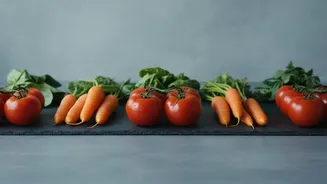
It’s a strange and unsettling thought: your daily meal, from a fresh salad to a hearty seafood curry, might contain an invisible, unintended ingredient. We’re not talking about a rogue spice, but about microplastics. These are tiny plastic particles,
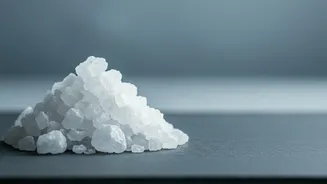
typically less than five millimetres in size, that result from the breakdown of larger plastic products like bottles, bags, and clothing. They have become so widespread in the environment that they are now systematically entering our food supply, turning up in everything from sea salt and honey to fish and bottled water. This infiltration is not just a distant environmental issue; it’s a kitchen table problem, forcing scientists and health experts to ask a critical question: what does eating plastic mean for our bodies?
From Landfills and Oceans to Your Plate
How do these minuscule particles end up in our food? The journey is complex and multifaceted. A significant portion of contamination comes from the environment. Plastic waste in oceans and rivers is ingested by marine life, from small fish to larger shellfish, and can become part of the human food chain when we consume them. On land, agricultural soil is becoming increasingly contaminated through plastic-based fertilisers, wastewater irrigation, and the breakdown of plastic mulching films. From there, it's possible for crops to absorb these particles. Beyond the farm and sea, our own kitchens can be a source. Using plastic containers to heat food, for example, can cause millions of particles to leach into your meal. Even the simple act of cutting vegetables on a plastic chopping board can contribute to ingestion.
The Billion-Rupee Health Question
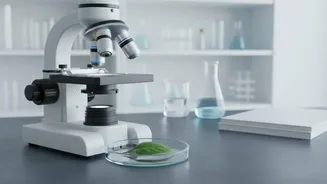
For years, the question of whether microplastics are harmful has been difficult to answer definitively. However, the scientific picture is becoming clearer and more concerning. Researchers have now found these particles in human blood, lungs, arterial plaque, and even placentas. The primary health concerns are not just about the physical particle, but also the chemicals they carry. Plastics often contain additives like phthalates and bisphenols (BPA), which are known endocrine disruptors that can interfere with the body's hormonal systems. Animal and lab studies have linked microplastic exposure to a range of issues, including inflammation, immune system disruption, cellular damage, and hormonal imbalances.
Separating Fact From Fear
While the laboratory findings are alarming, leading bodies like the FDA in the United States currently state that there isn't enough evidence to show the levels of microplastics found in food pose a risk to human health. However, the science is rapidly evolving. A landmark study published in The New England Journal of Medicine in 2024 found a direct link between microplastics in arterial plaque and a significantly higher risk of heart attack, stroke, or death. This shifted the conversation from a theoretical risk to a measurable clinical outcome in humans. Other studies suggest a link between gut inflammation and the presence of microplastics. The consensus is that while we don't need to panic, the precautionary principle suggests that reducing exposure is a sensible goal as research continues.
Navigating a Plastic World
Completely avoiding microplastics is practically impossible in the modern world. However, experts suggest several simple steps to significantly reduce your exposure. One of the most effective changes is to minimise contact between your food and plastic, especially when heated. Avoid microwaving food in plastic containers, opting for glass or ceramic instead. Drink tap water, which studies show often contains fewer microplastics than bottled water, and consider using a water filter. Try to use non-plastic kitchenware, such as wooden or bamboo cutting boards and stainless steel utensils. Choosing fresh, unpackaged foods over highly processed items that come in extensive plastic packaging can also help. These small, conscious choices can limit your daily intake while scientists work to understand the long-term consequences.