





Breaking the 'Use and Throw' Habit
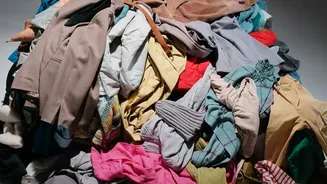
We live in a world of convenience, where a new version of almost anything is just a click away. This has bred a 'throwaway culture,' where it feels easier to replace a malfunctioning item than to investigate the problem. Often, this is by design; some
products are made in a way that makes them difficult to repair, a concept known as 'planned obsolescence.' This cycle of consumption doesn't just drain our wallets; it has a massive environmental cost. Every discarded item contributes to overflowing landfills and consumes more resources in manufacturing and transportation for its replacement. By shifting our mindset from automatically replacing to thoughtfully repairing, we can make a significant difference. It’s about valuing what we own and embracing a more sustainable way of living.
More Than Just Saving Money
The most obvious benefit of repairing is financial. A simple fix can often extend the life of an appliance or gadget for a fraction of the cost of a new one. But the rewards go deeper. Repairing items helps reduce waste, especially electronic waste (e-waste), which is a growing environmental problem in India and globally. When you successfully fix something, you also gain a new skill and a sense of accomplishment that you can't get from unboxing a new product. It fosters a connection to your belongings and encourages a culture of resourcefulness. This movement towards repair is gaining traction, with initiatives like the Indian government's 'Right to Repair' portal aiming to empower consumers. This framework encourages manufacturers to make spare parts and repair manuals more accessible, supporting both consumers and local repair economies.
A Quick Guide: When to Repair?
Deciding whether to repair or replace can be tricky. A good rule of thumb is the '50% rule': if the repair costs more than half the price of a new, comparable item, a replacement might be more sensible. For electronics, this is a key consideration, as nearly half of Indian households have found brand repair costs to be prohibitively expensive. Consider the age of the appliance. If it’s relatively new and has otherwise been reliable, a repair is often worth it. For clothing and furniture, the calculus is different. Mending a garment or reupholstering a cherished chair not only saves it from the landfill but also preserves its sentimental value and can be a creative act. Extending the life of your clothes is a powerful step against the impacts of fast fashion.
Your Repair vs. Replace Checklist
Before making a decision, ask yourself these simple questions: 1. What is the cost? Get a quote for the repair and compare it to the price of a new item. Remember the 50% rule. 2. How old is the item? An older, inefficient appliance might be costing you more in energy bills, making a new, energy-efficient model a smarter long-term investment. 3. Can I do it myself? Many simple fixes, like replacing a leaky tap washer, fixing a running toilet, or patching a small hole, are well within the reach of a DIY beginner with a few basic tools and an online tutorial. 4. Are parts available? The 'Right to Repair' movement is making it easier, but for some devices, finding the right parts can still be a challenge. 5. Does it have sentimental value? Some items are irreplaceable. For these, a repair is almost always the right choice, preserving a piece of your personal history.