





Understanding August's Weather
This August, active monsoon systems are bringing widespread, heavy rainfall to many parts of India. The India Meteorological Department (IMD) has issued alerts for heavy to very heavy spells across regions including North, East, and Central India. States
like Uttarakhand, Bihar, West Bengal, and those in the Konkan region are expected to see significant downpours. This intensified activity means a higher likelihood of disruptions. Recent events have already shown that heavy rains can lead to landslides, road blockades, and widespread train cancellations or delays across multiple railway zones. Even though some forecasts predicted a below-normal monsoon season overall, intense, short-term spells are creating challenging conditions for travellers.
Secure Your Route and Stay
The first rule of monsoon travel is securing your key bookings well in advance. Popular monsoon destinations like Munnar, Coorg, and Mahabaleshwar see a surge in visitors drawn by the greenery, and the best hotels get booked out. Early booking often translates to better rates, especially since monsoon is technically an off-season for many spots. More importantly, it secures you a safe place to stay, ideally one that isn't in a low-lying or flood-prone area and has good power backup. The same logic applies to transport. With a higher risk of train cancellations and flight disruptions due to adverse weather, booking early gives you more time to react and find alternatives if your initial plans are affected.
Build a Flexible Itinerary
Rigid, tightly packed schedules are a recipe for disaster during monsoon. A single delay due to a landslide or waterlogging can throw your entire trip into chaos. Experienced travellers recommend building buffer days into your itinerary—at least one extra day for every few days of travel. This allows you to accommodate unexpected delays without stress. Instead of planning to cover vast distances, choose a destination and explore it deeply. Opt for places that offer a mix of indoor and outdoor attractions, so a rainy day doesn't mean a wasted day. Ask your hotel staff each morning about local road conditions before heading out for the day.
Pack for the Rain
Your packing list can make or break a monsoon trip. Leave the jeans and heavy cottons at home; they take forever to dry and become heavy when wet. Instead, opt for lightweight, synthetic, and quick-drying clothes. Knee-length trousers or shorts can save you from muddy hems. Essential gear includes a sturdy umbrella, a reliable raincoat or poncho, and waterproof footwear with good grip to handle slippery surfaces. A waterproof backpack or a durable rain cover is non-negotiable to protect your electronics and belongings. Also, carry a power bank, insect repellent, and a basic first-aid kit.
Choose Your Destination Wisely
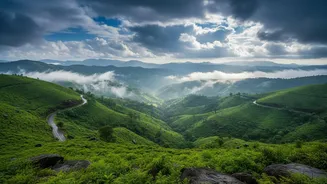
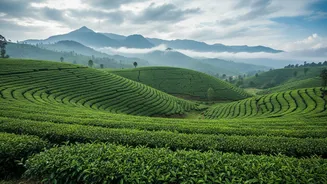
Not all destinations are created equal in the monsoon. While places like Coorg, Munnar, and Udaipur become exceptionally beautiful, some areas become high-risk. Avoid planning trips to regions with a known history of severe landslides or flooding during heavy rainfall alerts. Conversely, some areas are perfect for August travel precisely because they receive little to no rain. The Himalayan rain-shadow regions of Ladakh and Spiti Valley are prime examples, offering clear skies and stunning landscapes when most of the country is wet. If you're set on a rainy experience, stick to well-established hill stations where infrastructure is more reliable.