






The Slow Fading of the Center Aisle
The traditional growth model for the world's biggest food companies was built on a simple premise: create a product with a long shelf life, package it in a convenient box, bag, or pouch, and secure its place in the pantry through mass marketing. For generations,
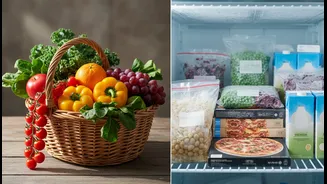
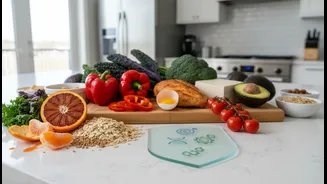
this worked. But a fundamental shift is underway. Consumers are increasingly viewing the centre of the supermarket with suspicion. This is no longer just about a niche group of health enthusiasts; mainstream shoppers are actively seeking to reduce their intake of ultra-processed foods. A growing distrust in long, unpronounceable ingredient lists and a desire for foods perceived as more 'real' and 'clean' are driving shoppers towards the perimeter of the store, where fresh produce, meats, and dairy reside. This trend represents a slow-burning crisis for brands that have built their empires on the very products now falling out of favour. The old playbook of blockbuster marketing is proving less effective as consumers prioritize transparency and demonstrable health benefits over brand familiarity.
Beyond Just Sustainable Packaging
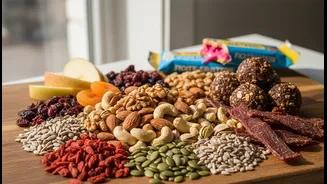
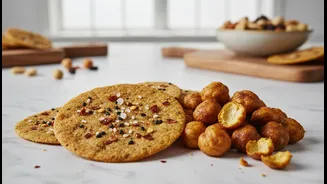
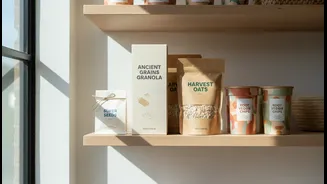
When pressure mounts, the first instinct for many food brands has been to focus on the container. We’ve seen a wave of packaging innovations, from recyclable paper-based bags to pouches made from less plastic. While these sustainability efforts are commendable and necessary, they often serve as a convenient distraction from a more difficult truth: for many consumers, the problem isn't just the package, it's the product inside. Consumers have become more aware of the health risks associated with sugar, artificial additives, and heavily processed foods. Simply putting a 'healthier' spin on a legacy product—like adding a 'whole grain' banner to a sugary cereal or reducing the sodium in a powdered soup mix—is a short-term tactic. The real opportunity lies in a wholesale reformulation of the staples themselves. The demand is for fundamentally different products: pasta made from legumes, sauces with no added sugar, and snacks with simple, recognizable ingredients.
The Rise of the Challenger Brand
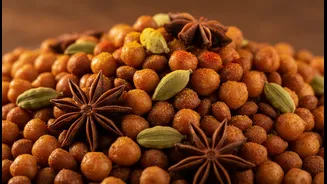
This market shift has created a massive opening for a new wave of challenger brands. Unburdened by the legacy of mass production and billion-dollar infrastructure geared towards old recipes, these smaller, agile companies are redefining what a pantry staple can be. We're seeing brands build loyal followings around single-origin spices, ethically sourced tinned fish, and authentically crafted global sauces that turn a simple meal into an experience. These companies are not just selling a product; they are selling a story, transparency, and a connection to the source. They are showing consumers that everyday items don't have to be bland or full of fillers. From tahini being marketed as a versatile sweet and savoury ingredient to whole-seed mustards positioned as a marinade or dip, these innovators are expanding how we use familiar products, capturing market share in the process.
The Path Forward: Reformulation and Reinvention
For large Consumer Packaged Goods (CPG) companies, the choice is becoming stark: innovate or risk becoming irrelevant. The path forward isn't about tweaking at the margins; it’s about fundamental reinvention. This means investing in reformulation to create cleaner ingredient labels and more nutritious profiles. It involves rethinking supply chains to accommodate fresher ingredients and exploring new formats that bridge the gap between processed and fresh. We're already seeing some legacy players respond. Barilla, for instance, has found success with its line of pasta made from single ingredients like chickpeas or red lentils, directly catering to gluten-free and high-protein trends. This isn't just a defensive move; it's smart business. These premium, value-added products often command higher prices and build a different kind of brand loyalty, one based on trust and shared values.