





The Allure and the Reality
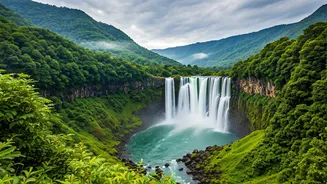
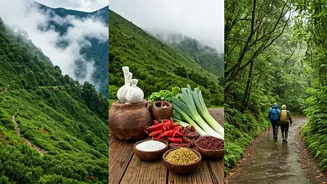
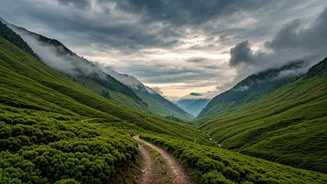
There's a reason we're drawn to travelling during the rains. The tourist crowds thin out, hotel prices often dip, and nature puts on its most dramatic show. Places like the Western Ghats or the backwaters of Kerala transform into verdant wonderlands.
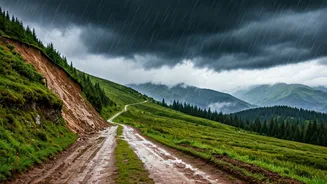
However, this beauty comes with a practical price. Overconfidence—the belief that your perfectly planned itinerary will go off without a hitch—is the fastest way to a miserable trip. The monsoon doesn't care about your booking confirmations. It brings with it the potential for delayed flights, blocked roads due to landslides, soggy hotel rooms, and cancelled sightseeing tours. The key to a successful rainy season trip isn't to have a rigid plan; it's to have a series of flexible options.
Build a Flexible Itinerary
Instead of a minute-by-minute schedule, think in terms of possibilities. Your itinerary should be a gentle suggestion, not a strict command. If you're staying somewhere for three days, identify five or six potential activities, including indoor ones. This way, if a torrential downpour makes that scenic trek impossible, you can pivot to exploring a local museum, enjoying a spa day at the resort, or finding the best local café to watch the rain from. Keep your travel days light. Avoid planning a long drive and a major activity on the same day. Build buffer time into your schedule to account for slower-than-expected travel on wet roads. This mindset shift from 'must-do' to 'could-do' is the single most important adjustment for happy monsoon travel.
Choose Your Destination Wisely
Not all destinations are created equal in the monsoon. While the hills are breathtakingly beautiful, they also carry the highest risk of landslides and road closures, particularly in regions like Himachal Pradesh and Uttarakhand. Instead, consider destinations that thrive in the rain. Goa, for instance, sheds its party skin and reveals a quiet, green, and incredibly romantic side. The backwaters of Kerala are serene and full. The plateaus of Maharashtra, like Kaas, bloom into a carpet of flowers. Well-established resorts in places like Lonavala or Coorg are often designed for the monsoon, offering cosy rooms with great views and plenty of indoor amenities. Research your destination's specific monsoon challenges before you book. A little homework can save you from being stranded.
The Art of Smart Packing
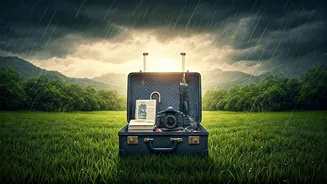
Packing for the monsoon is about more than just throwing in an umbrella. Your packing list should prioritise practicality and quick recovery from dampness. Opt for clothes made from synthetic, quick-drying fabrics like polyester or nylon; cotton and denim will take forever to dry and feel heavy when wet. Footwear is crucial: leave the leather shoes and suede sneakers at home. Instead, pack waterproof sandals or rubber floaters. A waterproof backpack or a rain cover for your bag is essential to protect your belongings, especially electronics. Speaking of which, carry your gadgets in zip-lock or waterproof pouches. A powerful power bank is a must, as power cuts can be more frequent. Finally, include a small first-aid kit with basics for cuts, insect bites, and any stomach ailments.
Travel with Patience and Caution
Once you're on your trip, safety and patience should be your guiding principles. If you're driving, stick to main roads and highways where possible. Avoid travelling at night, especially in hilly or remote areas where visibility is poor and road conditions can be unpredictable. Check weather forecasts and local news for any warnings about heavy rainfall or flooding. Always inform your hotel or a local contact about your day's plans, especially if you're heading out for a trek. Most importantly, be patient. Delays will happen. Roads might be slow. Your favourite viewpoint might be engulfed in fog. Embrace it as part of the experience. The goal is not to conquer the monsoon, but to dance with it.