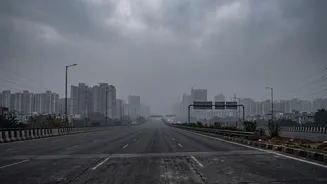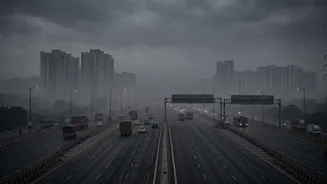






What is GRAP?
Think of the Graded Response Action Plan (GRAP) as a rulebook designed to fight air pollution before it gets out of control. It's not a single law but a series of measures that get progressively stricter as the air quality worsens. The Commission for Air
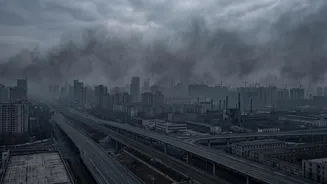
Quality Management (CAQM) implements this plan across Delhi and its neighbouring areas. The system is divided into four stages, triggered by the Air Quality Index (AQI). Stage 1 is the 'Poor' category, which is the first line of defense. On October 21, 2026, the CAQM invoked Stage 1 after Delhi's AQI jumped from 'Moderate' (179) to 'Poor' (244) in just one day.
The Key Stage 1 Restrictions
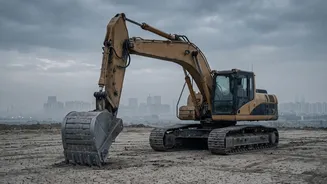
Stage 1 focuses on curbing some of the most common sources of pollution. A major rule is the strict enforcement of dust control measures at all construction and demolition sites. This includes covering debris and sprinkling water to prevent dust from flying into the air. Another significant measure is a complete ban on open burning of garbage and biomass. Restaurants and roadside eateries are also prohibited from using coal or firewood in their tandoors; they must switch to cleaner fuels like gas or electricity. There are also restrictions on which vehicles can enter the city, with a focus on barring older, more polluting buses from other states unless they run on CNG, electricity, or clean BS-VI diesel.
How These Rules Fight Smog
So, how does stopping a tandoor or sprinkling water on a construction site actually help? It's all about targeting particulate matter, specifically PM2.5 and PM10, which are the tiny, harmful particles that make up smog. Construction dust is a massive contributor to PM10 levels. By enforcing dust control, GRAP aims to stop these particles at the source. Similarly, burning waste, wood, and coal releases huge amounts of PM2.5, which can lodge deep in the lungs and cause severe respiratory issues. By banning these activities, Stage 1 directly cuts down on the volume of new pollutants entering the atmosphere. Mechanised road sweeping and water sprinkling also play a crucial role by preventing settled dust from being kicked back up into the air by traffic.
Targeting Vehicular Pollution
Vehicles are another primary source of smog. While Stage 1 doesn't implement drastic measures like the odd-even scheme, it tightens existing rules. This includes a strict crackdown on vehicles without a valid Pollution Under Control (PUCC) certificate, with some directives suggesting a 'No PUC, No Fuel' policy at petrol pumps. Restrictions on older, polluting buses from neighbouring states also aim to reduce the daily load of emissions entering the capital. These measures are designed to weed out the most polluting vehicles from the road, thereby reducing overall exhaust fumes that contribute heavily to the city's AQI.
What Residents Can Do
While government agencies enforce GRAP, public cooperation is vital. The CAQM urges citizens to follow the rules and contribute to the effort. This includes simple but effective actions like ensuring your own vehicles have a valid PUC certificate and refraining from burning leaves or trash in the open. Residents can also report violations, such as illegal construction or open waste burning, to municipal authorities, often through dedicated apps like Green Delhi. Opting for public transport, carpooling, and minimising unnecessary trips can also make a collective difference. Protecting vulnerable family members, like children and the elderly, by limiting their exposure during high-pollution days is also critical.