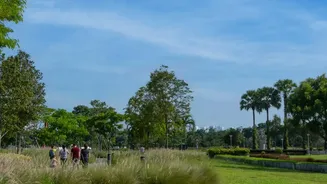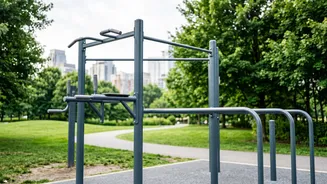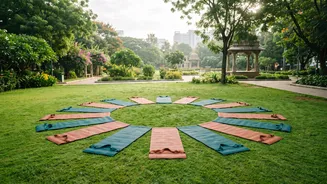







A quiet revolution is taking place in the parks of India’s bustling metros. Beyond the usual walking tracks and green benches, a new feature has emerged: the open-air gym. This movement is reshaping public spaces and democratising fitness for all.
The Rise of the Open-Air Gym
Across
cities like Delhi, Mumbai, and Bengaluru, municipal corporations have been installing outdoor fitness equipment in local parks. This includes durable, weather-resistant machines like air walkers, leg presses, chest presses, and sit-up benches that allow for a full-body workout without the need for electricity. Often funded through local area development funds from MPs and MLAs, these facilities have become increasingly common since the trend first gained traction in New Delhi around 2012. The goal is simple: to provide free, accessible fitness infrastructure to the public, turning neighbourhood parks into holistic wellness hubs.
Breaking Down Financial Barriers
For a large segment of the population, the high cost of private gym memberships is a significant barrier to regular exercise. With affordability being a primary reason many do not join a fitness facility, these free-to-use public gyms are a game-changer. They offer an alternative for those who cannot afford monthly fees, making fitness a possibility for people from all socioeconomic backgrounds. Homemakers, senior citizens, and young people alike can be seen using the equipment, creating a diverse and inclusive fitness environment that was previously unavailable to many. This approach directly addresses the need for affordable fitness models that can reach a wider population.
More Than Just a Workout
These outdoor gyms do more than just improve physical health; they foster community and social connection. Parks have transformed into lively social hubs where neighbours meet, exercise together, and motivate one another. For many senior citizens, who previously may have only used parks for walking, the gyms offer a new way to stay active and combat loneliness. The presence of greenery and fresh air also provides mental health benefits, reducing stress and improving mood in a way that enclosed, air-conditioned gyms cannot. This social dimension is a key benefit, turning a solitary activity into a shared community experience.
The Challenge of Maintenance and Safety
Despite their popularity, the open_air gym initiative faces significant challenges, chief among them being maintenance. Across several cities, residents report that equipment often falls into disrepair, with issues like rusting, broken parts, and general neglect rendering them unusable. Vandalism and theft of equipment parts are also recurring problems. Another major concern raised by healthcare providers is the risk of injury due to the unsupervised use of the machines. Without proper guidance on correct form and usage, individuals, especially the elderly, could inadvertently harm themselves. Calls for regular maintenance schedules and the presence of trainers have been consistent suggestions for improvement.
A Blueprint for a Healthier India?
Even with the existing hurdles, the open_air gym model presents a viable and scalable option for promoting public health. With physical inactivity being a significant concern in India, these community_level interventions are a crucial step towards building a more active society. To ensure their long_term success, municipal bodies are exploring new strategies, such as appointing private companies for annual maintenance contracts and setting aside dedicated budgets for repairs and replacements. By addressing the issues of upkeep and user education, these public facilities can serve as a powerful blueprint for preventive healthcare, making Indian cities healthier, one park at a time.