


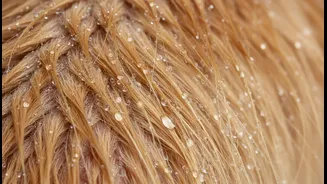


The Hidden Dangers of Damp Paws
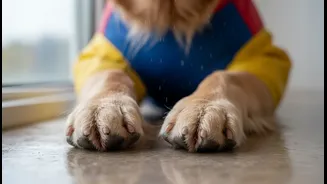
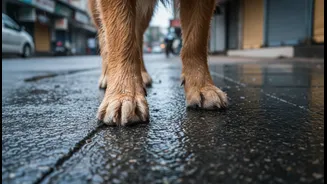
A dog's paws are resilient, but they are not invincible. The spaces between their paw pads are warm and can trap moisture, creating the perfect breeding ground for microscopic organisms. When paws remain damp for extended periods—whether from rain, puddles,
or even just wet grass—this environment allows naturally occurring fungi, like yeast (Malassezia), to multiply out of control. This overgrowth can lead to conditions like yeast dermatitis, characterized by itching, redness, a distinct odor, and inflammation. Constant licking or chewing, a common sign of irritation, can further damage the skin and introduce secondary bacterial infections, complicating the issue.
Understanding Fungal Infection Vectors
Fungal infections don't just appear out of nowhere. The term 'vector' typically refers to an organism that transmits disease, but in this context, it's the environmental conditions that facilitate the infection. Moisture is the key vector. Fungi thrive in warm, damp, dark places. The anatomy of a dog's paw, with its crevices and fur between the toes, provides this ideal habitat once it gets wet. Beyond naturally occurring yeast, paws can also pick up other fungal spores from the environment, like those that cause ringworm. Wet paws are also more susceptible to irritation from allergens, chemicals like pesticides, and road salts, which can compromise the skin's natural barrier and make it easier for an infection to take hold.
The First Line of Defense: A Physical Barrier
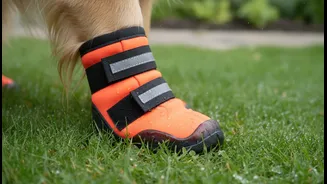
Preventing fungal infections is far easier than treating them. The most effective strategy is to keep the paws consistently clean and, most importantly, dry. This is where protective waterproof dog booties come into play. Acting as a physical barrier, these boots prevent water, mud, slush, and other moisture from ever reaching the paw pads and fur. By ensuring the paws stay dry during a walk, booties directly eliminate the primary condition that fungal vectors require to flourish. This simple preventative measure can significantly reduce the risk of your dog developing painful and persistent paw infections. Veterinarians often recommend booties for this exact reason, as well as for protecting paws from other environmental hazards.
More Than Just Fungus Prevention
While preventing fungal growth is a major benefit, the advantages of waterproof booties extend much further. They provide all-season, all-terrain protection. In the summer, they shield sensitive paw pads from scorching hot pavement that can cause serious burns. In winter, they offer a crucial barrier against freezing temperatures, ice, and harsh de-icing chemicals that can cause chemical burns and severe irritation. For adventurous dogs, booties protect paws from sharp rocks, thorns, and other debris on hiking trails. They can also be used to keep wounds or bandages clean and dry during recovery from an injury.
Choosing the Right Protective Gear
Not all booties are created equal. To effectively prevent moisture, it's crucial to select a pair that is genuinely waterproof, often made from materials like silicone, rubber, or coated nylon. The fit is equally important; a boot that is too loose will slip off or allow water to get inside, while one that is too tight can be uncomfortable and restrict circulation. Look for features like adjustable straps to ensure a snug fit. Good traction is also essential to prevent slips and falls, especially on wet or icy surfaces. While rubber boots are excellent for waterproofing, some are not very breathable, so they should be used for walks and removed once indoors to allow paws to air out, as dogs sweat through their paw pads.