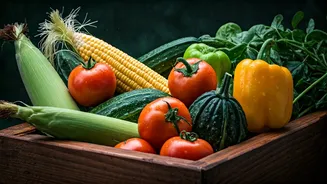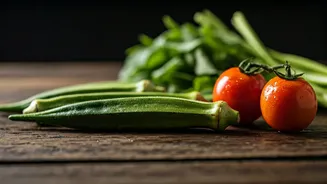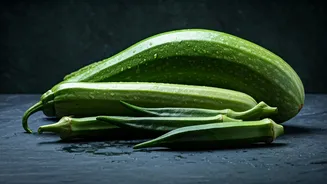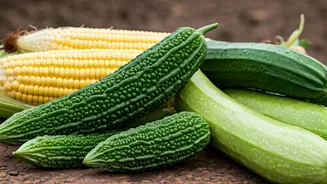




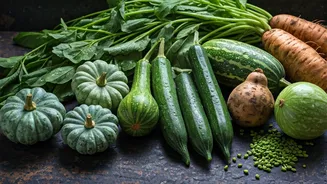


Bottle Gourd (Lauki)
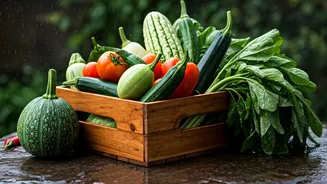
Lauki is a quintessential monsoon vegetable for good reason. It grows on creepers, keeping it safely away from waterlogged and potentially contaminated soil. Renowned in Ayurveda for its cooling properties, it's incredibly light on the digestive system,
which tends to be sluggish during the humid months. Its high water content helps keep you hydrated, while its fibre aids digestion. When shopping, look for a lauki that is pale green, firm to the touch, and free of any soft spots or blemishes. A smooth, unblemished surface indicates freshness. It's incredibly versatile; you can make a simple, comforting sabzi with minimal spices, grate it to make koftas, or even add it to dal for a nutritious boost.
Bitter Gourd (Karela)
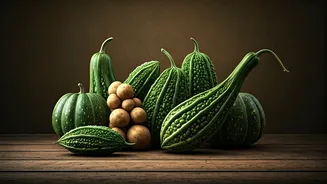
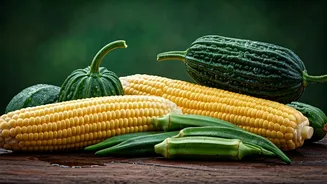
While its bitter taste can be divisive, karela is a powerhouse of nutrients that is particularly beneficial during the monsoon. It's packed with Vitamin C and powerful antioxidants that help bolster the immune system, fighting off common seasonal infections. Traditional wisdom also values it for its blood-purifying properties. When you're at the market, choose karelas that are dark green, firm, and have crisp, pointy ridges. Avoid any that look pale or have yellow or orange patches, as they are likely overripe. To reduce its bitterness, you can scrape the skin, remove the seeds, and salt it for about 30 minutes before cooking. Try it in a classic stuffed preparation or slice it thin and fry it until crisp for a surprisingly addictive side dish.
Pointed Gourd (Parwal)
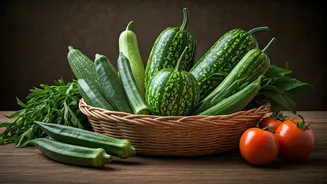
Often overlooked, parwal is another monsoon star that deserves a spot in your shopping basket. Like other gourds, it grows on vines, making it a safer bet during the rainy season. It is rich in vitamins A and C, antioxidants, and fibre, contributing to good digestion and overall immunity. It's also low in calories and easy to digest, making it an excellent choice for a light monsoon diet. Look for smaller, firm, and bright green parwals. They should be free from any yellowing or soft spots. This humble vegetable shines in a variety of dishes, from simple stir-fries and rich, tangy curries (like the Bengali classic Potoler Dolma) to being simply fried with a sprinkle of salt and turmeric.
Ridge Gourd (Tori/Turai)
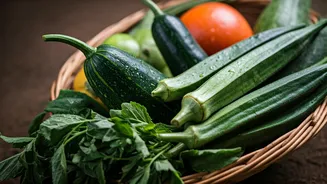
Tori, or ridge gourd, is another excellent vegetable to embrace during the monsoon. Its high water content and cooling nature make it ideal for the humid weather. It is a great source of dietary fibre, which helps prevent constipation and keeps the digestive system running smoothly. Furthermore, it contains peptides that are believed to have a positive effect on regulating blood sugar. When selecting tori, opt for ones that are slender, dark green, and feel firm. The ridges should be prominent and not withered. Avoid any that are overly large or feel soft, as they can be fibrous and bitter. It cooks quickly and absorbs flavours well, making it perfect for a quick sabzi, a comforting addition to moong dal, or even a flavourful chutney made from its peels.
Indian Squash (Tinda)
Tinda, also known as apple gourd, is a small, round green vegetable that is highly favoured during the monsoon. Its mild, delicate flavour and tender texture make it a favourite in many North Indian households. Being over 90% water, it’s extremely hydrating and very gentle on the stomach. It's also a good source of antioxidants. Fresh tinda should be smooth, bright green, and feel heavy for its size. Look for smaller ones, as they are more tender and have fewer seeds. Gently press the skin; it should be soft enough to be pricked by a fingernail. Tinda can be cooked into a simple everyday sabzi with tomatoes and spices, stuffed with a masala mix, or added to lentil dishes for extra substance and nutrition.
Corn (Bhutta)
Is it even monsoon without the familiar sight and smell of roasted bhutta? Beyond being the season’s most iconic snack, corn is a healthy and filling choice. It is a good source of fibre, which aids digestion, and is rich in antioxidants like lutein and zeaxanthin, which are beneficial for eye health. The experience of buying corn is part of the charm—look for cobs with bright green, tightly wrapped husks that feel slightly damp. Peel back a small section to check the kernels; they should be plump, milky, and tightly arranged in rows. The most beloved way to enjoy it is roasted over charcoal and slathered with lemon juice, salt, and chaat masala. You can also boil the kernels and use them in salads, soups, or homemade corn chaat.