





The Rise of the Fibre Fad
Suddenly, fibre is everywhere. On TikTok and Instagram, wellness influencers are “fibremaxxing”— a trend focused on intentionally increasing fibre intake through supplements, powders, and photogenic meals. Hashtags like #GutTok have billions of views,
with creators sharing everything from chia seed puddings to psyllium husk “internal showers.” This social media wave has rebranded dietary fibre, once a mundane topic, into an aspirational lifestyle goal linked to everything from weight management to glowing skin. However, experts caution that many of these viral trends can be misleading or even cause digestive distress if adopted too quickly without proper guidance.
Why Is Fibre Suddenly Famous?
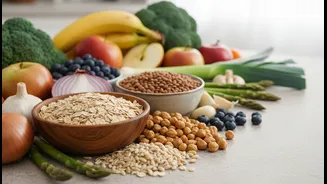
Beneath the social media hype lies solid science. Dietary fibre, a type of carbohydrate the body can't digest, is crucial for good health. It comes in two main forms: soluble and insoluble. Soluble fibre, found in oats, beans, and apples, dissolves in water to form a gel. This process helps slow digestion, which can stabilise blood sugar levels and lower cholesterol. Insoluble fibre, found in whole grains and vegetables, adds bulk to stool and helps food pass more smoothly through the digestive system, preventing constipation. A high-fibre diet is linked to a lower risk of heart disease, diabetes, and certain cancers, and it promotes a healthy gut microbiome by feeding beneficial bacteria.
The Wisdom in Your Own Kitchen
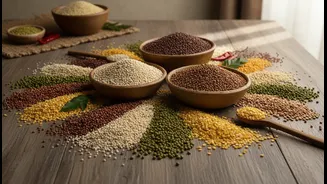
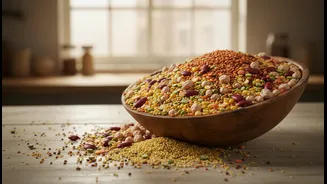
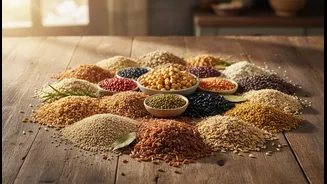
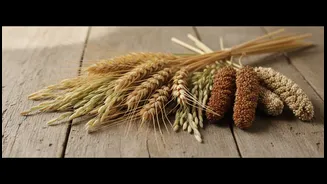
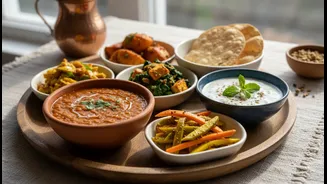
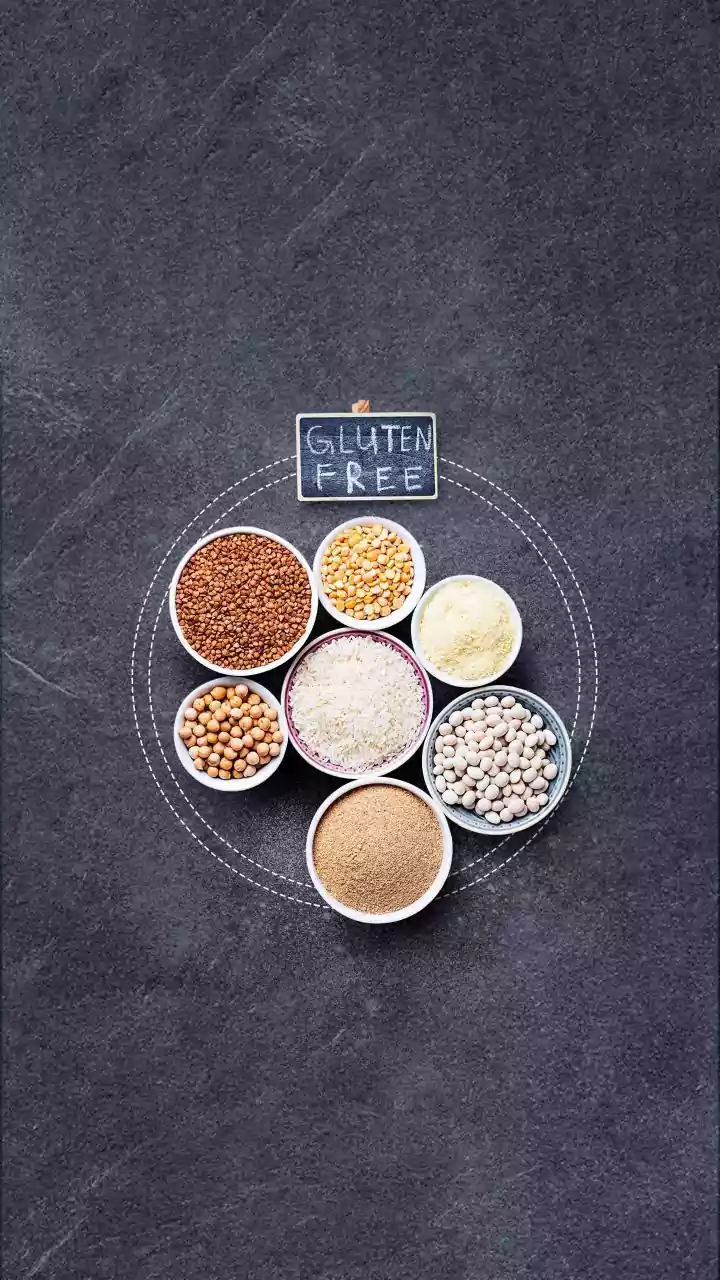
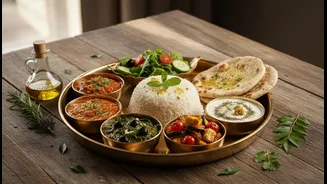
While the online wellness world presents fibre as a new discovery, traditional Indian cuisine has championed it for centuries. The very foundation of a typical Indian meal—dal, sabzi, and roti—is a masterclass in fibre. Legumes like rajma, chana, and masoor dal are powerhouses of both fibre and protein. A single cup of cooked rajma can provide around 11-15 grams of fibre, a significant portion of the daily recommended intake of 25-40 grams. Whole grains, the cornerstone of Indian breads and porridges, are also rich in this essential nutrient. Swapping refined flour (maida) for whole wheat atta or including millets like ragi and bajra is a simple, traditional way to boost fibre.
Beyond Dals and Rotis
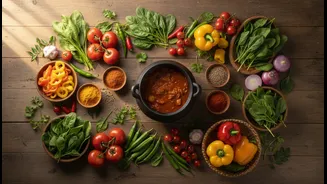
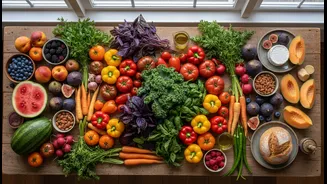
The fibre content in Indian food doesn't stop at the main course. Vegetables, which form the heart of countless sabzis and curries, are packed with it. Everyday vegetables like bhindi (okra), spinach, and bottle gourd (lauki) contribute significantly to daily fibre intake. Fruits like guava are exceptionally high in fibre. Even the spices integral to Indian cooking, along with fresh chutneys and salads served as accompaniments, add to the overall fibre content of a meal. This holistic approach ensures that a balanced traditional meal is naturally rich in the very nutrient that is now trending globally.
Making Fibre a Sustainable Habit
The key word in the headline is “sustainable.” Chasing trends that rely on expensive, often imported, powders and supplements is not a long-term strategy for most. The true path to sustainable health lies in consistency, affordability, and cultural familiarity. Relying on the Indian kitchen for fibre is sustainable because it uses accessible, local, and seasonal ingredients. It doesn't require a complete dietary overhaul but rather a mindful return to its roots. Instead of ordering a special “gut-friendly” concoction, a bowl of homemade dal, a side of leafy green sabzi, and a millet roti can deliver better, more balanced nutrition. This approach is not only gentler on the wallet but also on the digestive system, as these are foods our bodies are accustomed to.