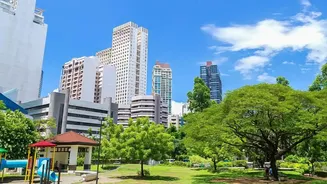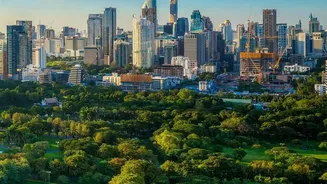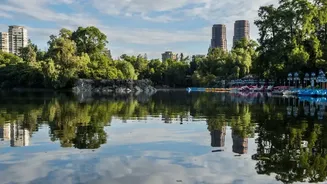





In the concrete landscape of our bustling cities, public parks serve as vital green oases. They are far more than just patches of grass; they are indispensable engines for public health, community connection, and personal well-being.
The City's Open-Air Gym
For many urban residents,
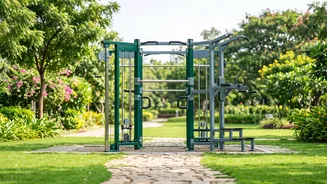
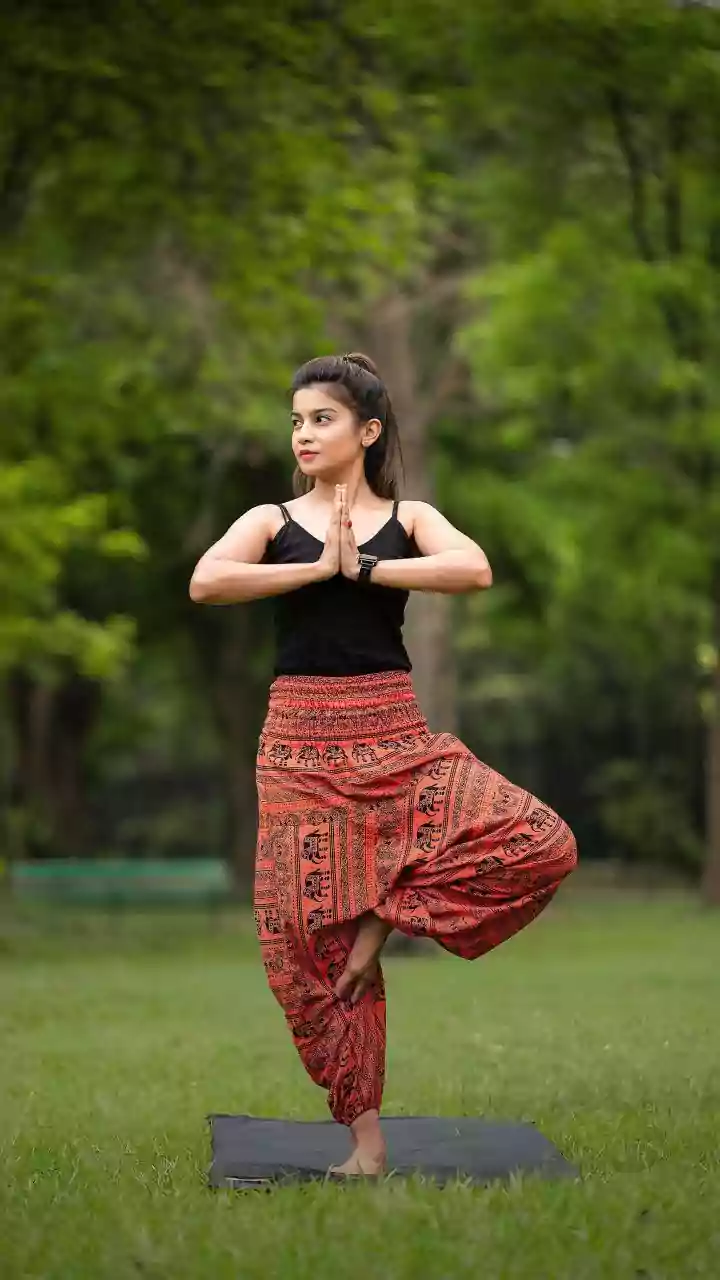
a park is the most accessible and affordable place to pursue fitness. Unlike expensive gyms, a public park offers a free, open-air environment for a wide array of physical activities. Morning walkers and joggers trace paths alongside groups practicing yoga, while children and adults alike use open fields for games like cricket and football. Research consistently shows that people who live closer to parks tend to be more physically active. These spaces provide safe areas away from busy streets for everything from a brisk walk to more vigorous exercise. By offering facilities like walking trails, outdoor exercise equipment, and sports courts, parks encourage active lifestyles across all age groups, helping to combat health issues linked to sedentary city living.
A Sanctuary for Mental Recharge
The benefits of parks extend deep into our mental and psychological well-being. In an age of digital overload and high-stress work environments, green spaces offer a crucial escape. Spending time in nature, even in a small urban park, is proven to reduce stress, lower levels of the stress hormone cortisol, and improve mood. These spaces provide a setting for 'passive recreation'—activities like reading a book on a bench, having a picnic, or simply watching the world go by—that are vital for mental recuperation. Studies have shown that access to nature can decrease rumination, the pattern of repetitive negative thoughts often associated with depression. Parks act as a quiet sanctuary where the mind can rest, recharge, and find a moment of peace amidst urban chaos.
Weaving the Social Fabric
Beyond individual health, parks are powerful catalysts for building stronger communities. They are one of the few remaining public spaces where people from all walks of life can gather and interact. These interactions, whether a simple smile exchanged between strangers or a conversation struck up on a bench, help reduce social isolation and build neighborhood trust. Parks serve as natural meeting points, hosting everything from weekend markets and cultural festivals to informal gatherings of friends and family. They function as a 'public square' where community bonds are forged, intergenerational connections are made, and a shared sense of identity is nurtured. In doing so, they strengthen the social cohesion that is fundamental to a resilient and vibrant city.
More Than Just Pretty Greenery
The essential nature of parks is also tied to their environmental role. As 'green lungs' for the city, they improve air quality, reduce noise pollution, and help mitigate the urban 'heat island' effect by providing shade and cooling the surrounding areas. They also play a crucial role in managing stormwater by absorbing rainwater, which reduces runoff and prevents flooding. This combination of health, social, and environmental benefits makes a well-maintained park system a form of critical infrastructure. Investing in parks is not a luxury; it is a direct investment in a city's livability, sustainability, and the overall quality of life for its residents.