


Why Your Gut Is More Vulnerable During Monsoon
The rainy season creates a perfect storm for digestive issues. According to health experts, the combination of high humidity and heat can slow down our digestive fire, or 'Agni' as it's known in Ayurveda. This sluggishness makes it harder for the body
to process food, leading to common complaints like bloating, gas, and indigestion. Furthermore, the damp environment is a breeding ground for harmful bacteria and viruses like E. coli and Salmonella. These pathogens can easily contaminate water sources and fresh produce, increasing the risk of gastrointestinal infections, diarrhoea, and food poisoning. This dual threat of a weakened internal system and heightened external risk makes it crucial to support our gut health during these months.
Probiotics: Your Gut's Protective Shield
This is where probiotics come in. Probiotics are live, beneficial bacteria that are essential for a healthy digestive system. Think of them as friendly soldiers that populate your gut, helping to maintain a healthy balance and crowd out the harmful microbes that can make you sick. A well-balanced gut microbiome is crucial for more than just digestion; it aids in nutrient absorption and plays a significant role in supporting your immune system, given that a large part of our immunity resides in the gut. During the monsoon, when your system is under constant attack from pathogens, a thriving population of good bacteria acts as a protective shield, making your gut more resilient to infections.
The Magic of Fermentation
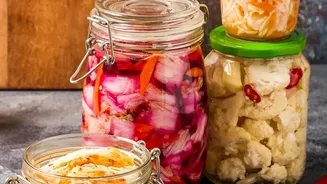
So, how do we get more of these helpful probiotics? One of the most natural and time-tested methods is through fermentation. This ancient technique, used for centuries in Indian kitchens, involves allowing microorganisms to break down the components in food. This process not only preserves the food but also enriches it with beneficial bacteria, primarily from the Lactobacillus family. Traditional, homemade fermented foods are living ecosystems of these microbes. Crucially, the fermentation process also pre-digests the food, making it easier for our already sluggish monsoon metabolism to break down and absorb nutrients. This makes fermented condiments a particularly intelligent choice for the season.
Traditional Probiotic Condiments for Your Plate
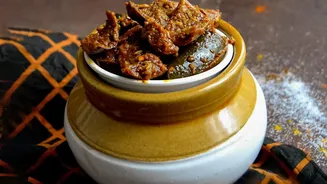
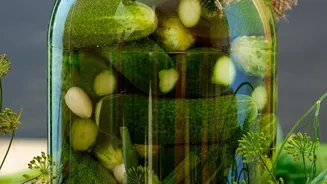
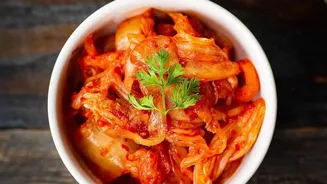
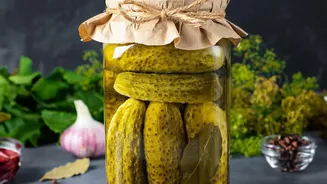
Indian cuisine is rich with naturally fermented condiments that can be easily incorporated into your daily meals. The key is to opt for traditionally prepared, unpasteurised versions, as heat and industrial processing can destroy the live cultures. One of the most common is traditional Achaar (pickle). When made through natural fermentation with salt and sun, rather than with vinegar, pickles made from mango, lemon, or mixed vegetables become a potent source of probiotics. Another excellent choice is Kanji, a tangy North Indian fermented drink made from black carrots or beetroot and mustard seeds. It's a powerful digestive aid. Finally, simple homemade Dahi (curd) and Chaas (buttermilk) remain stellar, accessible sources of probiotics that cool the system and support gut balance.
How to Incorporate Them Smartly
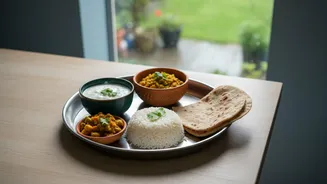
Adding these probiotic powerhouses to your diet is simple. A small spoonful of homemade achar with your dal-chawal or khichdi can stimulate digestive enzymes. A glass of lightly spiced chaas after lunch is a classic remedy for bloating and heaviness. You can also use yogurt to make simple raitas with cooked vegetables like cucumber or bottle gourd. Remember, moderation is key. These condiments, especially pickles, are often high in salt, so a small serving is all you need to reap the benefits without overdoing it. Avoid commercially produced pickles that use vinegar and preservatives, as these often lack the live bacteria that make them so beneficial. By turning to these traditional foods, you're not just adding flavour; you're using generations of wisdom to keep yourself healthy.