





The Allure of the Post-Rain Road
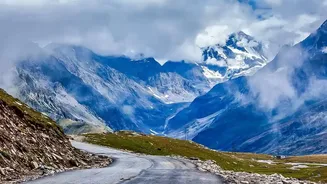
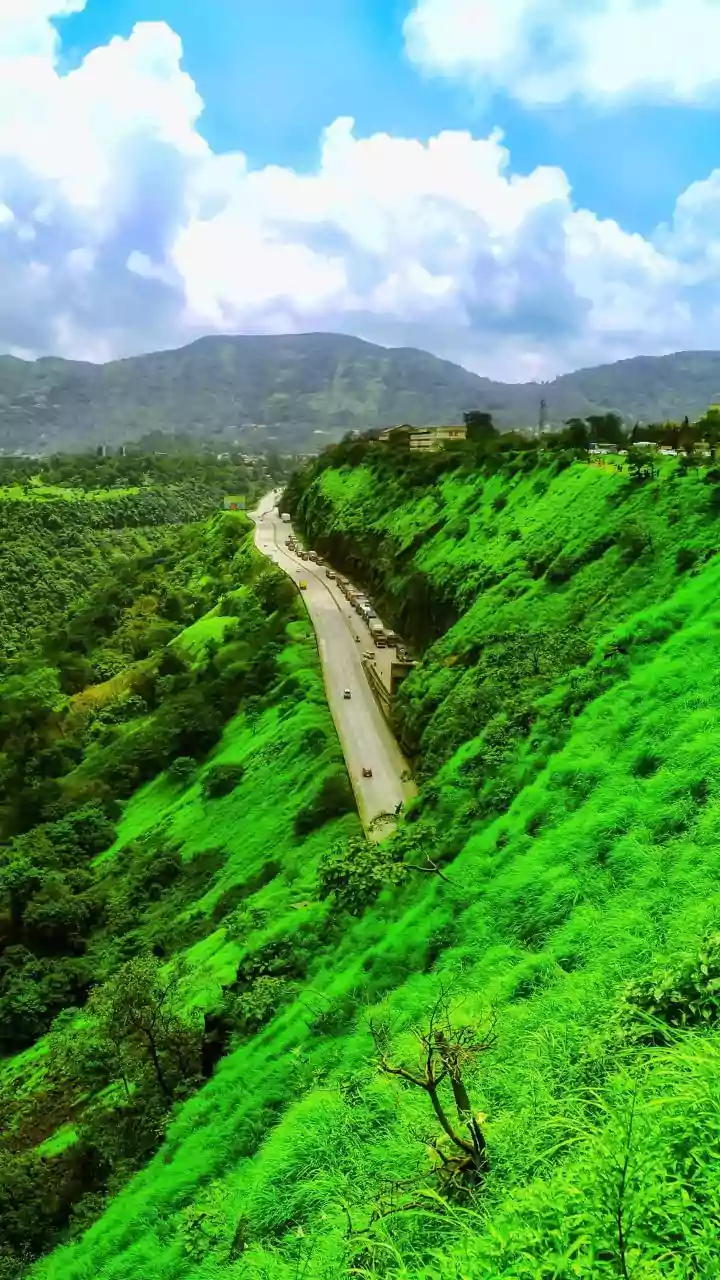
From September to November, India's landscapes are at their most vibrant. The dust has settled, and months of rain have rejuvenated forests and fields, making it an irresistible time for road travel. Routes through the Western Ghats, the hills of the Northeast,
or the plains of central India offer stunning vistas. Popular journeys like the coastal drive from Chennai to Puducherry or drives through the hills of Coorg and Manali become particularly scenic. This period offers a perfect balance—pleasant temperatures without the intense summer heat or the heavy, continuous downpours of the peak monsoon, making it seem like the ideal window for exploration. However, this perception of perfect safety can be misleading.
The Myth of the 'All-Clear' Signal
While the southwest monsoon officially withdraws, the atmosphere remains volatile. The post-monsoon season, particularly from October to December, is characterized by unpredictable weather patterns. This includes the northeast monsoon, which brings significant rainfall to southern peninsular India, and the development of tropical cyclones, especially along the east coast. Furthermore, even as the broader monsoon system retreats, localized heavy showers and thunderstorms can be triggered by shifting atmospheric conditions. The India Meteorological Department (IMD) often issues warnings for heavy rainfall in various regions even after the main monsoon has passed, highlighting that the danger is far from over.
Lingering Danger: Landslides and Saturated Slopes
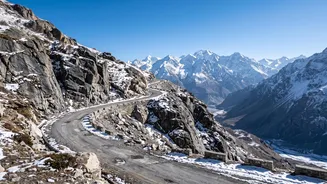
One of the most significant post-monsoon threats, especially in hilly regions like the Himalayas and the Western Ghats, is landslides. Months of heavy rain leave the soil completely saturated. This means that even a short, intense burst of post-monsoon rain can be enough to destabilize a slope, leading to catastrophic mudslides and rockfalls. Nearly 13% of India's land area is prone to landslides, and these events are not confined to the peak rainy season. Roads can be blocked for days, cutting off communities and stranding travellers. A destabilized slope remains a high-risk zone for years, vulnerable to collapse from even moderate rainfall.
The Cyclone Factor: A Coastal and Inland Threat
The period from October to December is the primary season for tropical cyclones in the Bay of Bengal and the Arabian Sea. While coastal areas in states like Odisha, West Bengal, Andhra Pradesh, and Tamil Nadu are most at risk, the impact of these powerful storms can be felt far inland. Cyclones bring torrential rainfall and extremely strong winds, capable of causing widespread flooding, uprooting trees, and damaging infrastructure hundreds of kilometres from the coast. Planning a road trip along the east coast or even in adjacent states during this time without checking for cyclone alerts is extremely hazardous.
Your Pre-Trip Safety Checklist
Before you even turn the key, preparation is paramount. Start by checking your vehicle, paying close attention to tyres, brakes, wipers, and all lights. Good tyre tread is crucial for grip on unexpectedly wet roads. Most importantly, consult reliable weather sources. The India Meteorological Department (IMD) website is the official source for forecasts, warnings, and cyclone tracking. Check the 5-day forecast for your entire route, not just your destination. Look for warnings of heavy rainfall, thunderstorms, or cyclonic systems. Download offline maps, as mobile connectivity can be unreliable in remote or hilly areas.
On-the-Road Vigilance
Once your trip is underway, stay alert. Check weather updates daily. Talk to locals at tea stalls or guest houses about road conditions ahead; they often have the most current information. Be wary of driving through waterlogged streets, which can hide deep potholes or damage your car's engine. On hill roads, watch for warning signs like muddy water flowing across the road or small rockfalls, which can be precursors to a larger landslide. Always have a backup plan. Be prepared to change your route or wait out a period of bad weather. Driving in daylight is always safer, especially in unfamiliar or hilly terrain.