




A Season of Rebirth and Opportunity
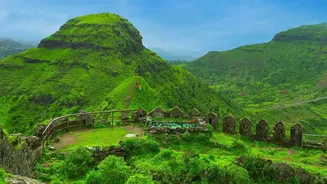
The period from late September through November is often considered one of the best-kept secrets for travel in India. The air is fresh, the rivers are full, and the dense, vibrant foliage makes for stunning scenery. This is the time when many national
parks, closed for the monsoon, reopen their gates to fewer crowds. The replenished waterholes mean wildlife is more active and easier to spot, while the mountain roads, flanked by cascading waterfalls, become destinations in themselves. It’s a unique intersection of pleasant weather, breathtaking landscapes, and thriving fauna.
Jim Corbett National Park, Uttarakhand
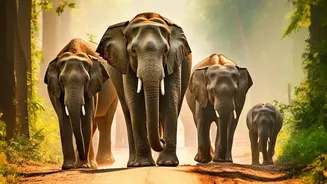
Asia's first national park becomes particularly enchanting after the rains. While core zones like Dhikala and Bijrani typically reopen from mid-October or November, buffer zones such as Jhirna and Dhela remain accessible year-round, offering a glimpse into the revived forest. The post-monsoon period reveals a landscape where the Ramganga River flows with renewed vigour, the forests are a vivid green, and the crisp mountain air is invigorating. Birdwatching is exceptional during this time, with over 600 species recorded, and sightings of elephants, spotted deer, and even gharials are common along the riverbanks.
Periyar National Park, Kerala
Unlike many of its counterparts, Periyar National Park in Kerala remains open year-round, and the post-monsoon season is when it truly shines. The sanctuary transforms into an emerald paradise, with its dense forests and hills shrouded in mist. The famed Periyar Lake is the centerpiece, and boat safaris—a must-do activity—offer fantastic opportunities to see herds of elephants and sambar deer at the water's edge. The landscape is alive with blooming orchids and a rich variety of birds and butterflies, making it a haven for nature photographers.
Kaziranga National Park, Assam
Home to two-thirds of the world's great one-horned rhinoceroses, Kaziranga reopens as the floodwaters of the Brahmaputra River recede, typically in October or November. The park's vast grasslands and wetlands are exceptionally lush and scenic during this period, offering stunning views at sunrise and sunset. This is an ideal time to spot the 'Big Five' of Kaziranga: the one-horned rhino, Bengal tiger, Asian elephant, wild water buffalo, and swamp deer. The replenished water bodies attract a wide variety of waterfowl, adding to the park's vibrant ecosystem.
Scenic Drive: The Western Ghats in Kerala and Karnataka
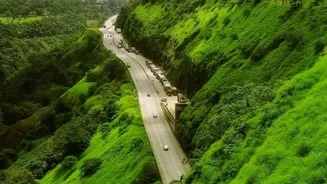
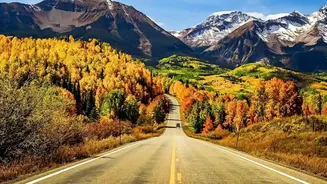
The post-monsoon season is arguably the best time for a road trip through the Western Ghats. Routes like the one from Kochi to Munnar in Kerala are particularly spectacular. The drive takes you through winding roads lined with rain-washed tea plantations, with numerous waterfalls like Cheeyappara and Valara in full flow. Similarly, the journey from Bangalore to Coorg in Karnataka offers misty landscapes and views of verdant coffee estates, earning it the nickname 'Scotland of India'. The roads are less crowded, the air is cool, and every turn reveals another picture-perfect view of the rejuvenated hills.