





From Accent Wall to Life Story
For years, the go-to method for injecting personality into a room was the accent wall. Whether painted in a bold colour or covered in a meticulously arranged gallery of photos and prints, it was a statement piece designed to draw the eye. But a quieter,
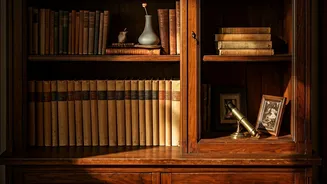
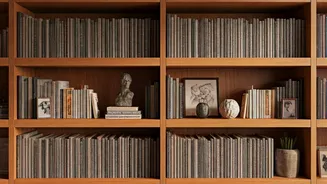
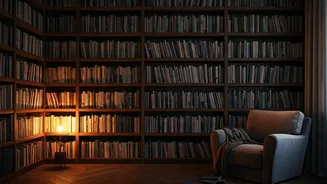
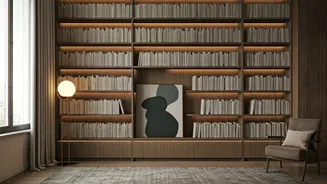
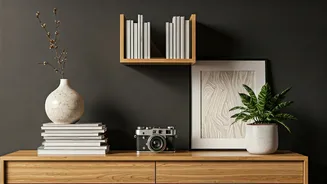
more narrative-driven trend has taken its place. Enter the curated shelf. Instead of a single, two-dimensional surface, homeowners are now using bookshelves, floating ledges, and open cabinetry as mini-museums of the self. This isn’t about efficient storage; it's about intentional display. The shelf has evolved from a utility item into a canvas for autobiography, where every object has a role to play in a larger story about who lives there.
The Social Power of the 'Shelfie'
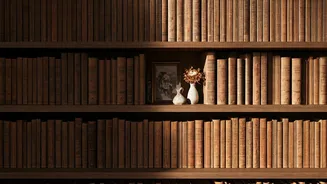
A huge catalyst for this shift is, unsurprisingly, social media. The rise of the 'shelfie'—a self-portrait of your bookshelf—transformed our personal libraries into backdrops for our digital lives. During the pandemic, as video calls became the norm, the space behind us on screen became a new frontier for self-expression. A thoughtfully arranged bookshelf communicated intellect, taste, and personality without a word being spoken. This public-facing pressure encouraged people to think about their shelves not just as places to store books they’ve read, but as a backdrop to project an identity. It’s a subtle form of personal branding that feels more authentic and less overt than a flashy logo or a carefully crafted bio.
The Art of the Curated Collection
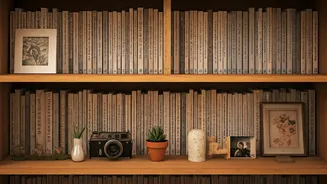
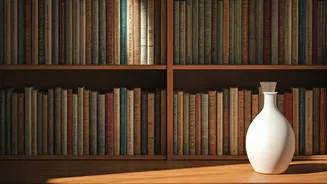
So, what populates these personality walls? It’s rarely just books lined up in perfect order. The modern curated shelf is a dynamic mix of objects. You’ll find novels artfully stacked next to a piece of pottery from a local artisan, a framed postcard from a memorable holiday, a small, thriving plant, and maybe a quirky object found at a flea market. This trend, sometimes called 'bookshelf wealth', isn’t about owning expensive first editions. It’s about displaying a collection that looks lived-in, loved, and accumulated over time. The books themselves are often part of the aesthetic—chosen for their beautiful spines or arranged by colour to create a visual effect. The overall goal is a composition that feels personal, textured, and deeply reflective of the owner’s tastes, travels, and history.
Why We're Craving Clutter
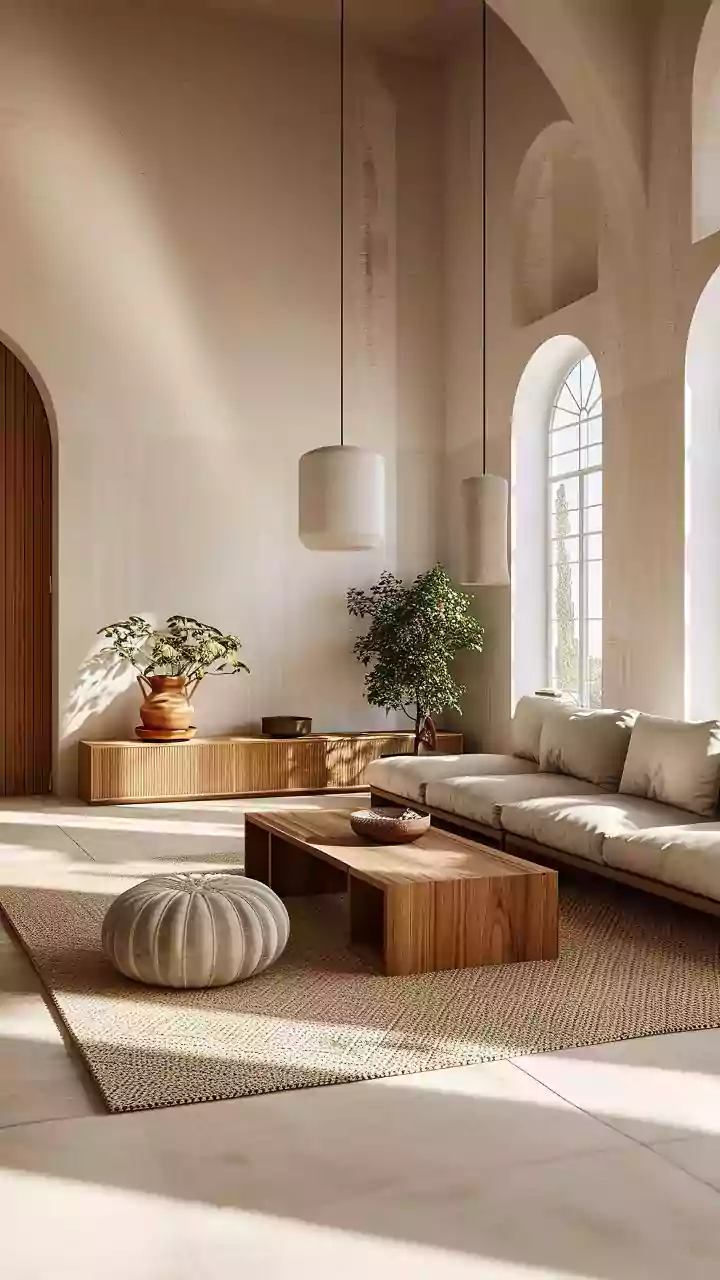
This move towards curated shelves also signals a psychological shift away from the stark minimalism that dominated interior design for the last decade. After years of being told to declutter and live with less, there's a growing desire for homes that feel warm, layered, and full of character. In a world that often feels fast-paced and disposable, surrounding ourselves with meaningful objects can be grounding. These items are tangible links to our past and our passions. A shelf full of personal mementos is a daily reminder of who we are, where we’ve been, and what we love. It’s a rebellion against generic, show-home perfection in favour of a more soulful, authentic, and admittedly messier, version of living.