




The Illusion of a Single Forecast
Checking a national weather forecast for a country as vast as India in September can be deeply misleading. While the southwest monsoon officially begins its gradual withdrawal around mid-September, this process is not uniform. For instance, one forecast might
show “rain,” but this could mean persistent heavy showers in Kolkata, while Rajasthan remains largely dry and sunny. In the same week, Goa and Kerala might still be experiencing the tail-end of the monsoon, while Tamil Nadu enjoys a brief dry spell before its own northeast monsoon arrives later in the year. Relying on a single, country-wide prediction is like trying to dress for a trip to both Shimla and Chennai with one outfit. It ignores the tremendous diversity of regional climate patterns that define the subcontinent.
Understanding the Power of Microclimates
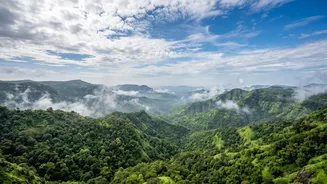
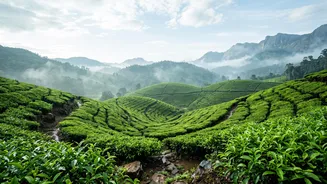
The secret to smarter travel planning lies in understanding microclimates. A microclimate is a local set of atmospheric conditions that differ from those in the surrounding areas. These variations can be created by mountains, coastlines, valleys, and even large green spaces within a city. Think of the Western Ghats: the windward side gets drenched during the monsoon, while the leeward side remains much drier in a “rain shadow.” A valley can trap cool air and fog, while a nearby ridge is windy and exposed. This is why the weather in Munnar's high-altitude tea gardens can be drastically different from the coastal climate of Kochi, just a few hours' drive away. Acknowledging these small-scale variations is the key to being genuinely prepared.
Your New Weather-Planning Toolkit
Instead of a 10-day national forecast, which is only about 50% accurate at that range anyway, build a more robust weather picture. Start by adding specific cities on your itinerary to a weather app to track trends. For a deeper dive, use websites with historical weather data, like Weather Underground, to see what conditions were like during the same week in previous years. Most importantly, look for local sources. Check the websites of the India Meteorological Department (IMD) for regional bulletins and warnings. Some tech-savvy travelers even use advanced tools like Windy.com to visualize wind and rain patterns, or check local webcams for real-time conditions.
Packing Strategy: Layers Are Your Best Friend
Once you accept that you might face sunshine, humidity, and a sudden downpour all in one trip, packing becomes a strategic exercise in layering. Forget bulky items; think versatile pieces. A lightweight, waterproof rain jacket is non-negotiable. It can be worn over a t-shirt in humid, rainy weather or layered over a fleece on a cool mountain evening. Quick-drying fabrics for trousers and shirts are essential, as cotton will stay damp and heavy. Pack a mix of short and long-sleeved tops. For footwear, waterproof shoes are a wise choice, but also bring a pair of comfortable sandals for dry, sunny days. This approach allows you to adapt to a cool, misty morning in a hill station and a warm, sunny afternoon in the plains without overpacking.
September Sweet Spots for the Weather-Savvy
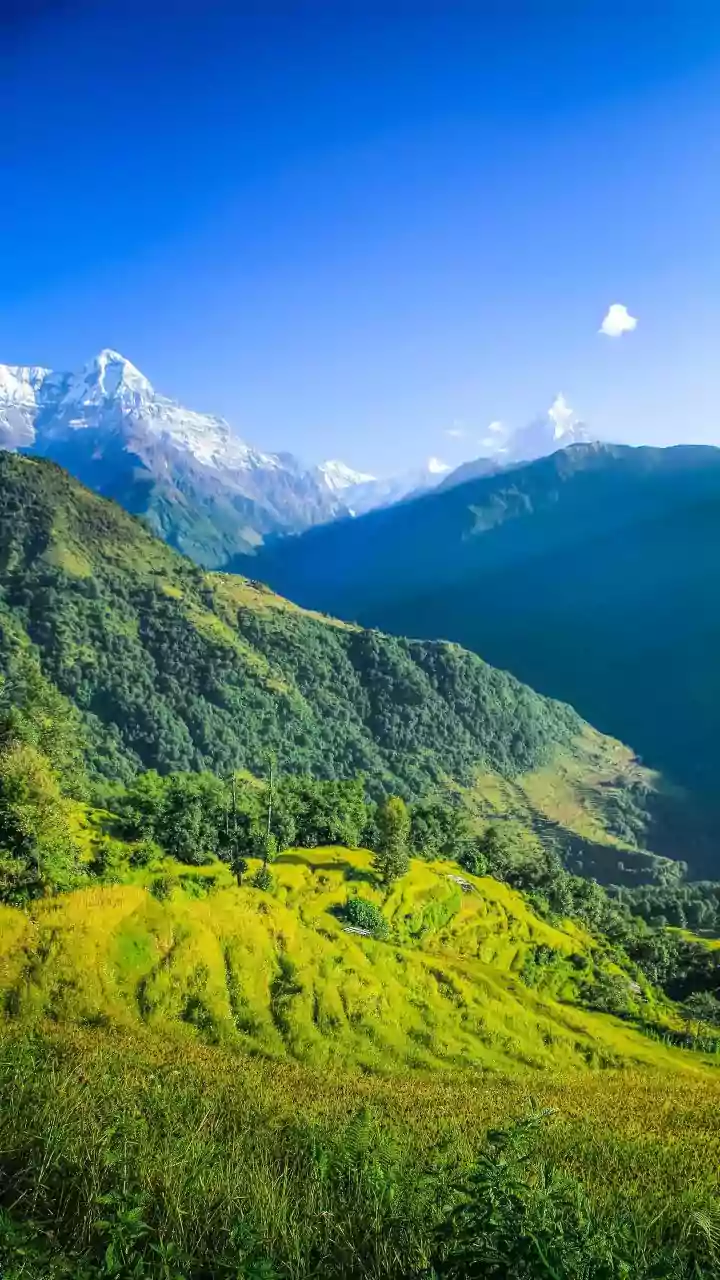
Knowing about local weather unlocks some of September's best destinations. With the monsoon receding, the skies over North India often clear up, making it a fantastic time to explore the Golden Triangle (Delhi, Agra, Jaipur) with fewer crowds and greener landscapes than in the peak season. In Rajasthan, the lakes are full and the countryside is vibrant. In the Himalayas, states like Himachal Pradesh begin to dry out, offering pleasant trekking conditions before the winter cold sets in. Down south, the post-monsoon freshness makes places like Wayanad and Coorg exceptionally beautiful, even with a chance of passing showers. These are not just destinations; they are opportunities where a little weather homework pays off in a big way.