




Beyond Garba and Dandiya
When you think of Sharad Navratri, the energetic whirl of Garba and the rhythmic click of Dandiya sticks in Gujarat might be the first images that come to mind. These celebrations are iconic, but they are just one part of a much larger, more diverse story.
Across India, Navratri is celebrated in myriad ways, each with its own unique cultural flavour. From the grand Durga Puja pandals in West Bengal to the serene worship of knowledge and tools in Kerala, the nine nights honour the divine feminine in countless forms. Now, a beautiful trend is emerging: a conscious effort to look beyond the most visible traditions and embrace the festival's rich, pan-Indian tapestry. Families are not just celebrating Navratri; they are curating it, weaving in elements from different regions to create a celebration that feels both authentic and deeply personal.
A Fasting Feast, Reimagined
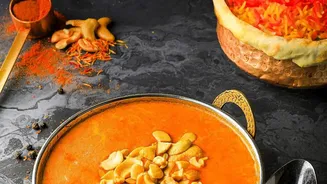
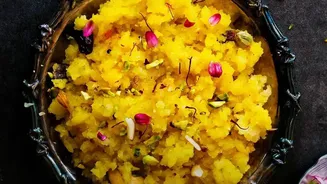
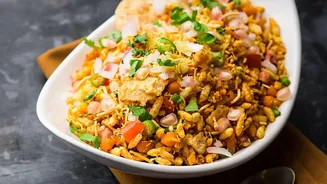
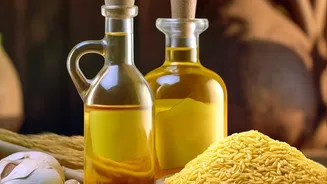
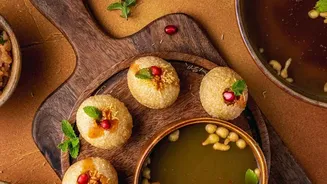
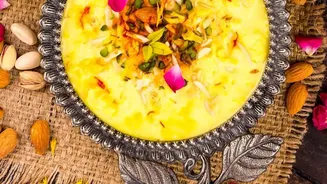
For many, Navratri is synonymous with fasting, a period of dietary discipline. The traditional 'vrat ka khana' often revolves around staples like Sabudana Khichdi, Kuttu ki Puri, and potatoes. While these classics remain beloved, modern kitchens are giving them a serious upgrade. Chefs and home cooks are now experimenting with global flavours and health-conscious techniques. Imagine swapping deep-fried pakodas for air-fried sweet potato tikkis, or enjoying a hearty bowl of 'samak' rice risotto instead of the usual khichdi. Buckwheat flour (kuttu) is being used to create everything from tacos to dosas, and millets like Rajgira (amaranth) are being transformed into nutritious and filling pulaos. Even desserts are getting a makeover, with traditional kheers being infused with new flavours and fasting-friendly flours being used for elegant mousses and cakes. This culinary creativity isn't about abandoning tradition, but enriching it, making fasting food more exciting, nutritious, and appealing to a modern palate.
Rituals with a Personal Touch
Beyond the kitchen, regional rituals are finding new life in urban homes. In South India, the tradition of 'Golu' or 'Bommai Kolu' — an elaborate display of dolls on stepped platforms — has long been a centerpiece of Navratri. Traditionally, these displays narrate stories from mythology. Today, however, families are using the Golu to express their creativity, creating displays with modern themes like environmental conservation or even depicting scenes from popular culture alongside divine figures. Similarly, Telangana's beautiful Bathukamma festival, where women create vibrant floral stacks, is gaining wider recognition. These conical arrangements of seasonal flowers are a tribute to nature's abundance and a symbol of Telangana's unique cultural identity. As people share these diverse practices online and within their communities, they are inspiring others to incorporate new and meaningful rituals into their own celebrations.
A Search for Authentic Connection
So, what's driving this trend? It appears to be a generation's desire to connect with its roots in a more meaningful way. In a globalised world, there's a growing appreciation for the local and the authentic. Young Indians, in particular, are looking past a one-size-fits-all approach to festivals. They are exploring their own family histories and the diverse traditions of the country to create celebrations that reflect their identity. This isn't just about aesthetics; it's about understanding the significance behind the rituals, whether it's the symbolism of the Golu steps representing spiritual progression or the eco-centric reverence of Bathukamma. It's a move towards a more conscious and personalised form of celebration, where tradition is not just inherited but actively chosen, understood, and adapted for today's world.