
More Than Just a Condiment
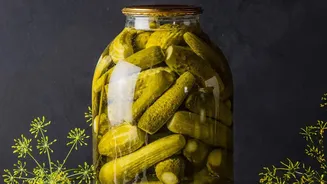
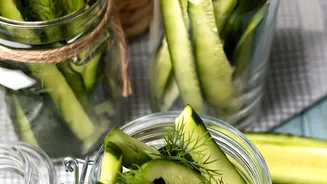
In India, a pickle is far more than a simple side dish; it's a vessel of culture, nostalgia, and history. For many, the sharp, tangy aroma of a sun-drying pickle instantly evokes memories of grandmothers' kitchens and summer holidays, where the preparation
was a communal family ritual. These recipes, passed down through generations, are culinary heirlooms, each telling a story of a specific region, its climate, and its local produce. From preserving the bounty of a harvest to ensuring food was available through lean months, pickling in India has always been an art of resilience and ingenuity. This deep-rooted tradition is the foundation for the hundreds of pickle varieties found across the country, each with a unique identity.
A Taste of Regional India
The sheer variety of Indian pickles is a map of the country's diverse landscapes. In North India, mustard oil is the preferred medium, giving birth to robust preparations like Punjab’s Gajar-Gobhi-Shalgam (carrot, cauliflower, turnip) achaar or the fiery stuffed red chilli pickles of Rajasthan. Travel south, and the flavour profile shifts. Andhra Pradesh is famous for its spicy Avakaya mango pickle and the tangy Gongura pickle made from sorrel leaves. In Kerala, you might find pickles made from seafood like prawns or fish, a reflection of its coastal abundance. The West offers a balance of sweet and spicy, like Gujarat's grated raw mango Chhundo, which uses jaggery for sweetness. Meanwhile, the Northeast presents unique flavours like Nagaland’s Bhut Jolokia (ghost pepper) pickle or fermented bamboo shoot pickles.
The Revival Fueled by Home Entrepreneurs
So, what's driving this rediscovery? A major factor is the rise of small-batch, artisanal pickle makers, many of whom are home cooks and entrepreneurs. Spurred by a desire to preserve family recipes and a growing consumer demand for authentic, preservative-free foods, these businesses are finding a vast audience online. Social media platforms and e-commerce websites have become virtual marketplaces, allowing these culinary artists to ship their unique, regional creations directly to customers across the country and even globally. Many of these ventures were born during the pandemic lockdowns, as home cooks turned their skills into businesses, sharing not just pickles but also the stories behind them.
A Modern Appetite for Tradition
The trend also speaks to a broader shift in consumer consciousness. Today’s food lovers are increasingly seeking out products with clear provenance and natural ingredients. They are moving away from mass-produced factory pickles, which often contain artificial preservatives, in favour of homemade-style options that promise authentic taste and health benefits. Naturally fermented pickles are rich in probiotics, which are beneficial for gut health, adding a wellness dimension to this traditional food. This renewed interest is not just about eating; it’s about connecting with a culinary heritage that is both deeply personal and widely shared. It represents a celebration of India's incredible biodiversity and the generational wisdom held within its kitchens.