
Cosmic Dust to Dazzling Light
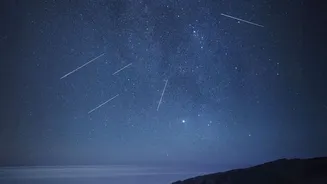
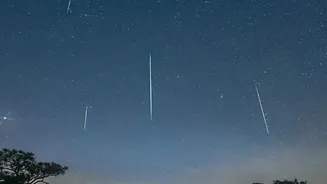
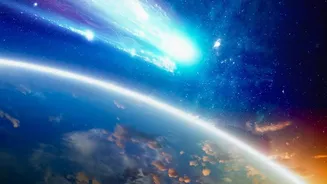
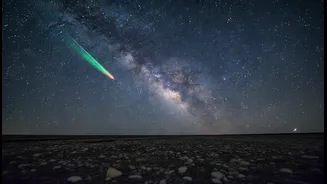
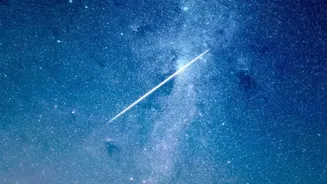
First, what exactly is a meteor shower? It happens when Earth passes through the trail of debris left by a comet or asteroid. These tiny particles, often no bigger than a grain of sand, burn up upon entering our atmosphere, creating the brilliant flashes
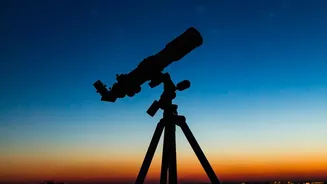
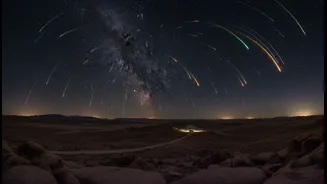
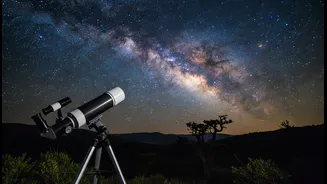
we call 'shooting stars'. They are named for the constellation from which they appear to radiate—for example, the Perseids seem to come from Perseus, and the Geminids from Gemini. This 'radiant point' is crucial for knowing where to direct your general gaze, although meteors can appear anywhere in the sky. Watching a shower requires no special equipment like telescopes; in fact, your naked eyes are the best tool for the job since they allow you to take in the widest possible view of the sky.
Stargazing Gets a Smart Upgrade
In the past, would-be astronomers needed star charts, a compass, and a healthy dose of patience to locate constellations and radiant points. It was a rewarding but often challenging process. Today, that entire toolkit has been condensed into a handful of powerful applications on your phone. These apps use your device’s GPS and compass to create an augmented reality window into the cosmos. Simply point your phone at the sky, and the app will identify stars, planets, and constellations in real-time. For meteor shower enthusiasts, this technology is a game-changer. It can show you exactly where the radiant point is, predict the peak viewing times for your specific location in India, and even send you notifications for upcoming celestial events.
For Pinpoint Accuracy: Stellarium Mobile
Stellarium is often considered the gold standard of mobile planetariums and is a fantastic tool for anyone in India. The free version is incredibly powerful, offering a realistic sky map from your precise location. For a meteor shower, you can use its search function to find the radiant constellation (like Perseus for the Perseids) and see exactly when it will rise above the horizon. The app’s 'night mode' feature, which casts the screen in a red tint, is essential. This preserves your night vision, as it takes at least 20 minutes for your eyes to fully adapt to the dark, and a bright white phone screen can ruin that in an instant.
For All-Round Ease: Star Walk 2
If you're looking for an app that is both visually stunning and easy for beginners, Star Walk 2 is a top contender. Its user-friendly interface makes identifying celestial objects effortless. A key feature is its 'time travel' slider, which allows you to scrub forward and backward in time to see how the sky will look hours or days from now. This is perfect for planning your meteor shower viewing session. You can determine the best time to head out—usually after midnight when the radiant is high in the sky and your part of Earth is facing into the debris stream. The app also includes a news section to keep you updated on upcoming events like the famous Perseids in August or India's most reliable shower, the Geminids, in December.
For Simplicity: SkyView Lite
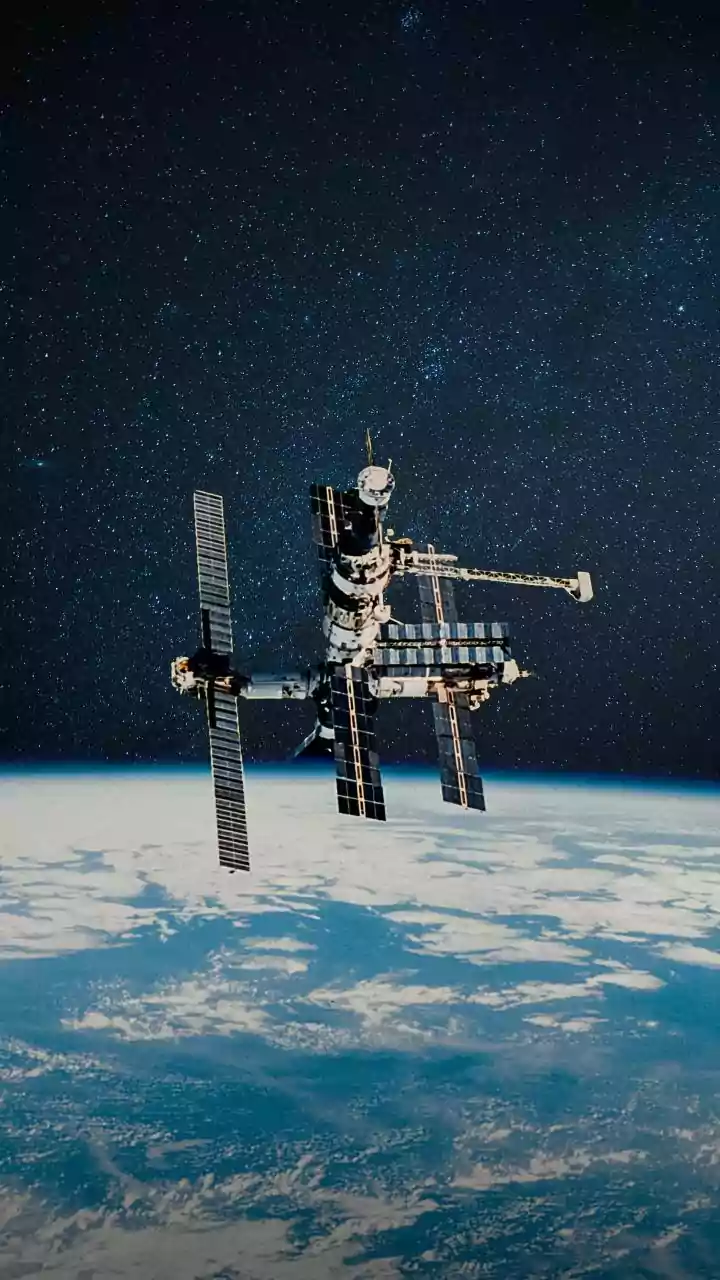
For those who feel overwhelmed by too many features, SkyView Lite offers a clean and intuitive experience. Its primary function is to help you identify what you're looking at with a simple point-and-view interface. This is incredibly helpful for absolute beginners who just want to confirm they are looking in the right general direction. The app can also track satellites, including the International Space Station (ISS), adding another layer of fun to your night under the stars. While it may not have the deep database of Stellarium, its simplicity is its greatest strength, making the cosmos feel immediately accessible.
Your Meteor Shower Checklist
Having the right app is only half the battle. To make the most of an event like the upcoming Perseid meteor shower (peaking around August 12-13), you need a good plan. The Perseids in 2026 offer excellent viewing conditions as the peak coincides with a new moon, meaning darker skies. First, get away from city lights. Light pollution is the biggest obstacle to seeing faint meteors. While the monsoon can be a challenge for the August Perseids in many parts of India, regions like Ladakh, Spiti, or western Rajasthan may offer clearer skies. Second, give your eyes time to adjust—at least 20-30 minutes without looking at your phone. Finally, get comfortable. Bring a blanket or a lounge chair, lie back, and simply look up. Patience is key.