







Your Gut: A Universe Within
Before diving into these drinks, it’s essential to understand what you're nourishing. Your gut is home to trillions of microorganisms, including bacteria, viruses, and fungi, collectively known as the gut microbiome. This internal ecosystem is crucial
for digestion, producing essential vitamins, and makes up 70 to 80% of your immune system. A balanced gut microbiome is linked to numerous health benefits, while an imbalance can contribute to issues like bloating, gas, and fatigue. Fermented foods and drinks, rich in beneficial live bacteria called probiotics, are one of the best ways to support this delicate balance.
Kombucha: The Fizzy Global Star
You’ve likely seen kombucha lining the shelves of health food stores. This fizzy, tangy drink has a history stretching back thousands of years, believed to have originated in China. It’s made by fermenting sweetened black or green tea with a SCOBY (Symbiotic Culture of Bacteria and Yeast). During fermentation, the SCOBY consumes most of the sugar, creating a beverage rich in probiotics, organic acids, and antioxidants from the tea. Studies suggest that the probiotics and acetic acid in kombucha may help improve digestion and suppress the growth of undesirable bacteria. When made with green tea, it also delivers a dose of powerful antioxidants called polyphenols.
Kanji: The Traditional Indian Powerhouse
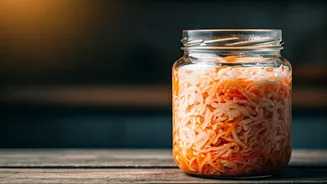
While kombucha has global fame, kanji is a treasured secret of North Indian households, especially during winter. This traditional drink is typically made by fermenting black carrots (kali gajar) or beetroot with water, salt, and coarsely ground mustard seeds. Unlike kombucha, it requires no starter culture, relying on the wild microbes present on the vegetables. The result is a savory, tangy, and slightly spicy drink with a beautiful ruby hue. Kanji is a powerhouse of lactic acid bacteria, particularly Lactobacillus strains, which are known to be hardy survivors of the digestive tract. It is traditionally consumed to aid digestion, prevent bloating, and boost immunity during seasonal changes.
The Home-Fermented Advantage
The headline's emphasis on "home-fermented" is key. When you buy commercially produced fermented drinks, you run the risk of them being pasteurised, a heating process that kills the very live bacteria you want. Commercial versions can also contain higher levels of sugar or additives to ensure shelf stability. Fermenting at home puts you in complete control. You can choose your ingredients, manage the sugar content, and ensure your final product is teeming with live, active cultures. Furthermore, the diversity of microbes in a home-brewed batch, particularly with a wild ferment like kanji, can be more varied and robust.
How to Choose and Get Started Safely
So, which one is right for you? It depends on your taste. Kombucha is often tangy, fizzy, and can be flavoured with fruits and spices, making it a great low-sugar soda replacement. Kanji is earthy, salty, and savory, offering a completely different flavour profile. Some experts suggest rotating between different fermented foods to introduce a wider variety of beneficial bacteria to your gut. If you decide to start brewing at home, safety is paramount. Always use clean jars and high-quality ingredients. With wild ferments like kanji, it's crucial that the vegetables are fresh and thoroughly washed to ensure good bacteria outcompete any harmful ones. When introducing any new fermented food into your diet, start with small amounts to allow your system to adjust.