







Why Your Flight Tickets Are Getting Pricier
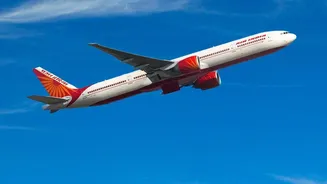
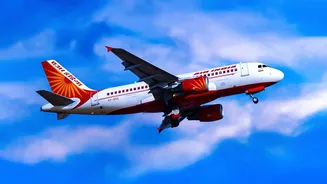
The most immediate impact of rising oil prices is on air travel. Airlines are heavily dependent on Aviation Turbine Fuel (ATF), a petroleum product. When crude oil becomes more expensive, the cost of ATF follows suit. In India, where fuel can account
for up to 40% of an airline's operating costs, even a small increase can have a significant ripple effect on ticket prices. Recently, geopolitical tensions have caused global crude benchmarks to surge, leading to a steep hike in ATF prices. To manage these soaring expenses, airlines often pass the cost on to passengers by introducing or increasing a fuel surcharge. Several Indian carriers have already adjusted their fare structures, adding surcharges that vary based on the flight distance. This means both domestic and international tickets are becoming more expensive, with long-haul international routes seeing the most significant increases.
The Hidden Costs for Road Trips and Local Travel
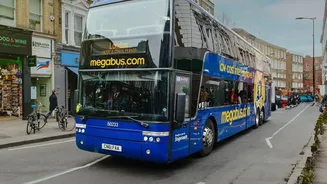
It’s not just air travel that feels the pinch. The cost of petrol and diesel directly impacts anyone planning a road trip. Across major Indian cities like Delhi, Mumbai, and Bengaluru, fuel prices have remained high, making self-driving holidays more expensive. This price pressure extends to other forms of ground transport as well. The operational costs for tourist buses and taxis increase, and these higher charges are inevitably passed on to the consumer. Even local sightseeing can become costlier as cab fares adjust to the new fuel reality. This trend affects the overall budget for a trip, as transportation often forms a major chunk of daily expenses. A survey has shown that rising fuel prices are forcing many Indians to cut back on non-essential travel and outings.
How to Plan Smarter and Keep Your Budget in Check
While rising costs are a reality, they don’t have to derail your travel plans entirely. Strategic planning can help you mitigate the impact. One of the most effective strategies is to book your flights and hotels well in advance. Airlines often release their cheapest seats early, and booking before fuel surcharges are fully baked into all fare classes can lead to significant savings. Flexibility is also key. If you can travel during the shoulder season or on weekdays, you are more likely to find better deals. Being open to alternative destinations can also help; instead of a popular, far-flung location, consider a closer or less-crowded spot that offers a similar experience for a lower travel cost. For road trips, choosing a fuel-efficient vehicle or relying on public transport like trains for longer distances can make a big difference.
What to Expect in the Coming Months
The outlook for travel costs remains closely tied to the volatile global energy market. Experts suggest that if crude oil prices remain elevated, the upward pressure on travel expenses will continue. While the Indian government has at times intervened to cap the monthly increase in ATF prices for domestic flights to stabilize fares, international routes do not receive the same protection and will reflect global price hikes more directly. Travellers planning trips in the near future should budget for potentially higher costs, especially for international holidays. Despite the rising expenses, the desire to travel remains strong among Indians, with many opting for shorter, more frequent trips or exploring domestic destinations to manage their budgets. The trend is shifting towards value-conscious decisions, where travellers are actively seeking deals and prioritising experiences that offer the most bang for their buck.