

The Allure of the Mountains
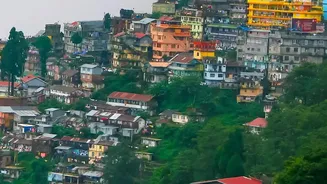
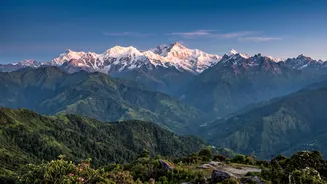
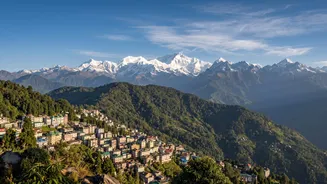
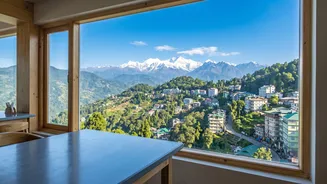
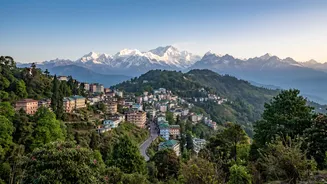
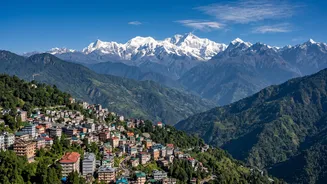
Why choose Gangtok over other nomad hubs? The primary draw is its unique atmosphere. Life here moves at a slower pace, surrounded by staggering views of the Kanchenjunga range. It's a city where Buddhist monasteries, vibrant local markets, and modern
cafes coexist. The pedestrian-only MG Marg serves as the city's clean, bustling heart, perfect for evening strolls. For nomads seeking inspiration from nature, cultural depth, and a peaceful environment to focus, Gangtok presents a compelling case. It offers a blend of tranquillity and necessary amenities that can be hard to find elsewhere.
Visas and a Word of Caution
This is the most critical hurdle. As of late 2026, India does not offer a specific 'digital nomad visa' for foreign nationals. The most common route for remote workers is to use a long-term e-tourist visa. These are typically valid for one or five years with multiple entries, but each stay is capped at 90 consecutive days for most nationalities. This means you would need to exit and re-enter India every three months. It is crucial to understand that working on a tourist visa exists in a legal grey area. Always state tourism as your purpose of visit and never engage in local employment. This path requires careful planning and an understanding of the rules to avoid any immigration issues.
Connectivity and Workspace
A digital nomad's biggest concern is often internet reliability. In Gangtok, fibre broadband is increasingly common. Providers like Airtel Xstream Fiber and local operators offer plans with speeds up to 1 Gbps, which is more than sufficient for video calls and large file transfers. However, connectivity can be affected by the weather, so it's wise to have a backup. For mobile data, Jio and Airtel offer reliable 4G coverage within the city. For those who prefer a dedicated workspace, Gangtok has a growing coworking scene. Sanctorum Coworking, the city's first major hub, offers monthly passes starting around ₹6,000, providing fibre internet, meeting rooms, and a community of professionals. Other options like My Branch also cater to remote workers, alongside numerous cafes on MG Marg and beyond that offer decent Wi-Fi.
The Cost of Living
Gangtok is remarkably affordable compared to major global and even Indian cities. A single person can live comfortably on a monthly budget of approximately ₹28,000-₹35,000 ($330-$420 USD). Recent data from September 2026 suggests monthly costs for one person, including rent, average around $337. A one-bedroom apartment (1BHK) typically rents for ₹10,000-₹15,000 per month. Food is inexpensive, with a meal at a budget restaurant costing around ₹200 and monthly groceries for one person around ₹8,000. Transportation mainly consists of taxis, which are affordable, especially when shared. This low cost of living allows for a high quality of life on a modest remote income.
Finding Your Himalayan Home
For long-term stays, hotels are not cost-effective. The best options are long-term homestays, guesthouses, and apartment rentals. Many homestays now cater specifically to digital nomads, offering monthly packages that include Wi-Fi and sometimes meals. Platforms like Airbnb and VRBO have listings for monthly stays, but local connections often yield the best deals. Joining local Facebook groups like 'Easy Shelter Gangtok' can reveal apartment listings directly from owners, with 1BHKs often available for between ₹9,000 and ₹17,000 depending on the location and furnishings. When renting, it's wise to check for consistent water supply and power backup, although Gangtok has a relatively stable 24/7 electricity supply.
Life Beyond the Laptop
The true reward of staying in Gangtok is the access to incredible experiences. Weekends can be spent exploring famous monasteries like Rumtek and Enchey, which offer profound peace and stunning architecture. For nature lovers, day trips to Tsomgo Lake, a glacial lake at high altitude, or Tashi Viewpoint for sunrise over the Kanchenjunga are must-dos. The city itself is walkable, though hilly. The local cuisine is a delight, with chances to try authentic Sikkimese dishes like momos, thukpa, and gundruk at local eateries. The pace of life is relaxed, and the culture is a fascinating blend of traditional Tibetan-Buddhist heritage and modern Indian life, offering a rich tapestry for any curious traveler to explore.