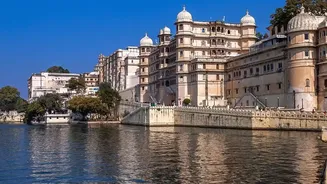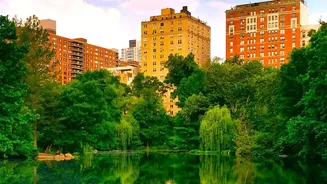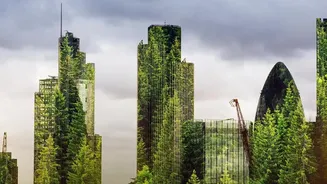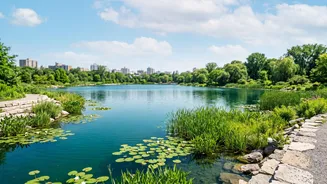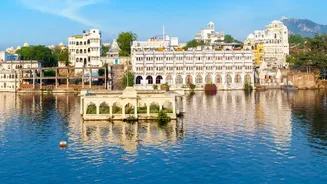







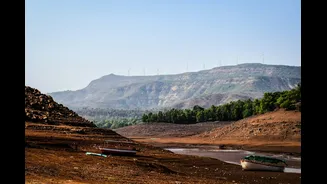
In the concrete sprawl of our cities, a patch of blue is a welcome sight. But urban water bodies—lakes, ponds, and wetlands—are more than just scenic spots. They are critical infrastructure, working silently to protect us and support life.
The City’s Natural Sponges
One of the most
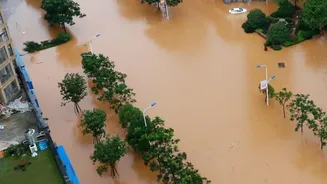
vital roles of urban water bodies is flood mitigation. During heavy monsoon downpours, they act like giant natural sponges, absorbing massive volumes of excess rainwater. This process, known as stormwater detention, slows down the flow of water and reduces the immense pressure on our often-overwhelmed urban drainage systems. When lakes and wetlands are healthy, water can gradually percolate into the ground, a process that recharges precious groundwater aquifers. This replenishment is crucial for cities like Chennai and Bengaluru, which rely heavily on groundwater for their drinking water supply. The devastating floods in Chennai in 2015 and Hyderabad in 2020 were significantly worsened by the loss and encroachment of these natural sponges, which were no longer able to absorb the deluge.
Oases of Urban Biodiversity
Beyond flood control, these blue-green spaces are bustling hubs of biodiversity. They provide essential habitats for a wide variety of plants, fish, insects, and amphibians. For many resident and migratory birds, urban lakes are indispensable stopovers for feeding and breeding. Studies in Bengaluru have shown that larger, healthier lakes support a greater richness of bird species. These ecosystems also act as the city's natural air conditioners. By absorbing heat during the day, water bodies help reduce the 'urban heat island' effect, making surrounding neighbourhoods cooler and more liveable. This cooling function is becoming increasingly important as cities grapple with rising temperatures due to climate change.
A Vanishing Lifeline
Despite their importance, India's urban water bodies are under severe threat. According to the country's first Waterbody Census, a staggering number have been lost to unchecked urbanisation. Bengaluru, once known as the 'City of a Thousand Lakes', has lost over 80% of its water bodies to urban sprawl. Many that remain are being choked by the relentless dumping of untreated sewage, industrial effluents, and solid waste. Encroachment is another major problem, with lake beds illegally converted into real estate for residential colonies and commercial complexes, drastically shrinking their capacity to hold water. This widespread degradation not only destroys habitats but also heightens the risk of both flooding and severe water scarcity.
A Ripple of Hope
The situation, however, is not without hope. Across the country, citizen groups and government bodies are collaborating to breathe new life into these neglected assets. In Delhi, the ancient Hauz-i-Shamsi reservoir and the Rajokri Lake have been revived using nature-based solutions, involving local communities in the restoration and upkeep. In Bengaluru, community-led initiatives have successfully restored dozens of lakes, such as Jakkur Lake and Chikkanayakanahalli Lake. These projects focus on desilting, clearing feeder channels, creating habitats like central islands for birds, and sometimes using natural methods to treat incoming wastewater. The success of these efforts shows that it is possible to reverse the damage and reclaim these vital blue spaces for the benefit of both people and nature.