




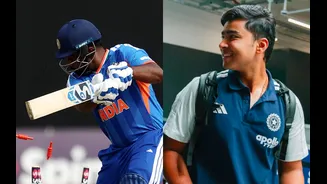
Confronting a Painful History
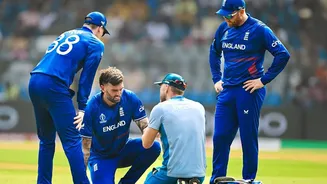
For years, Indian cricket has been a story of immense talent hampered by untimely injuries. Key players breaking down before or during crucial ICC tournaments has become a painfully familiar narrative. Recent tours have seen a spate of fitness issues,
prompting even the captain to publicly lament the team's struggle to field a consistent playing eleven. This recurring problem of top-tier athletes being unavailable when it matters most has often been the difference between a championship-winning campaign and a premature exit. It is this history of 'what ifs' that forms the backdrop for Gambhir’s new, hardline stance. The era of hoping for the best is over; the era of engineering resilience has begun.
The 'No Half-Cooked Players' Mandate
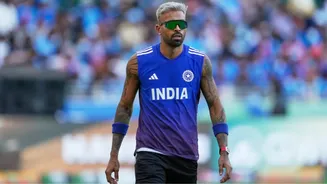
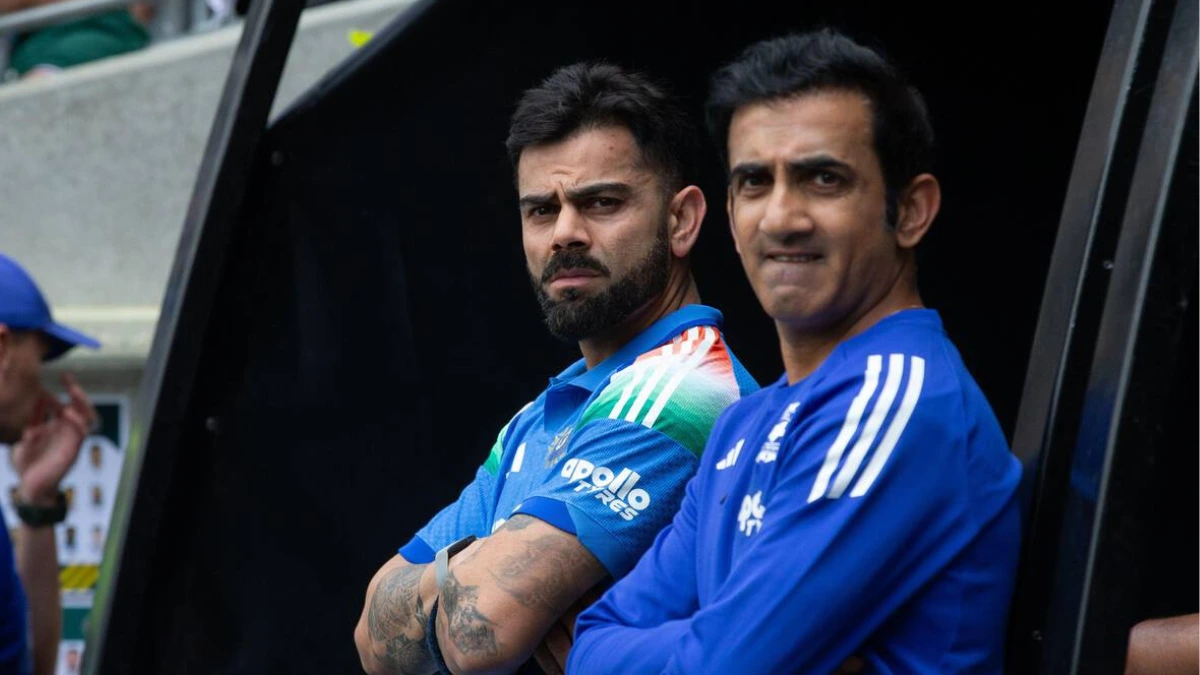
In his first major pronouncements as head coach, Gautam Gambhir made his philosophy crystal clear, stating that the team “cannot go into a World Cup half-cooked.” He specifically highlighted all-rounder Hardik Pandya and pace spearhead Jasprit Bumrah as players who are “extremely important” for the 2027 campaign in South Africa. Both have battled significant injuries and time away from the game. Gambhir stressed that for players like Pandya, who offers a rare combination of power-hitting and ten overs of bowling, simply being selected is not enough. He needs substantial “game time” to build rhythm and match-readiness. The message is unequivocal: reputation will not guarantee a spot on the plane to the World Cup if a player’s body is not 100% prepared for the tournament's rigours.
A New Culture of Fitness
Gambhir's strategy extends far beyond just demanding players be fit. It involves a complete overhaul of how player conditioning and workload are managed. This includes a more sophisticated approach to player rotation, with Gambhir indicating that key batters might be rested from white-ball series to adequately prepare for important Test assignments. Furthermore, the fitness evaluation system itself is being upgraded. Alongside the well-known Yo-Yo test, the team has introduced the Bronco Test, a gruelling shuttle-run drill borrowed from rugby designed to test aerobic endurance to its absolute limits. This signals a move towards creating athletes who are not just gym-fit, but possess the stamina to endure a long and demanding tournament.
The Long and Disciplined Road to 2027
This focus on fitness is not a short-term fix but a long-term vision aimed squarely at the 2027 ODI World Cup. Gambhir has stated that a blueprint for the tournament will be drawn up after the 2026 IPL season, which will serve as a crucial window for identifying the core group of players best suited for the conditions in South Africa. The plan involves giving a pool of around 25 to 30 players enough matches together to build cohesion and understanding. This methodical approach may require tough decisions in the short term, potentially sidelining big names who don't meet the stringent fitness and game-time criteria. However, it's a sacrifice Gambhir appears willing to make to build a squad that is not just talented, but durable enough to go all the way.