

What You Are Looking For
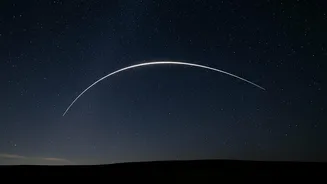
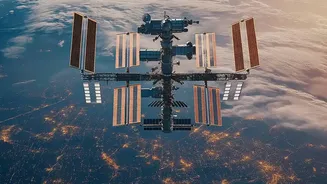
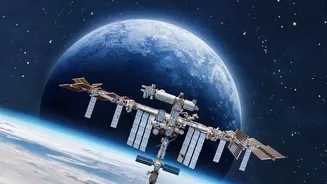
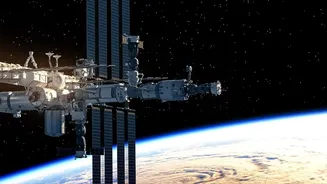
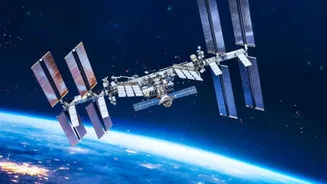
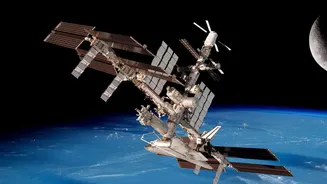
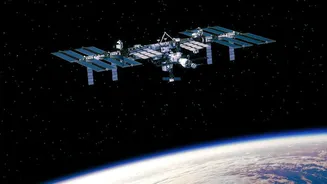
Spotting the International Space Station is a unique experience. To the naked eye, it looks like a very bright, steady star moving silently and swiftly across the sky. Unlike an airplane, it doesn't have flashing lights, and unlike a meteor, it doesn't streak
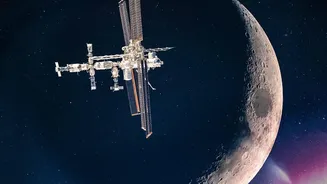
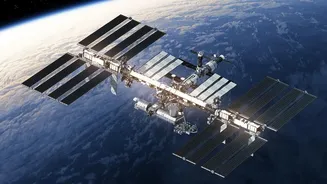
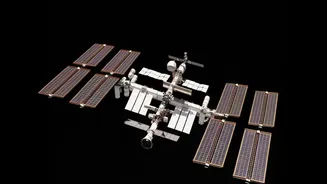
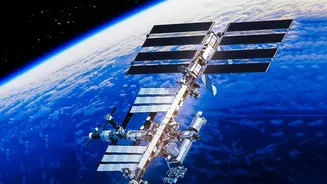
and vanish in an instant. It travels at a staggering 28,000 kilometres per hour, completing an orbit of Earth roughly every 92 minutes. What you are seeing is sunlight reflecting off its large solar panels. This makes it one of the brightest objects in the night sky, often outshining every star and even rivaling the planet Venus in brilliance. A typical pass can last anywhere from two to six minutes, offering a generous window to watch this marvel of human engineering glide from one horizon to the other.
Finding the Right Time and Place
While the headline suggests nightly viewings, the reality is a bit more specific. The ISS is only visible when your location on the ground is in darkness, but the station itself, high above, is still illuminated by the sun. This creates prime viewing windows shortly after sunset and just before sunrise. Visibility comes in cycles; you might get several opportunities over a week, followed by a period of no sightings for a couple of weeks, depending on the station's orbital path. The best viewings occur on clear nights when the station passes high above the horizon (more than 40 degrees). Any location with a clear view of the sky, away from the direct glare of city lights, will work perfectly. Your own balcony, a local park, or even a quiet street is all you need.
The Best Apps for the Hunt
Your smartphone is the most powerful tool for this celestial chase. Several free and user-friendly apps can predict exactly when and where the ISS will be visible from your specific location. NASA's official Spot The Station app is a great starting point, offering precise timings and notifications. Another highly recommended app is ISS Detector, which not only tracks the ISS but also other satellites and celestial events. For Android users, Heavens-Above provides detailed pass predictions, while Satellite Tracker by Star Walk is a popular choice on both Android and iOS, offering a simple interface and augmented reality features to help you pinpoint objects in the sky. Most of these apps use your phone’s GPS to provide customised alerts, so you never miss a pass.
A Step-by-Step Viewing Guide
Once you've downloaded your chosen app, the process is simple. First, grant the app location access so it can calculate passes for your area. Then, enable notifications. The app will send you an alert, often hours in advance, of an upcoming sighting. The alert will provide key details: the time the pass begins, the direction it will appear (e.g., 'Appears in the SW'), its maximum height in the sky (90 degrees is directly overhead), and the direction it will disappear. Plan to go outside about five minutes before the scheduled time to let your eyes adjust to the darkness. Face the direction indicated by the app and wait. Right on schedule, you will see a bright point of light emerge and begin its silent, steady journey across the firmament.