


A Craving for Authenticity
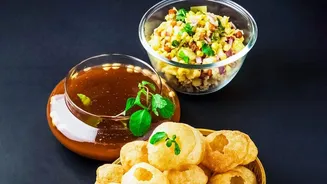
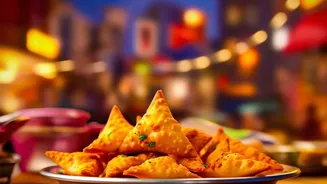
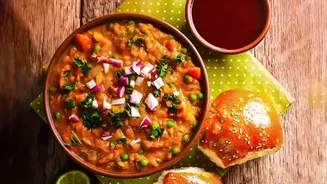
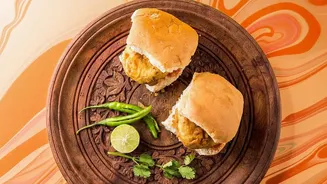
The modern Indian diner is more curious and discerning than ever before. After years of standardized menus, there's a growing appetite for unique, authentic, and regional flavours. This isn't just about nostalgia; it's a full-blown culinary movement.
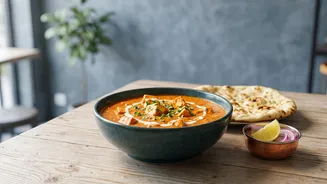
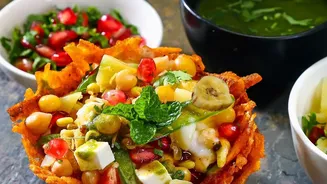
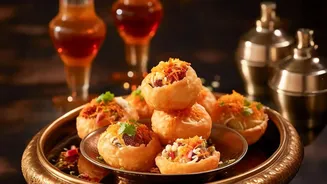
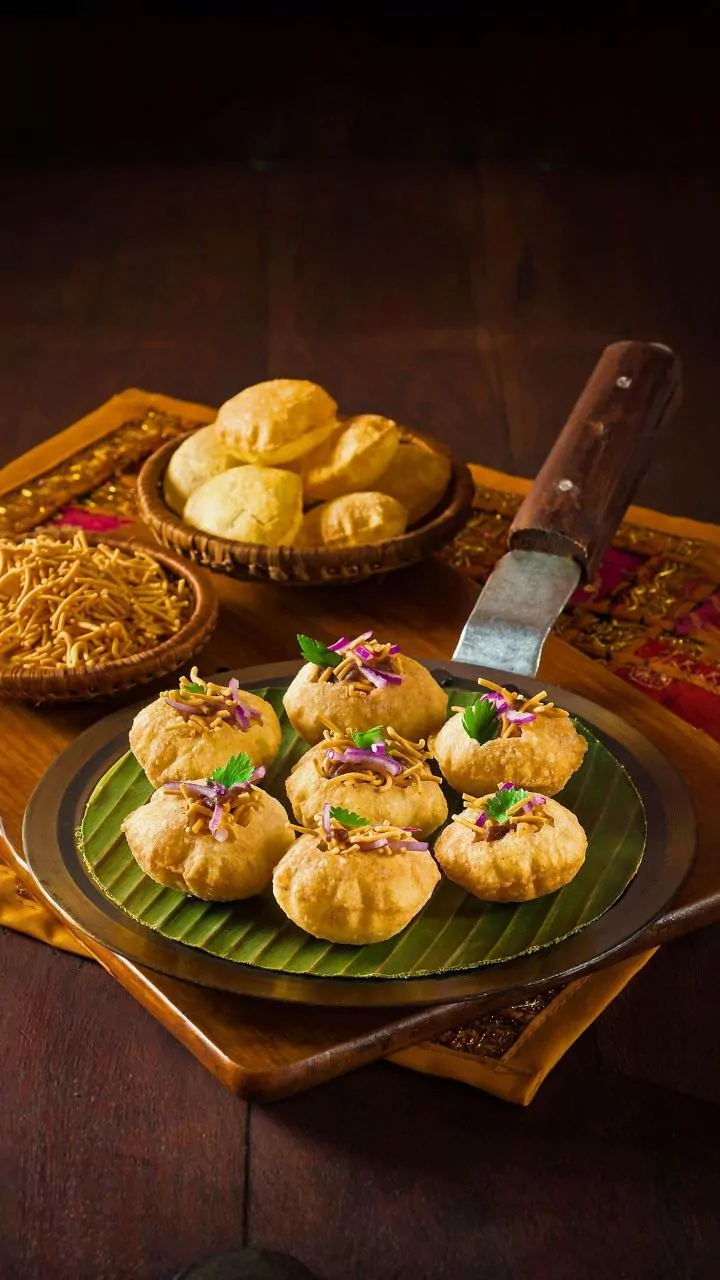
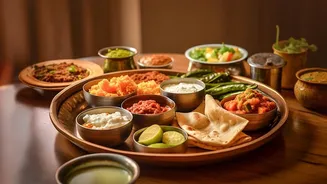
Consumers are actively exploring hyper-regional dishes, forgotten family recipes, and food that tells a story. Smaller brands are perfectly positioned to meet this demand. Unlike large chains, which rely on consistency across hundreds of outlets, a local brand can build its entire identity around a specific micro-cuisine, whether it's a little-known fish curry from Manipur or a specific style of biryani. This focus on authenticity helps them create a stronger, more memorable identity in a crowded market.
The Great Digital Leveller
Historically, a massive marketing budget was a prerequisite for building a food brand. Today, technology has dramatically levelled the playing field. Food delivery and quick commerce platforms like Zomato, Swiggy, and Zepto have become powerful distribution channels, giving small restaurants access to a vast customer base without heavy investment in their own infrastructure. While high commissions can be a challenge, these platforms provide visibility that was once unimaginable for a neighbourhood eatery. Social media further empowers these brands, allowing them to engage directly with customers, showcase their unique offerings, and build a loyal community organically. A well-placed Instagram post can generate more buzz than a costly newspaper ad, turning chefs and their stories into a key attraction.
Favourable and Agile Economics
Smaller brands benefit from more agile and cost-effective business models. The rise of cloud kitchens, or delivery-only restaurants, has been a game-changer. These setups slash the enormous costs associated with prime real estate, service staff, and elaborate interiors, allowing entrepreneurs to launch with significantly less capital. This lower-risk model encourages experimentation. An independent operator can test a new concept as a cloud kitchen and only expand to a physical dine-in location once the brand is proven. This flexibility is a key advantage over large corporations, which often have rigid, high-cost expansion plans. Even for dine-in formats, smaller restaurants often have lower overheads and can adapt their menus and operations more quickly to market trends and customer feedback.
The Changing Investor Appetite
The investment community is taking notice. While large, pan-India quick-service restaurant (QSR) chains remain attractive, private equity firms and venture capitalists are increasingly looking at promising regional and local brands for high-growth opportunities. Investors recognize that the shift from unorganized to organized food service is creating space for new leaders to emerge. They see potential in differentiated concepts that have a strong local following and the ability to scale, first regionally and then beyond. For many investors, backing a smaller, authentic brand with a clear vision is now seen as a less risky proposition than trying to grow a mature, large-scale chain in an already competitive environment.