
1. Millets Over Refined Flours
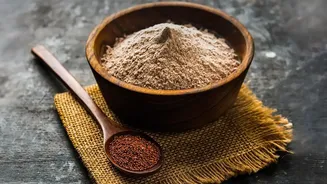
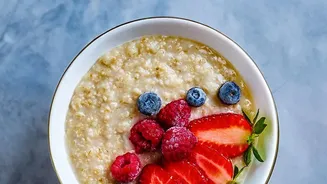
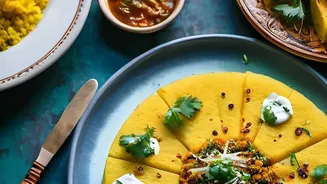
Ancient grains like ragi, jowar, and bajra are experiencing a major revival. Once staples before the Green Revolution made wheat and rice ubiquitous, millets are now celebrated for their high fibre, low glycemic index, and climate resilience. They are appearing
in everything from breakfast cereals and dosa mixes to breads and cookies. This trend is a rediscovery, bringing back grains that were central to Indian diets for millennia but were sidelined by modern agriculture. They aren't just for traditional bhakri anymore; they're the foundation of new, value-added health products. They are replacing: Staples made from refined wheat and rice, such as maida-based breads, regular breakfast cereals, and some polished rice in daily meals.
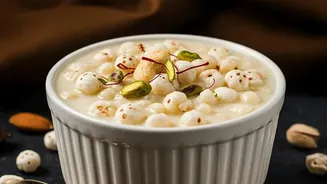
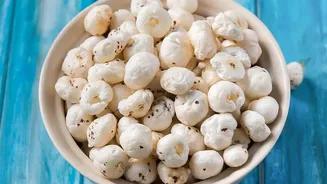
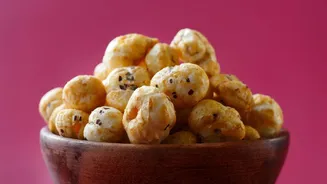
2. Makhana Instead of Fried Namkeen
Makhana, or fox nuts, have transitioned from a food reserved for fasting to a mainstream, all-day snack. Roasted and seasoned in a variety of flavours, they offer the crunch of potato chips or fried namkeens without the associated guilt. Their appeal lies in being a source of protein and fibre, fitting perfectly into the growing consumer demand for healthier, yet satisfying, munching options between meals. Brands have capitalized on this, packaging them as a go-to alternative to traditional fried snacks. They are replacing: Potato chips, bhujia, and other deep-fried packaged namkeens.
3. Plant-Based Meats and Dairy
The plant-based market in India is moving from a niche segment to a significant food category. Driven by health, environmental, and ethical concerns, consumers are trying plant-based alternatives to meat and dairy. While India has a long tradition of vegetarianism, this new wave includes products that mimic the texture and taste of meat, as well as alternatives like oat and almond milk. This is especially popular among younger, urban demographics and flexitarians. They are replacing: Traditional dairy products for some consumers, given high rates of lactose intolerance, and sometimes paneer or chicken in specific dishes.
4. Probiotic Drinks Over Sugary Sodas
Gut health has become a major wellness focus for Indian consumers. This has fueled a surge in the popularity of probiotic and fermented drinks like kombucha, kefir, and functional beverages. Shoppers are increasingly aware of the connection between a healthy gut and overall well-being, including immunity and mood. These drinks are seen as a purposeful, health-boosting alternative to conventional soft drinks and packaged juices that are often high in sugar. They are replacing: Carbonated soft drinks and sugar-laden fruit juices.
5. Greek Yoghurt Instead of Sweetened Yoghurt
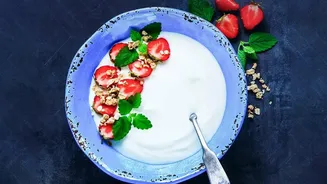
The simple dahi is getting a protein-focused upgrade. Greek yoghurt and other high-protein, strained yoghurts are becoming common in urban refrigerators. This shift aligns with a broader trend where consumers are actively looking to add more protein to their daily diet. These yoghurts are thicker, creamier, and often have less sugar than their dessert-style counterparts, positioning them as a healthier snack or meal component. They are replacing: Traditional sweet, flavoured yoghurts and dairy-based desserts.
6. Quinoa and Global Grains
While millets represent a return to Indian roots, the adoption of global grains like quinoa shows a parallel trend toward international health foods. Positioned as a high-protein, gluten-free superfood, quinoa has found a firm footing among health-conscious urbanites. It is often used in salads or as a direct substitute for rice in certain meals, catering to a desire for nutrient-dense, globally-inspired dietary choices. They are replacing: White rice and sooji (semolina) in specific health-focused dishes like upma or salads.
7. Nuts and Seeds as Daily Snacks
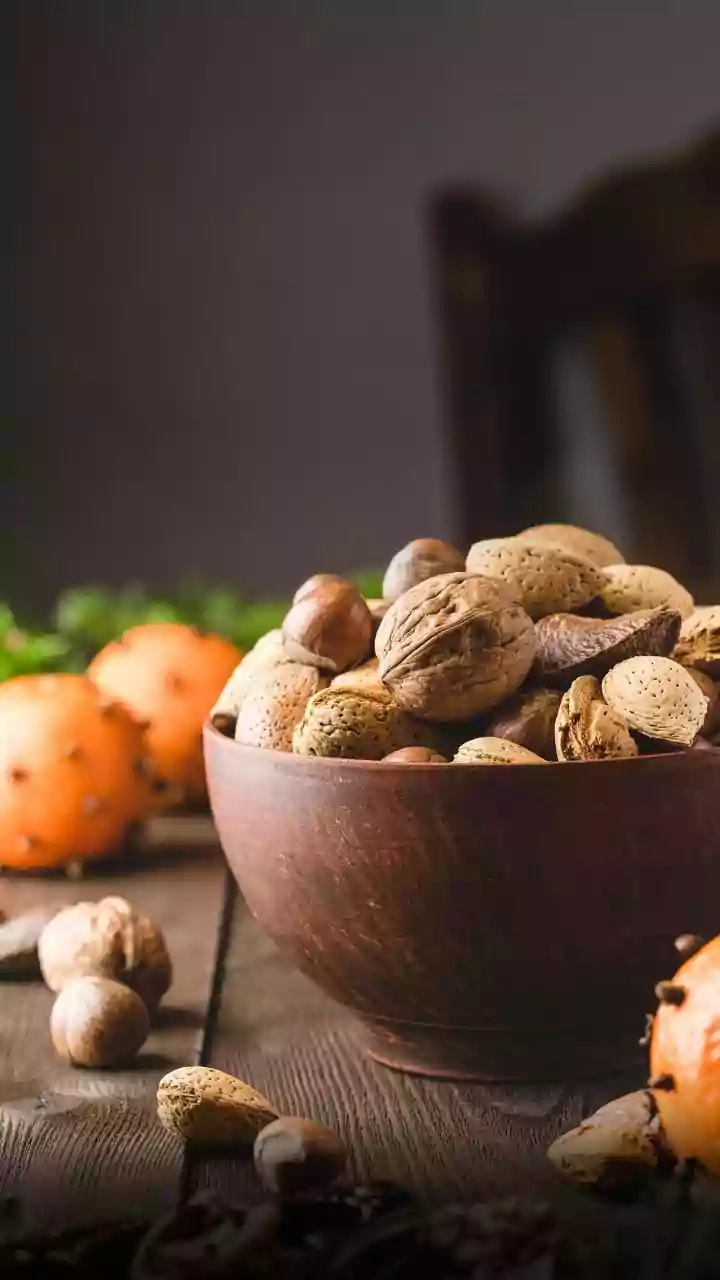
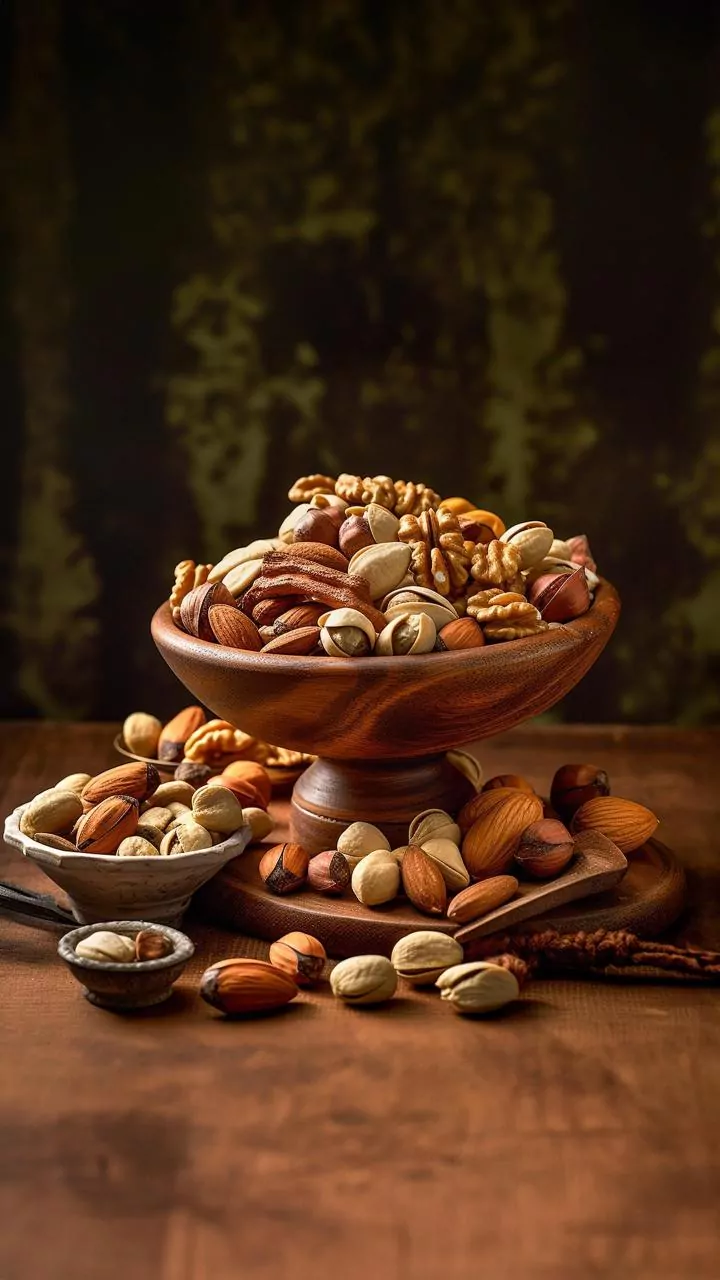
Almonds, walnuts, and various seeds (pumpkin, sunflower, chia) are no longer just for festive sweets or garnishes. They are now a primary snacking category, sold in convenient packs for on-the-go consumption. This shift is driven by their reputation as a source of healthy fats, protein, and fibre. A 2026 survey found that 86% of respondents considered protein important when choosing snacks, a demand that nuts and seeds perfectly meet. They are replacing: Traditional tea-time companions like packaged biscuits and cookies.
8. Nut Butters Over Sugary Spreads
Following the trend of nuts as snacks, nut butters made from almonds, cashews, and pumpkin seeds are gaining popularity. These spreads offer a healthier profile, rich in protein and unsaturated fats, compared to traditional breakfast spreads loaded with sugar and palm oil. They appeal to fitness enthusiasts and parents looking for nutritious options for their children's toast or rotis. They are replacing: Chocolate-hazelnut spreads and fruit jams.
9. Protein Bars Instead of Chocolate Bars
The protein trend has also reshaped the confectionary aisle. Protein bars have successfully moved from niche gym supplements to mainstream convenience snacks. Offering satiety and functional benefits, they provide the grab-and-go ease of a chocolate bar but with a health-halo. This makes them an easy swap for a quick energy boost during a busy workday. They are replacing: Conventional chocolate bars for a quick, functional energy snack.
10. Ready-to-Cook (RTC) Meal Kits
Convenience is king, especially in urban India. The demand for ready-to-eat and ready-to-cook meal kits is growing rapidly, with the market expected to expand significantly. These products cater to busy professionals and nuclear families who lack the time for elaborate traditional cooking but still crave authentic flavours. Options range from instant biryani and dal makhani to pre-prepped meal kits that simplify home cooking. They are replacing: The time and effort of sourcing and prepping individual ingredients for complex, home-cooked meals.