





More Than Just Swimming Laps
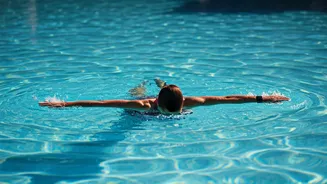
When you hear “pool workout,” you might picture swimming endless laps or perhaps a lively aqua aerobics class. Water calisthenics is a powerful hybrid of these ideas, focusing on using your own body weight against the natural resistance of water to perform
controlled movements. Think of it as a bodyweight gym where the floor, walls, and air have all been replaced by a supportive, challenging liquid. Instead of simply splashing around, you’re performing intentional exercises—squats, lunges, high knees, arm circles—in chest-deep water, turning the pool into a 360-degree resistance machine.
The Science Behind the Splash
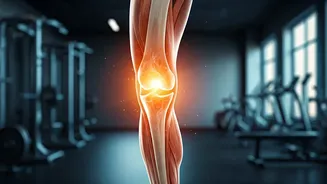
The magic of water calisthenics comes from three core principles of physics. First is buoyancy. Water counteracts gravity, supporting up to 90% of your body weight. This is a game-changer for your joints. The jarring impact that can make running or jumping on land painful is almost entirely eliminated. Second is resistance. Water is about 800 times denser than air, providing constant, multi-directional resistance. On land, you fight gravity in one direction. In water, every movement—pushing, pulling, twisting—is met with resistance, forcing your muscles to work harder through their entire range of motion. Finally, there's hydrostatic pressure. The water exerts gentle, consistent pressure on your entire body, which can help reduce swelling in joints, improve circulation, and even make your heart work more efficiently.
What Is ‘Functional’ Joint Power?
Functional power isn’t about lifting the heaviest weight in the gym; it’s about having the strength, stability, and mobility to perform everyday tasks with ease and without pain. This means lifting groceries, climbing stairs, playing with your children, or twisting to grab something from the back seat of your car. Water calisthenics excels at building this kind of real-world strength. The 360-degree resistance forces you to engage small stabilizing muscles around your joints that are often neglected in land-based workouts. As you push your leg back against the water, you’re not just working your glutes; your core must fire to keep you stable, and the opposing muscles in your hip flexors are also engaged. This creates a more balanced, resilient, and powerful joint structure.
Who Benefits Most from This Workout?
While water calisthenics is beneficial for almost anyone, it is particularly transformative for certain groups. Individuals with arthritis or chronic joint pain find it allows them to exercise and build strength in a nearly painless environment. It’s an excellent tool for rehabilitation after an injury or surgery, providing a safe space to regain mobility and power without risk of re-injury. For older adults, it’s a superior way to combat age-related muscle loss (sarcopenia) and improve balance, a key factor in fall prevention. Even elite athletes use water workouts for low-impact cross-training, allowing them to maintain cardiovascular fitness and build strength while giving their joints a much-needed break from high-impact activities.
Simple Moves to Get You Started
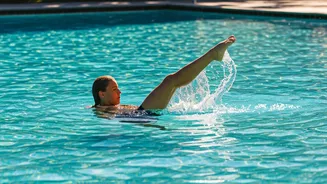
Getting started is simple, as most community pools are perfectly suitable. Begin in waist-to-chest deep water and focus on slow, controlled movements. Try a few of these: - **Water Walking/Jogging:** Simply walk or jog from one end of the pool to the other. To increase difficulty, lift your knees higher or move faster. - **Leg Lifts:** Stand near the pool wall for support. Slowly lift one leg out to the side, then forward, then backward, feeling the water resist your movement in every direction. Repeat on the other side. - **Torso Twists:** Stand with feet shoulder-width apart, arms extended in front of you. Slowly twist your upper body from side to side, keeping your hips stable. The water's resistance will engage your core muscles. - **Jumping Jacks:** The water will slow you down and remove the impact, turning a jarring cardio move into a powerful resistance exercise for your inner and outer thighs.