

The Science of Muscle Repair
Every time you engage in strenuous exercise, you create tiny micro-tears in your muscle fibres. The recovery process involves repairing these tears, which is how muscles become stronger and larger over time. This repair process, known as muscle protein
synthesis (MPS), is heavily dependent on protein. Amino acids, the building blocks of protein, are essential for this task. After a workout, your body is primed to absorb nutrients to kickstart this repair. The goal of a post-workout meal is to supply these amino acids quickly and efficiently, along with carbohydrates to replenish depleted energy stores.
Plant Power: Getting Enough Protein
A common concern is whether plant-based diets provide enough protein for muscle growth. The answer is a definitive yes. The key is understanding which foods are protein-rich and how to combine them. While many animal proteins are 'complete'—meaning they contain all nine essential amino acids our bodies can't produce on our own—many plant sources are, too. Foods like tofu, tempeh, edamame (and other soy products), quinoa, and hemp seeds are all complete proteins. Research indicates that as long as protein intake is sufficient, plant-based diets support muscle strength and mass gains just as effectively as diets that include meat. Some studies even suggest that well-formulated plant protein blends can stimulate muscle protein synthesis at levels comparable to whey protein.
Your Vegan Muscle-Building Toolkit
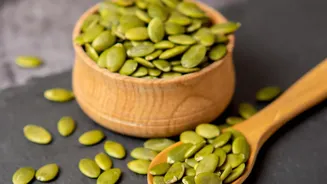
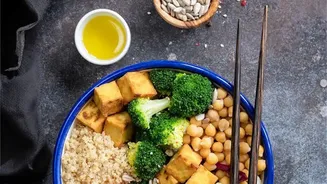
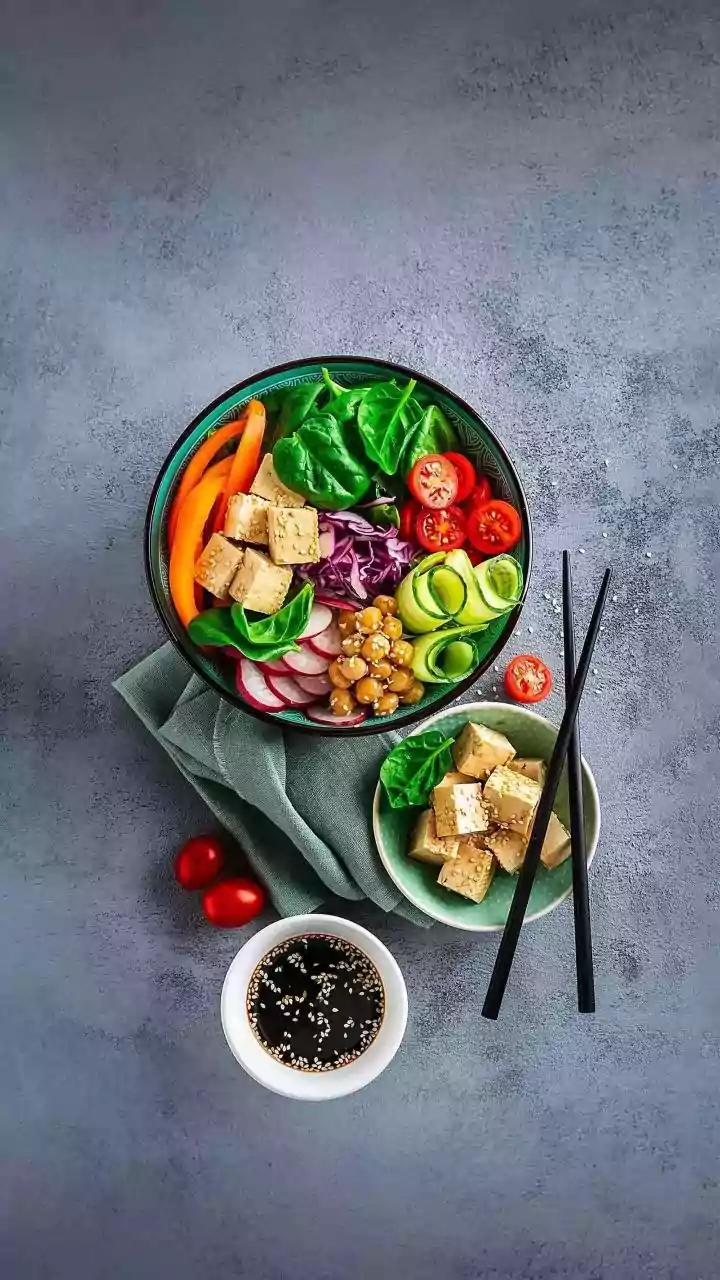
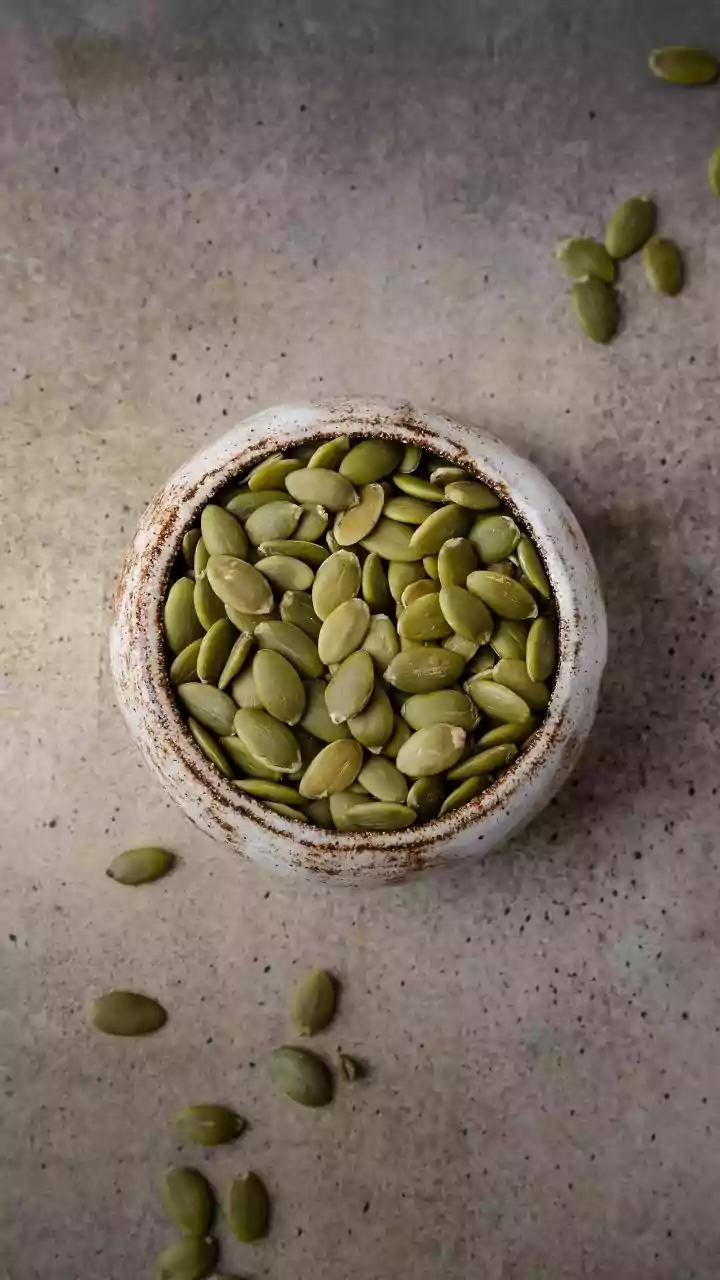
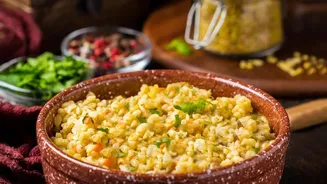
Building a high-protein vegan plate is about variety. Aim to include a rich protein source in every meal. Top choices include lentils, chickpeas, black beans, and kidney beans, which are staples in many Indian kitchens and offer a fantastic combination of protein and fibre. Tofu and tempeh are incredibly versatile; tofu can be scrambled or used in curries, while tempeh provides a firm, nutty texture. Seitan, made from wheat gluten, is another protein powerhouse. Don't forget nuts and seeds; pumpkin seeds and hemp seeds are particularly high in protein. Grains like quinoa and buckwheat also contribute significantly to your daily protein goals.
The Art of Smart Meal Prepping
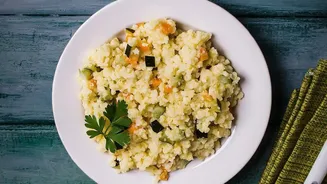
Meal prepping is your secret weapon for consistency. It takes the guesswork out of post-workout nutrition. Start simply by batch-cooking a few core components on a Sunday. Cook a large pot of a grain like quinoa or brown rice. Prepare a large batch of a legume curry, such as chana masala or dal tadka, which are excellent sources of protein and store well. Roast a tray of vegetables for easy additions to any meal. You can also pre-chop vegetables for quick stir-fries. Portion these components into containers for grab-and-go lunches and dinners. Having these healthy, protein-packed meals ready means you’re less likely to reach for less nutritious options after a tough workout.
Beyond Protein: Carbs and Nutrients
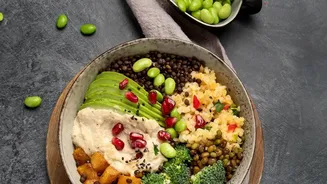
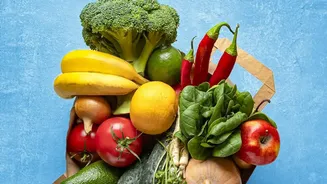
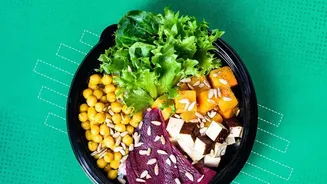
While protein is crucial, it doesn't work in isolation. Carbohydrates are essential for replenishing glycogen, your muscles' primary fuel source, which gets depleted during exercise. Good vegan sources include sweet potatoes, oats, bananas, and whole grains. Furthermore, plant-based diets are naturally rich in antioxidants and anti-inflammatory compounds found in colourful fruits and vegetables. Berries, leafy greens like spinach, and beets can help reduce muscle soreness and support faster recovery. A well-rounded post-workout meal should therefore contain a mix of protein, complex carbs, and colourful produce to cover all your recovery needs.