




Know What to Look For
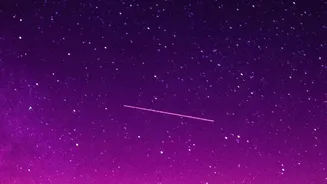
Late August 2026 offers a few celestial treats. While the spectacular Perseid meteor shower peaked around August 12-13, you might still catch a few stray meteors in the days following. The real stars of the show, however, are the planets. Look for brilliant
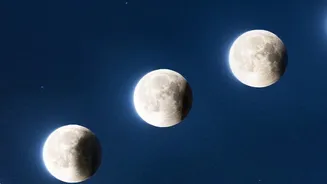
Venus in the western sky shortly after sunset. Saturn will be visible rising in the east in the evening, while reddish Mars makes an appearance in the early morning hours before dawn. The biggest challenge for viewing in much of India is the monsoon, so your success will depend heavily on finding a clear patch of sky. A partial lunar eclipse will occur on August 28, but it unfortunately won't be visible from India.
Choose Your Celestial Theatre
The single most important factor for good stargazing is a dark sky, far from the light pollution of cities. India has several designated and unofficial dark sky locations perfect for this. For the clearest, most reliable skies, especially during the monsoon season, the high-altitude deserts of Ladakh and Spiti Valley are unparalleled. Hanle in Ladakh is home to India's first official Dark Sky Reserve and offers breathtaking views. Other excellent options that are less prone to monsoon clouds include the Rann of Kutch in Gujarat and the Thar Desert near Jaisalmer, Rajasthan, both of which offer vast, unobstructed horizons. If you're in the south, areas around Coorg in Karnataka provide good opportunities, though cloud cover can be a factor. Even finding a spot a couple of hours outside a major city can make a huge difference.
Pick the Perfect Night
Timing is everything. Besides checking the weather forecast for clear skies, you need to consider the Moon. A bright moon can wash out all but the brightest stars and planets. The new moon on August 12 created ideal dark-sky conditions for the Perseids. As the month progresses, the Moon will become fuller, culminating in a Full Moon on August 28. This means the nights in the third week of August, from around the 19th to the 24th, will have a waxing moon that sets earlier, leaving the later part of the night darker for deeper sky viewing. For the last week of August, the bright gibbous and full moon will dominate the sky for most of the night, making it harder to see fainter objects.
Gather Your Stargazing Essentials
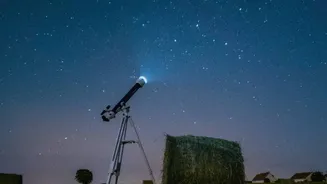
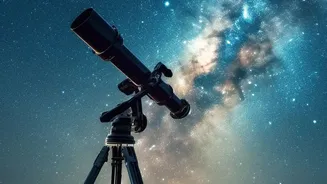
You don’t need a professional telescope to have a great time. In fact, many celestial wonders are best viewed with the naked eye or a simple pair of binoculars. Start with a comfortable blanket or chair. Pack warm layers, as even summer nights can get chilly, especially at higher altitudes. A red-light torch is crucial; a regular white flashlight will ruin your night vision, which can take up to 30 minutes to fully adjust to the dark. For navigating the constellations, download a stargazing app like Star Walk 2 or Stellarium on your phone. Finally, bring along some snacks and a warm drink to make the experience even more enjoyable.
Settle In and Be Patient
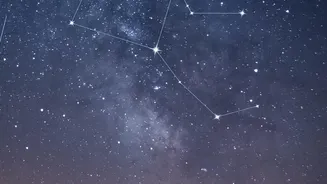
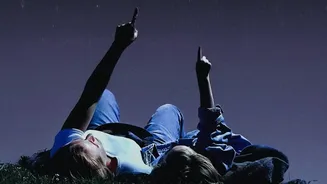
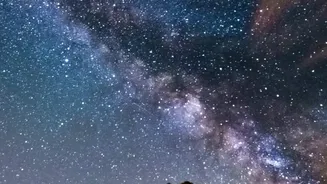
Once you’ve reached your spot and set up your gear, the most important step is to simply give your eyes time to adapt. Turn off all lights, including your phone screen, and allow at least 20-30 minutes for your pupils to fully dilate. You will be amazed at how many more stars become visible as your eyes adjust. Start by trying to identify the most prominent constellations or planets. Use your star chart app to get oriented, then put the phone away to preserve your night vision. Look for the faint, milky band of our own galaxy, the Milky Way, which is often visible from truly dark sites. The beauty of stargazing isn't just about ticking objects off a list; it's about the quiet awe of observing the universe unfold above you.