




Days 1-2: Jaipur, the Epicentre of Craft
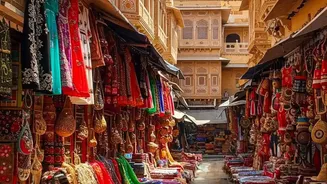
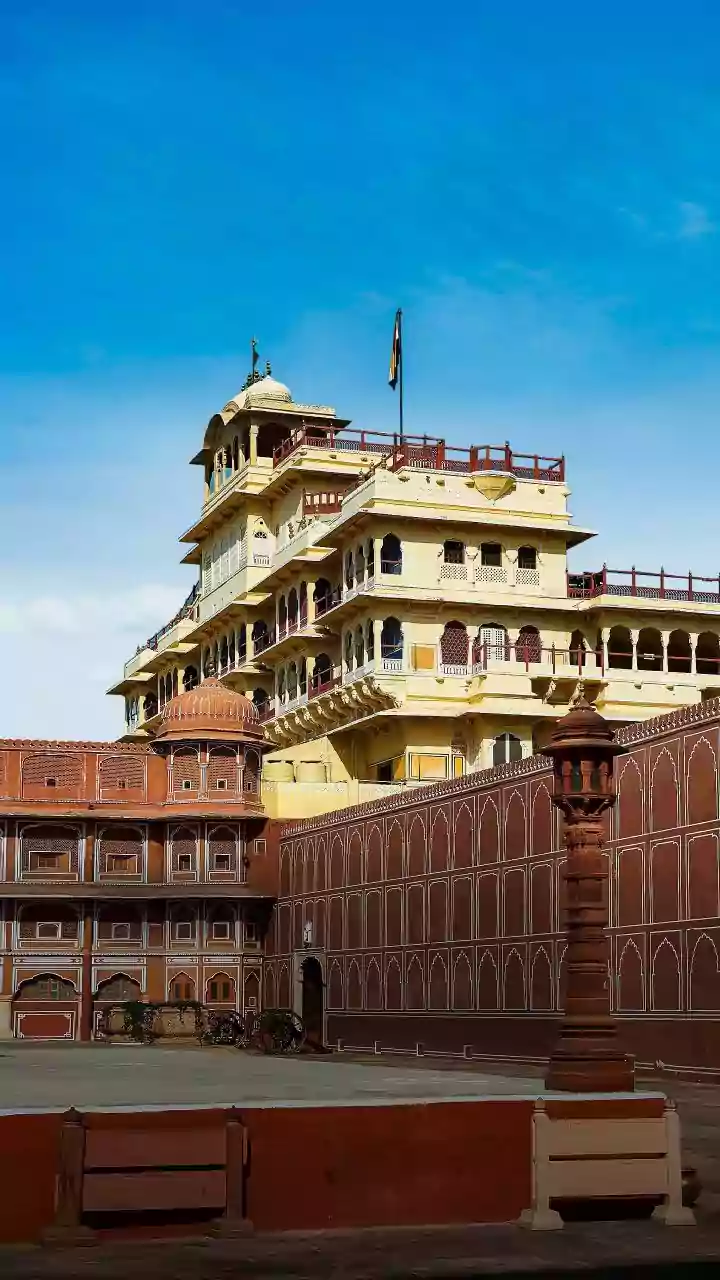
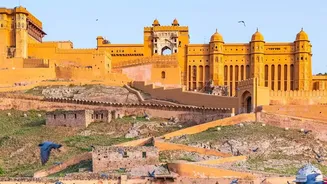
Our journey begins in Jaipur, the Pink City, a bustling hub where ancient craft traditions thrive. The first mission is to find authentic brassware. While shiny trinkets are everywhere, the real magic lies in finding durable, handcrafted pieces. The old
city's Tripolia Bazaar is famous for its metalworkers, known as Thatheras, whose craft of hammering brass and copper utensils is recognised by UNESCO. Here, the air hums with the rhythmic sound of hammers shaping metal. For a more curated experience, showrooms like Indian Art Villa offer a vast collection of high-quality brass thali sets, serving bowls, and decorative items, ensuring authenticity and craftsmanship. These pieces are not just souvenirs; they are functional art, imbued with cultural significance and believed to radiate positive energy. A well-chosen brass pot or a set of tumblers carries the weight of a tradition passed down through generations.
Days 3-4: The Villages of Block Printing
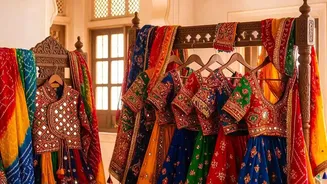
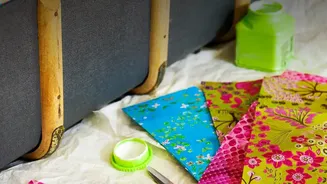
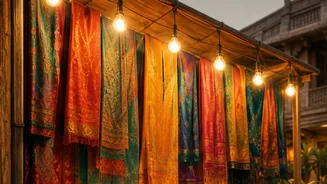
From Jaipur's metal heart, we travel to the outskirts, to the villages of Sanganer and Bagru, the soul of Rajasthan's famous block printing. These two villages, though geographically close, offer distinct styles. Sanganer, located about 16 km from Jaipur, is known for its delicate floral motifs, often printed on a pristine white background. The craft, historically patronised by royalty, has a refined elegance. In contrast, Bagru, about 32 km west of Jaipur, presents a more rustic, earthy aesthetic with bold, geometric patterns and a palette derived from natural dyes like indigo and madder. Visiting these villages offers more than just a shopping opportunity; many workshops allow you to witness the entire process, from the carving of wooden blocks to the dyeing and printing. Participating in a workshop, even for a few hours, connects you to the fabric in a profound way. Holding a freshly printed piece, you appreciate the slight imperfections that are the signature of a handmade treasure.
Day 5: Antique Hunting in Jodhpur
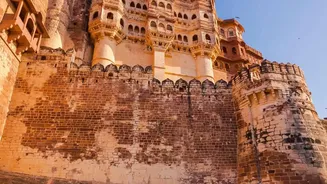
The final day takes us to the Blue City, Jodhpur, to search for unique brass pieces and antiques. The area around the Clock Tower and Sardar Market is a treasure trove for shoppers. Unlike the polished new brass of Jaipur, Jodhpur's markets are where you might find older, more characterful items. The shops near Sojati Gate and on Umaid Bhawan Palace road are known for their antique collections, offering everything from small decorative items to larger, statement pieces. Here, shopping feels like a treasure hunt. You might find a vintage brass lassi cup or an intricately engraved tray that tells a story of a bygone era. For guaranteed quality, government-run emporiums like Rajasthali are a reliable option, though they have fixed prices.
A Guide to Mindful Shopping
Bringing home these crafts requires a mindful approach. When buying textiles, look for the slight colour bleeding on the reverse side, a hallmark of genuine hand-blocking. For brassware, assess the weight and finish; handcrafted items often have a satisfying heft and unique hammer marks that machine-made pieces lack. Bargaining is expected in most local bazaars, so engage with a smile and be prepared to negotiate. However, the most important tip is to connect with the artisans whenever possible. Buying directly from the maker not only ensures they receive a fair price but also transforms a simple transaction into a meaningful exchange, giving you a story to share every time you look at your chosen piece. Whether it's a Sanganeri quilt or a hammered brass bowl, these items are more than just decor; they are tangible pieces of Rajasthan's enduring cultural legacy.