



Deconstructing the Cosmic Buzzword
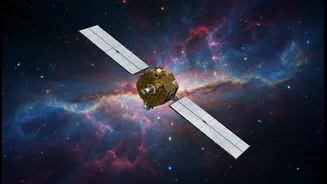
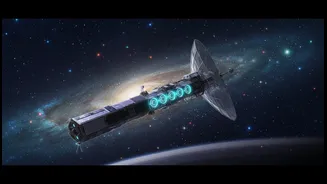
First, let's be clear: 'Waking Outer Rim Explorers' doesn't refer to a specific, crewed mission. Instead, think of it as a powerful conceptual banner for a series of groundbreaking discoveries arriving from our most advanced deep-space probes. These robotic
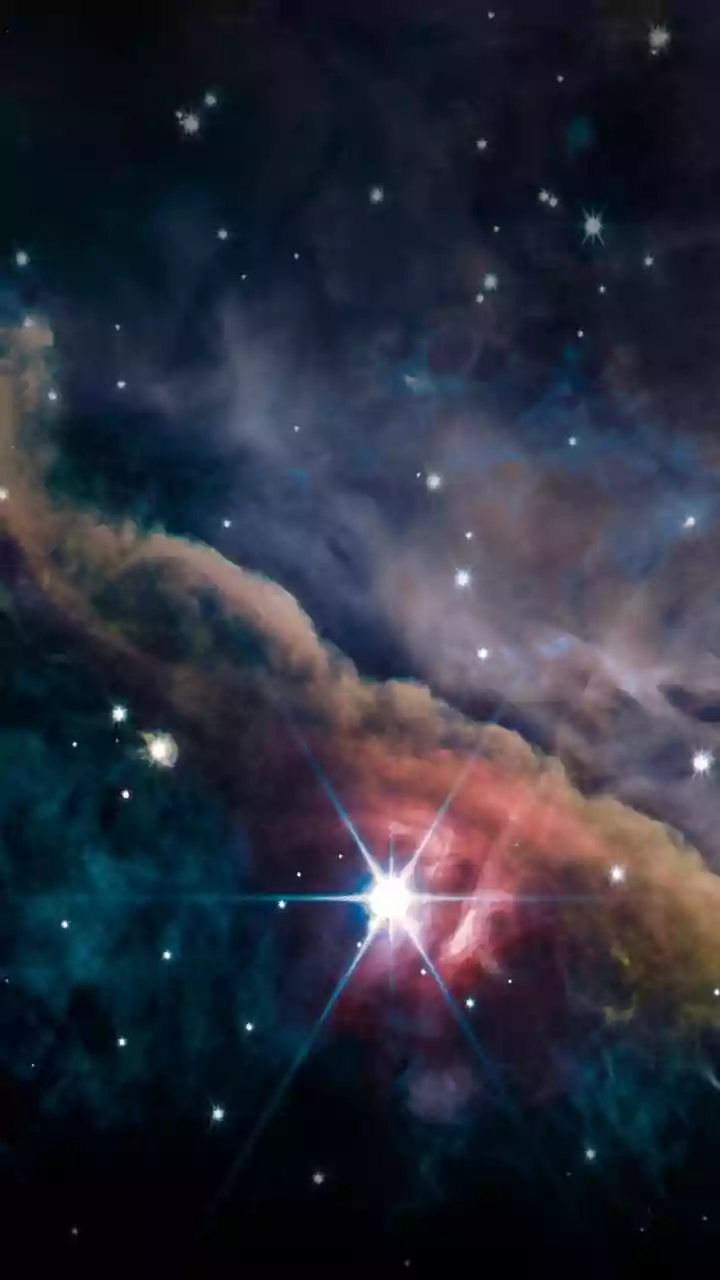
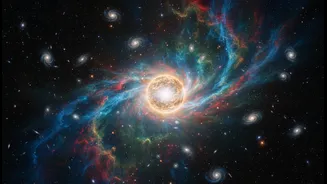
explorers, like the James Webb Space Telescope and other observatories, are now peering so far into the universe's past that they are effectively 'waking up' our understanding of the galaxy's dawn. They are sending back data from the 'Outer Rim' of cosmic time, revealing the secrets of the very first stars and galaxies. This torrent of new information, including recent revelations about galaxies forming much faster than previously believed, is challenging old models and sparking a new, vibrant conversation about our cosmic origins.
Unlocking the Galaxy’s Baby Pictures
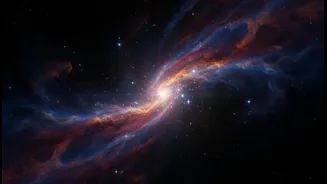
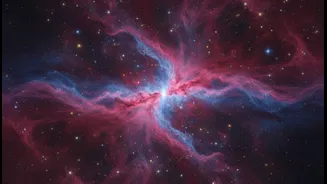
At the heart of this curiosity are 'Primordial Galactic Foundations'. This term refers to the earliest building blocks of our Milky Way. For a long time, the first generation of stars—known as Population III stars—were purely theoretical. These were giants, composed only of the hydrogen and helium from the Big Bang, living short and brilliant lives before exploding and seeding the universe with the first heavy elements. We have never directly seen one, but their chemical fingerprints are sought in the second generation of stars, a field sometimes called 'stellar archaeology'. Recent discoveries of unexpectedly mature galaxies in the early universe, like JADES-GS-z14-0 which existed just 290 million years after the Big Bang, have turned theory into a tangible puzzle that is captivating both scientists and the public. It's as if we've found our galaxy's baby pictures, and they're not what we expected.
From Ancient Jyotisha to Modern Telescopes
This newfound interest has found uniquely fertile ground in India, a nation with a profound and ancient connection to astronomy. Long before modern telescopes, Indian astronomers made remarkable contributions. The roots of Indian astronomy can be traced to Vedic texts from as early as 1500 BCE, which contain sophisticated concepts about the calendar and celestial movements. Luminaries like Aryabhata in the 5th century CE proposed a model where the Earth spins on its axis and correctly explained eclipses, centuries ahead of similar European theories. This deep cultural heritage, where the cosmos is intertwined with philosophy and daily life (Jyotisha), provides a rich context for the public to engage with new discoveries. Today’s curiosity isn’t new; it’s a modern expression of a timeless Indian pursuit of cosmic knowledge.
ISRO's Ambition and National Pride
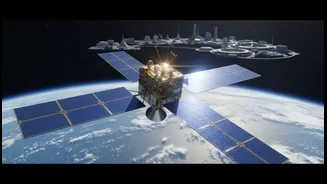
The excitement is also amplified by national pride in the Indian Space Research Organisation (ISRO). With landmark achievements like the Chandrayaan missions to the Moon and ambitious plans for the future, ISRO has cemented India’s status as a major player in space exploration. The upcoming Gaganyaan missions, which aim to send Indian astronauts into orbit, represent a monumental step. Furthermore, ISRO has future deep space missions on the drawing board, including orbiters to Venus and collaborations on lunar exploration, which promise to keep India at the forefront of discovery. When global science announces breakthroughs about galactic origins, it resonates deeply with a public that sees its own country contributing to humanity's outward journey. This creates a powerful feedback loop where international discoveries inspire national pride and support for domestic science.
A New Generation Looks Up
Finally, the digital age has democratised access to the cosmos. Complex astrophysics is no longer confined to academic journals. It’s the subject of viral social media threads, stunning visualisations, and accessible documentaries. In India, a growing network of amateur astronomy clubs, university outreach programs, and public science events are flourishing, bringing the wonders of the universe to an ever-wider audience. Organizations like the Astronomical Society of India are fostering a vibrant community, while initiatives like LIGO-India are engaging students nationwide. This digital and grassroots ecosystem ensures that when a concept like 'Waking Outer Rim Explorers' emerges, it spreads rapidly, sparking debate, wonder, and a shared sense of discovery across the country.