



Landslides and Unstable Slopes
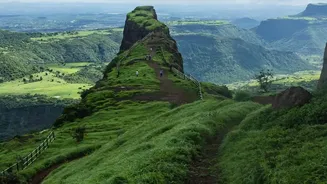
The most significant danger of monsoon travel in the hills is landslides. Heavy rains saturate the soil, making steep slopes unstable and prone to collapse, often with little warning. These events can block roads for hours or even days, stranding travellers
and cutting off access to entire regions. Areas in the Himalayas and Western Ghats are particularly vulnerable. Before you travel, check the India Meteorological Department (IMD) for any active landslide warnings or heavy rainfall alerts ('Orange' or 'Red'). Avoid travelling during peak downpours and never park your vehicle near steep slopes or areas with visible signs of soil erosion.
Treacherous and Unpredictable Roads
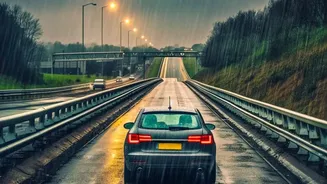
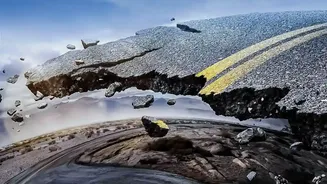
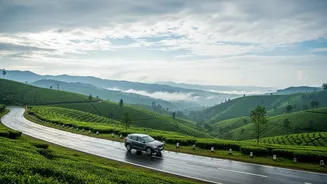
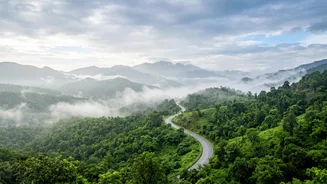
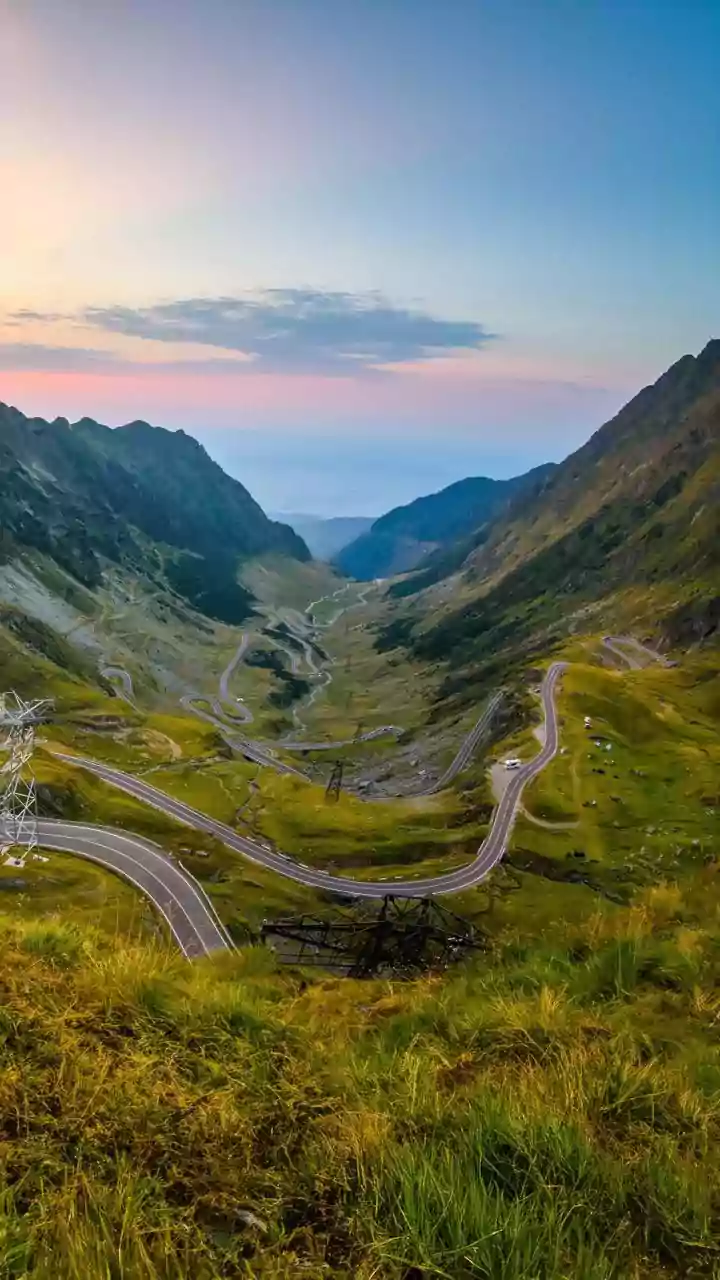
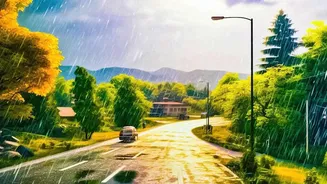
Monsoon rains can wreak havoc on mountain roads. Surfaces become extremely slippery, and visibility is often poor due to heavy rain and fog. Potholes and damaged sections of road can be hidden by water, posing a serious risk to vehicles. Beyond slippery conditions, roadblocks from fallen trees or debris are common. It's crucial to ensure your vehicle is in top condition, with good tyres and working brakes. Drive slowly, maintain a safe distance from other cars, and avoid night driving when hazards are harder to spot. It is also wise to have a buffer day in your itinerary to account for potential delays.
Flash Floods and Swollen Rivers
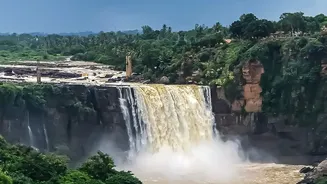
What might be a gentle stream in the summer can become a raging torrent within minutes during a monsoon downpour. Flash floods are a serious risk, especially in low-lying areas and near riverbeds. The force of the water can wash away small bridges and causeways, making crossings extremely dangerous. Never attempt to drive through a flooded road, as it's difficult to judge the water's depth and current. Avoid camping or staying too close to rivers and streams, no matter how calm they appear. Always heed local advice and stay away from overflowing water bodies.
Health and Hygiene Concerns
The monsoon is a breeding season for mosquitoes and germs. The risk of contracting mosquito-borne diseases like dengue and malaria increases significantly. Stagnant water, common during this season, is a perfect breeding ground. Furthermore, water contamination raises the risk of water-borne illnesses such as typhoid, cholera, and gastroenteritis. To stay safe, use mosquito repellent, wear full-sleeved clothing, and drink only bottled or boiled water. Avoid street food, especially items that may have been washed with or exposed to unclean water. Packing a well-stocked first-aid kit with essential medications is also highly recommended.
Communication and Power Outages
Heavy rains and storms can easily damage infrastructure, leading to power cuts and disrupted mobile networks, particularly in remote areas. Finding yourself without a working phone or internet can be stressful and dangerous in an emergency. Before you leave, inform your family and friends of your detailed itinerary. Carry fully charged power banks to keep your devices running. It’s also a good idea to download offline maps of the region you plan to visit, so you can navigate even without a data connection.