



Prepare Your Vehicle Before the Skies Open
The safest rainy-day drive begins before you even turn the key. A pre-monsoon check is essential. Start with your tyres, which are your only connection to the road. Ensure they have adequate tread depth to channel water away and prevent slipping. [2,
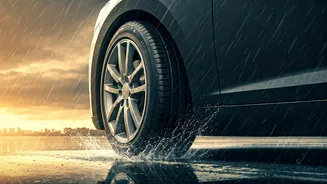
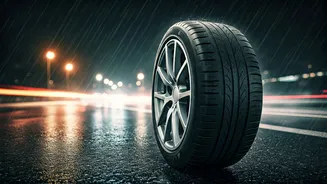
18] Worn-out tyres are a primary cause of hydroplaning. [8] Check and maintain the recommended tyre pressure, as incorrect pressure affects grip and braking. [2, 3] Next, inspect your windshield wipers. If they leave streaks or make noise, replace them immediately for a clear view. [2, 4] Finally, confirm all your lights—headlights, tail lamps, brake lights, and indicators—are working perfectly. [2, 13] Proper visibility is crucial, not just for you to see, but for others to see you. [4]
Slow Down and Increase Following Distance
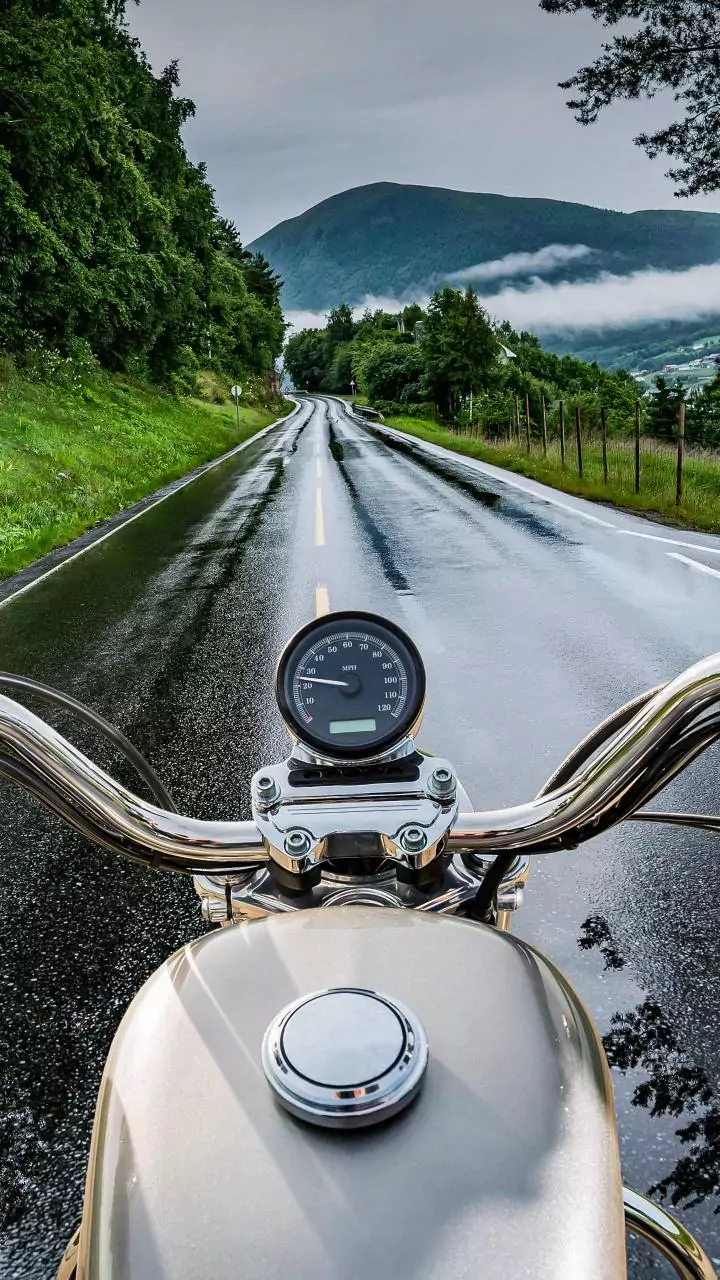
This might be the most repeated advice, but it is also the most critical. Wet roads significantly increase your vehicle’s stopping distance. [5, 20] As a rule, reduce your speed by at least a third and increase the gap between you and the car ahead. The standard “three-second rule” should be extended to four or more seconds in the rain. [9] This extra space gives you more time to react to sudden stops or hazards, which are common during a downpour. [20] High speed is a major factor in hydroplaning incidents, so easing off the accelerator is your best defence. [7, 10] Also, it's wise to switch off cruise control so you remain in complete manual command of your speed and reactions. [9, 15]
Mastering Visibility: See and Be Seen
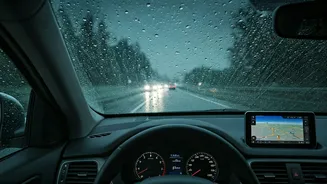
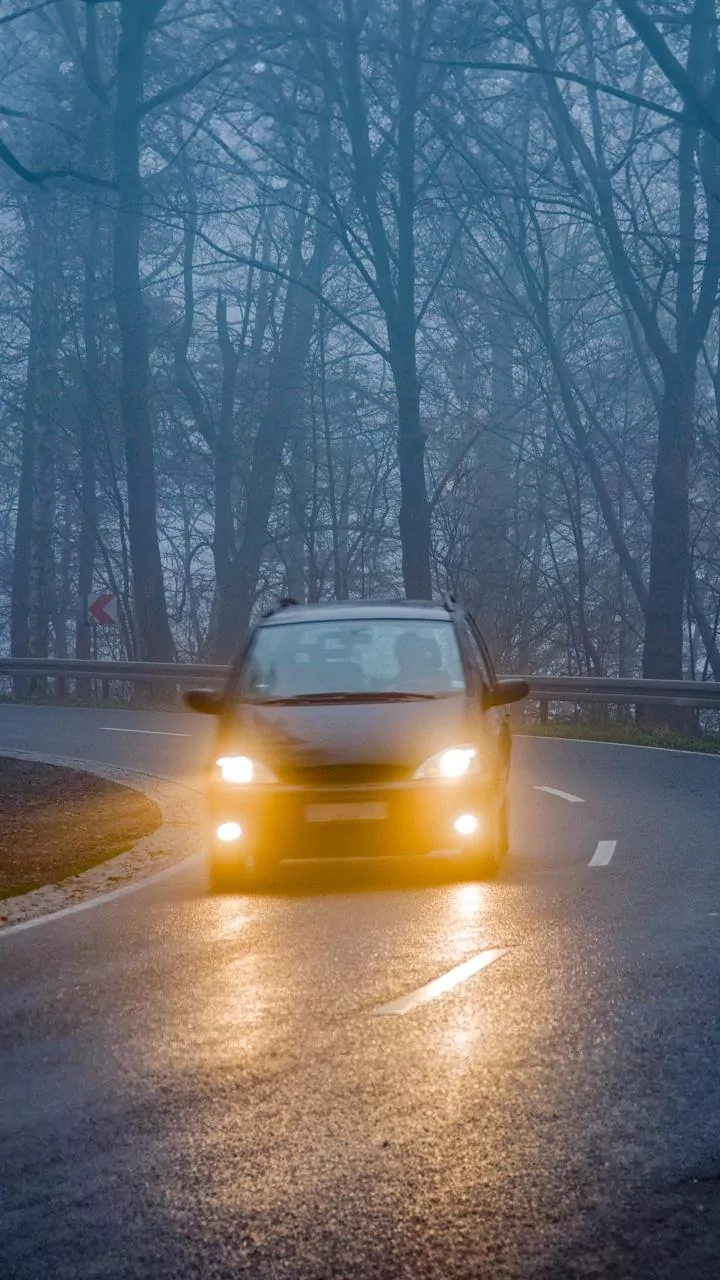
Heavy rain drastically reduces visibility. The first step is to turn on your low-beam headlights, even during the day. [7] This makes your vehicle more visible to other drivers and pedestrians. [4] Avoid using high beams, as the light can reflect off the raindrops and create glare, worsening your vision. [7] If your car fogs up, use the defogger and air conditioning system to clear the windshield and windows. [4] Be wary of the spray from larger vehicles like buses and trucks, which can momentarily blind you. If you get stuck behind one, it's safer to hang back or find a safe opportunity to move to a different lane. [11]
Understanding and Handling Hydroplaning
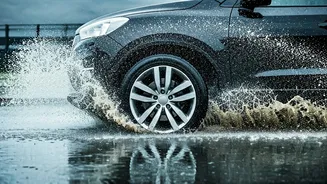
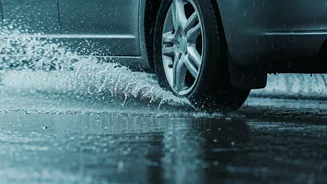
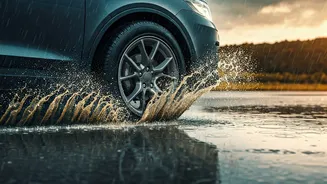
Hydroplaning, or aquaplaning, happens when a layer of water builds up between your tyres and the road surface, causing a loss of traction and control. [7, 8] It can feel like the car is floating or drifting. If this happens, do not panic and do not slam on the brakes. [3, 6] Instead, ease your foot off the accelerator and hold the steering wheel steady, steering gently in the direction you want to go. [10, 12] As the vehicle slows, the tyres should regain contact with the road. To avoid it, steer clear of puddles and standing water when possible and, most importantly, keep your speed down. [3, 6]
Navigating Waterlogged Roads and Potholes
Indian roads during the monsoon are notorious for waterlogging and hidden potholes. It's often impossible to judge the depth of a flooded street. As little as six inches of water can cause you to lose control, and a foot can carry away a small car. [14, 17] The best advice is to turn around and find an alternate route. [14] If you must proceed, do so slowly and in a low gear. After passing through water, gently tap your brakes to help dry them out. [5, 20] Avoid driving on the painted lines of the road, like zebra crossings, as they become extremely slippery when wet. [7]
When in Doubt, Pull Over
There are times when the rain is simply too heavy to drive safely. If visibility drops to a point where you can barely see the vehicle in front of you, or if you feel overwhelmed by the conditions, it is safest to pull over. [17] Find a safe spot away from traffic, like a rest area or a well-lit shoulder, and turn on your hazard lights to signal that you are stopped. [4] Remember that getting stuck in traffic is a high probability during the monsoon, so it's always a good idea to have a full tank of fuel, a charged phone, and some emergency supplies like water and snacks. [5]