




As winter smog descends, we shut our windows, believing we're safe inside. But the haze outside has a sneaky way of getting in, turning our homes into invisible traps for pollution. Here’s why your indoor air may not be as clean as you think.
The Myth of a Sealed Home
You've sealed
your windows and doors, but your home is not an airtight fortress. Outdoor pollutants, especially the tiny, dangerous PM2.5 particles that define winter smog, are experts at infiltration. They seep in through countless small openings: tiny cracks around window frames, gaps under doors, and through ventilation systems. This process, called infiltration, means that even on days when the AQI is hazardous, a significant percentage of outdoor pollution makes its way inside, where it can accumulate. Because there are no winds to disperse them, these pollutants can linger and build up, sometimes making indoor air as polluted as the air outside.
The Enemy Within: Your Home's Own Pollution
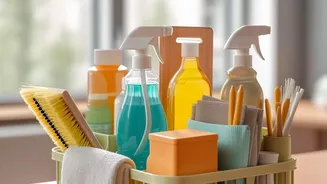
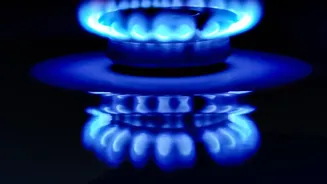
The problem isn't just what comes from outside. Our homes generate their own pollution, creating a toxic cocktail when mixed with incoming smog. Everyday activities are major culprits. Cooking, especially frying and grilling, releases particulate matter and other pollutants. Cleaning products, air fresheners, paints, and even new furniture can release chemicals called Volatile Organic Compounds (VOCs). These VOCs can cause everything from headaches to long-term health issues. Other sources include burning incense, using mosquito repellents, and the simple act of dusting, which can kick up allergens and settled particles. During winter, when ventilation is low to keep the cold out, these indoor pollutants get trapped, compounding the health risk.
Health Risks You Can't See
The pollutants that make up this indoor-outdoor mix are invisible but potent. PM2.5 particles are so small—about 30 times thinner than a human hair—that they can bypass your body's natural defenses, penetrate deep into your lungs, and even enter your bloodstream. Short-term exposure can cause eye, nose, and throat irritation, coughing, and shortness of breath. For children, the elderly, and those with pre-existing conditions like asthma or heart disease, the risks are far greater, potentially triggering severe attacks and respiratory infections. Long-term exposure to these particles is linked to serious health problems, including chronic respiratory diseases, heart attacks, strokes, and even cancer.
Your Action Plan for Cleaner Air
Taking control of your indoor air quality is crucial. The most effective step is investing in a portable air purifier with a High-Efficiency Particulate Air (HEPA) filter. A HEPA filter is designed to capture at least 99.97% of particles that are 0.3 microns in size, which includes dust, pollen, and the dangerous PM2.5 from smog. Place the purifier in the room where you spend the most time, like your bedroom. While purifiers are highly effective against particles, many models also include activated carbon filters to remove VOCs and odours. Beyond purifiers, try to minimize indoor pollution sources. Use an exhaust fan while cooking, choose low-VOC cleaning products, and avoid scented candles and air fresheners. Regular cleaning with a damp cloth or a vacuum with a HEPA filter can also trap dust and allergens.
Ventilation: A Balancing Act
While keeping windows shut during heavy smog is wise, a completely sealed home is also unhealthy as it traps indoor-generated pollutants. The key is smart ventilation. Monitor the outdoor AQI through a reliable app or website. On days when the air quality improves, even for a few hours, open your windows to flush out the stale indoor air. However, avoid ventilating during peak traffic hours when pollution is typically at its worst. Running bathroom and kitchen exhausts can also help pull polluted air out of specific rooms. This careful balance ensures you are removing indoor contaminants without letting in a fresh wave of outdoor smog.