


Rediscovering India's Nutritional Heritage
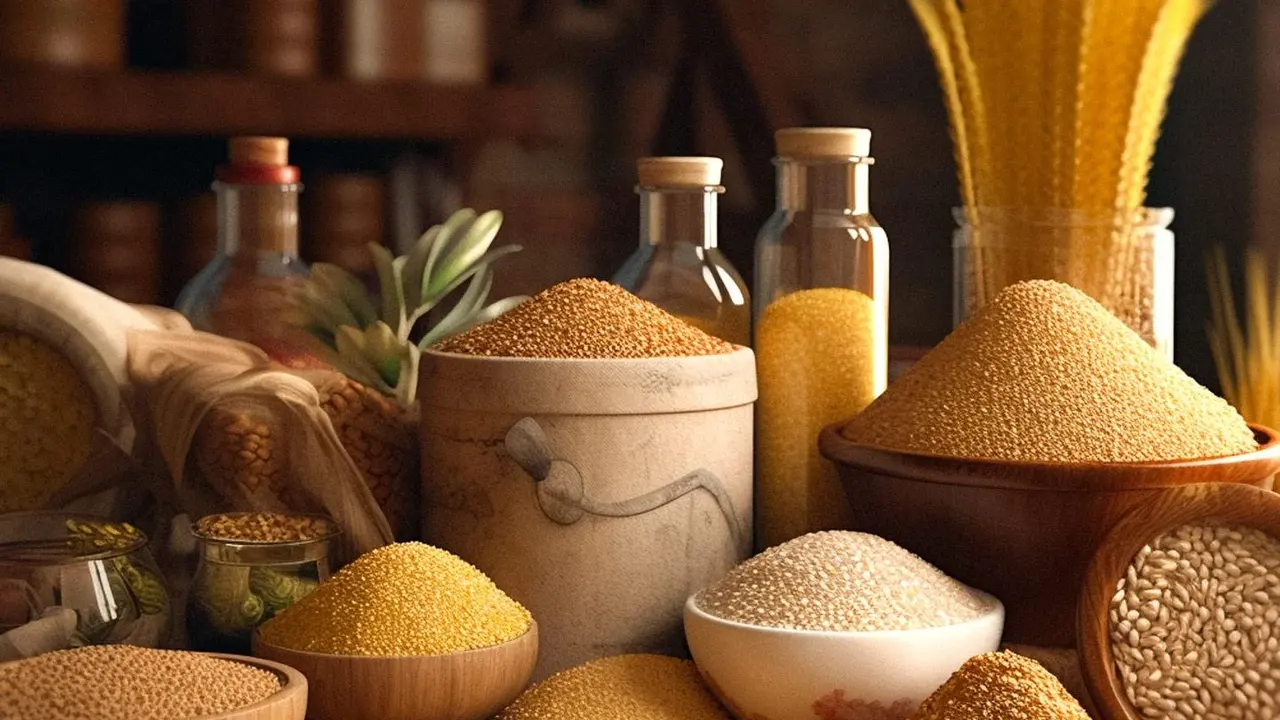
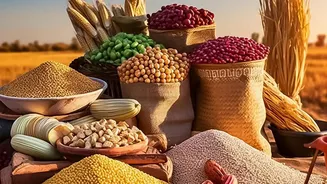
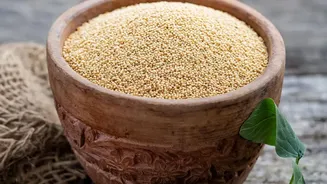
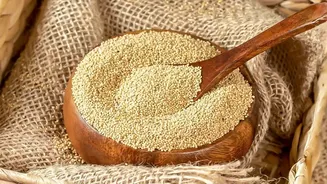
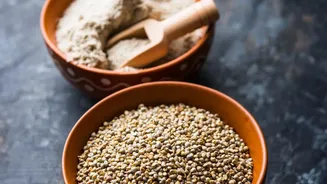
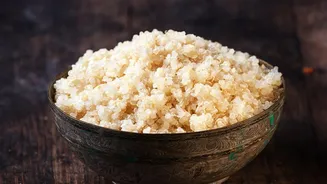
Before packaged atta became a kitchen staple, households across India relied on a diverse array of grains. Millets like jowar (sorghum), bajra (pearl millet), and ragi (finger millet), along with amaranth (rajgira) and ancient wheat varieties like khapli
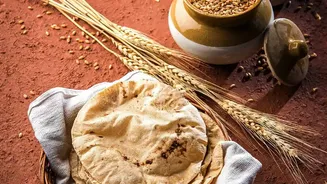
(emmer), were the foundation of daily meals. These are what we now call 'ancient grains'—crops that have been cultivated for thousands of years and remain largely unchanged by modern plant breeding. For generations, these grains were a cornerstone of Indian food culture, from bajra rotis in Rajasthan to jowar bhakri in Maharashtra. Today, there is a renewed appreciation for these grains, not as a fleeting trend, but as a return to our nutritional roots.
The Magic of Milling Fresh at Home
The single biggest advantage of grinding your own flour is the incredible boost in flavour, aroma, and nutrition. The moment a grain is milled, its nutrients, particularly B vitamins and vitamin E, begin to degrade as they are exposed to air. Store-bought flour can sit on a shelf for weeks or months, losing much of its vitality. Freshly milled flour, however, retains the entire grain—the fibrous bran, the nutrient-packed germ, and the starchy endosperm. This results in a flour that is not only richer in fibre, vitamins, and minerals but also has a noticeably nuttier, more complex taste that you simply cannot get from a bag. This practice is a modern take on the traditional chakki (home mill), giving you complete control over what goes into your family's food.
Why Roast Grains Before Grinding?
Toasting your grains in a dry pan or in the oven before milling is a simple step that yields amazing results. Roasting deepens the natural flavours, caramelising the sugars within the grains to produce a richer, nuttier, and more aromatic flour. This process also reduces the moisture content, which can make some grains easier to grind and may even extend the shelf life of your flour. Furthermore, the heat can deactivate certain enzymes that might otherwise lead to spoilage, ensuring your flour stays fresh for longer. For grains like wheat, however, be mindful that excessive heat can damage gluten potential, so a light toasting is often best.
A Simple Guide to Home Grinding
You don't need a traditional stone mill to start grinding flour at home. A powerful, high-speed blender (with a dry container) or even a dedicated coffee grinder can process small batches of grains like millets and amaranth effectively. For those looking to make it a regular practice, investing in an electric grain mill is a great option. To begin, simply add your chosen roasted and cooled grains to the grinder and process them until you achieve a fine, flour-like consistency. You may need to work in batches to avoid overheating the appliance. One cup of whole grains will typically yield about one-and-a-half to two cups of fresh flour.
Perfecting Your Ancient Grain Rotis
Making rotis with fresh, gluten-free millet flour is slightly different from using wheat atta, but the results are worth it. The key is hydration. Because these flours lack gluten, they need hot water to help them form a soft, pliable dough. A common technique involves bringing water to a boil, turning off the heat, and then mixing in the millet flour until a dough forms. After letting it cool slightly, knead it into a smooth ball. This dough can be a bit delicate, so rolling it between sheets of parchment paper can prevent sticking and tearing. Cook on a hot tawa, pressing gently with a spatula to encourage puffing, and serve hot with a touch of ghee.
Fluffy Pancakes with a Nutty Twist
The versatility of ancient grain flours shines in breakfast staples like pancakes. Flours like spelt, rye, and einkorn add a wonderful nutty flavour and tender texture that elevates a simple pancake into something special. You can start by substituting a portion of your regular flour with a fresh-milled ancient grain flour. Because these flours absorb liquid differently, it's a good idea to let the batter rest for 5-10 minutes before cooking. This allows the starches to fully hydrate, resulting in a better texture. Pair your ancient grain pancakes with classic toppings like maple syrup or try savoury combinations to complement their earthy flavours.