





1. The Bold Paint Approach
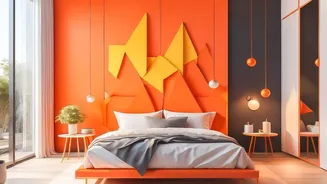
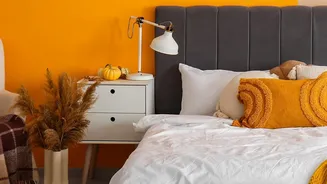
The most straightforward and popular way to create an accent wall is with a contrasting paint colour. Choosing a shade that is at least two to three shades darker or lighter than the surrounding walls will create a clear focal point. In the living room,
a deep navy, charcoal, or forest green behind the sofa can anchor the space and add a touch of drama. For bedrooms, these deeper tones behind the bed can create a cosy, cocoon-like feeling. When selecting a colour, consider the room's undertones—warm hues like terracotta create inviting spaces, while cool tones like soft blue promote calmness. Also, think about the room’s natural light; brighter rooms can handle saturated colours, while darker spaces may benefit from a strategic pop of colour that doesn't feel overwhelming.
2. Textured and Patterned Wallpaper
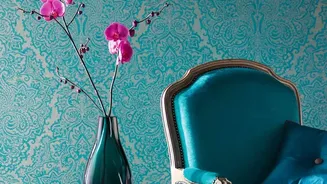
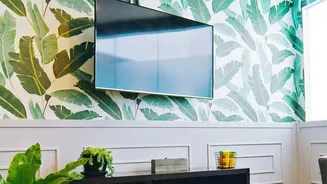
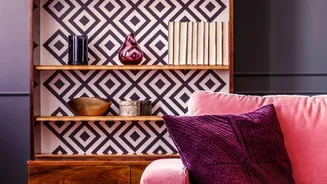
Wallpaper introduces both colour and texture, instantly elevating a room’s character. For a classic and sophisticated look, consider a faux grasscloth or linen texture, which adds subtle depth and a natural feel. These work exceptionally well in bedrooms, creating a soft, layered backdrop for the bed. In living rooms, a bold geometric or large-scale botanical print can turn a wall into a work of art. Modern peel-and-stick wallpapers make this a manageable DIY project and are often renter-friendly. When choosing a pattern, think about scale; a large pattern can make a small room feel more expansive, while a small, busy pattern might feel cluttered. The key is to select a design that complements your existing furniture and decor.
3. Wood Panelling and Shiplap
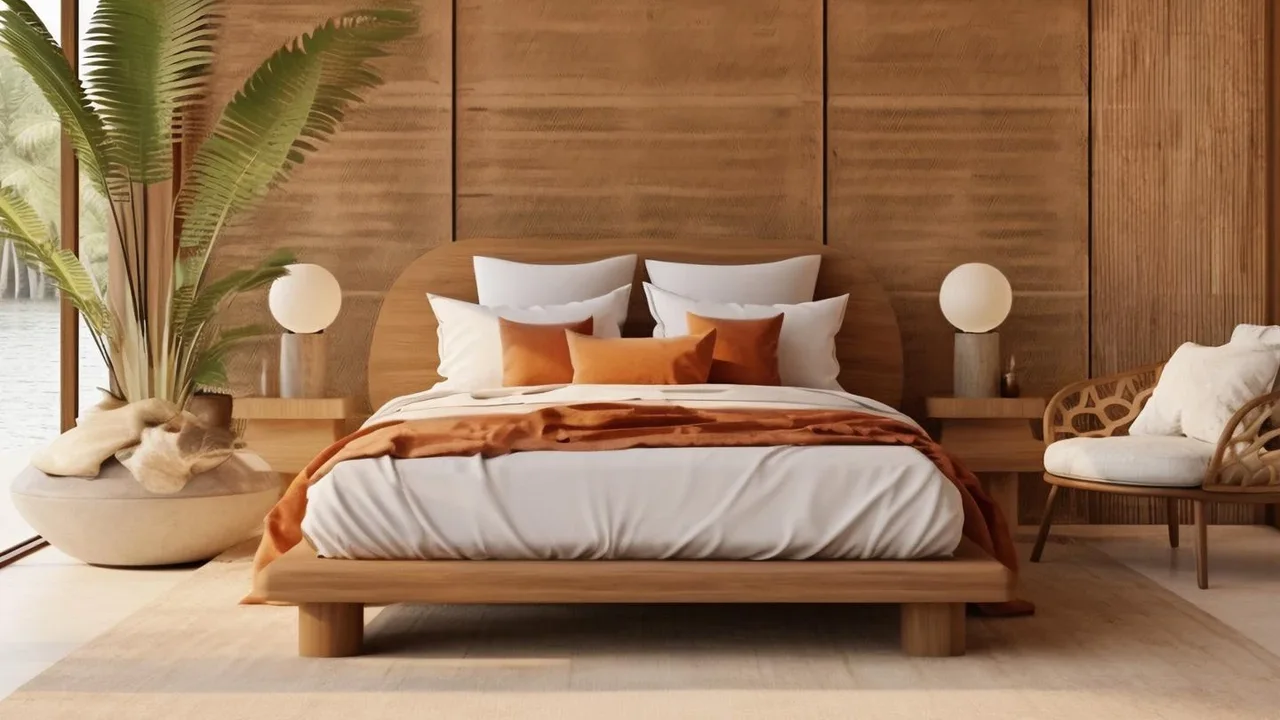
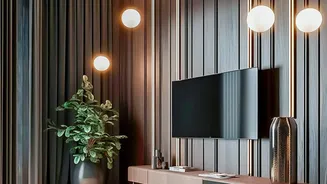
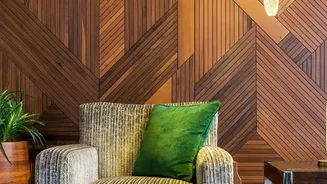
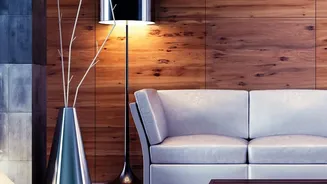
Wood accent walls bring natural warmth and texture into a space, suiting styles from rustic to modern. Horizontal shiplap is a hallmark of farmhouse design, making a living room or bedroom feel relaxed and inviting. For a more contemporary look, vertical wood slats can make ceilings appear higher and add a sleek, architectural element. Materials like walnut, oak, or even reclaimed barn wood add unique character. You don't have to use real wood; lightweight faux wood panels offer a similar aesthetic and are often easier to install. A dark wood wall can create a moody, sophisticated atmosphere, while a whitewashed or light wood finish keeps the space feeling bright and airy.
4. Architectural Moulding and Trim
For a timeless and elegant look, use moulding to create architectural interest. Board and batten, which uses vertical boards spaced apart by thin strips, adds a clean, structured feel that works well in both bedrooms and living rooms. Another classic option is picture frame moulding, where trim is used to create a series of rectangular boxes on the wall for a sophisticated, traditional look. For a more modern take, you can create a custom geometric design using thin wood or MDF trim. Painting the moulding and the wall the same colour—a technique called colour drenching—creates a subtle, textured effect that relies on light and shadow for impact.
5. Exposed Brick and Stone Veneer
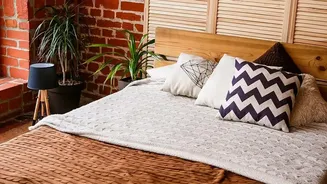
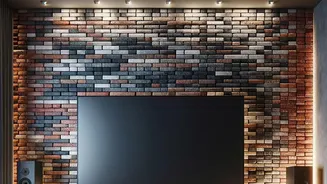
An exposed brick wall adds a sense of history and industrial charm that is hard to replicate. It provides a rich, tactile surface that serves as a stunning backdrop in a living room behind a media console or in a bedroom as a headboard wall. If you don't have an original brick wall to expose, lightweight brick veneers offer a realistic alternative that is much easier to install. The colour of the brick can define the mood; traditional red brick adds warmth, while whitewashed brick creates a softer, more rustic or Scandinavian feel. This style pairs beautifully with natural materials like wood and leather, as well as modern, minimalist furniture for a compelling contrast of old and new.