








The Allure of Monsoon Travel
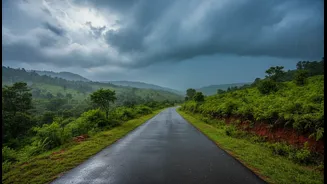
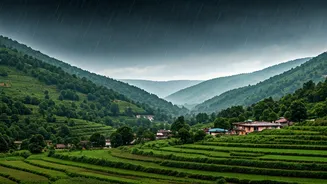
While many shy away from travelling between June and September, the monsoon season is India’s best-kept travel secret. The countryside erupts in vibrant shades of green, waterfalls roar back to life, and popular tourist spots become quiet, serene getaways.
For nature lovers and photographers, the misty hills and rain-washed landscapes offer unparalleled beauty. Moreover, the off-season timing often means lower prices for flights and hotels, allowing for a more budget-friendly and authentic experience with fewer crowds. Destinations like Coorg, Munnar, Udaipur, and Shillong are particularly magical during this time, offering lush scenery and a romantic atmosphere.
Why Rigidity Leads to Ruin
The primary challenge of monsoon travel is unpredictability. Heavy rains can lead to sudden flight delays or cancellations, waterlogged roads, and even landslides, particularly in hilly regions. A rigidly planned trip with tight connections and non-refundable bookings can quickly turn into a logistical nightmare. Imagine being stuck because a road is blocked or your flight is grounded, with no room in your schedule or budget to adapt. This is where last-minute panic sets in, as travellers scramble to find alternatives, often at inflated prices. The very nature of the season demands a different approach—one built on adaptability.
Booking with a Buffer
The cornerstone of a stress-free monsoon trip is flexible booking. When booking flights, it's wise to opt for fares that allow low-cost or free changes and cancellations, even if they cost a little extra. This small premium acts as insurance against weather disruptions. Similarly, when booking accommodation, use filters to search for properties with flexible cancellation policies. This gives you the freedom to change your destination at the last minute if a severe weather warning is issued for your original choice. Always read the fine print to understand the difference between a cash refund and a travel credit.
Smarter Itinerary Planning
Flexibility extends beyond bookings to your actual itinerary. First, build buffer days into your schedule. Don't plan a trip with back-to-back activities or tight connections. An extra day provides a cushion to deal with potential delays without derailing your entire trip. Second, consider your mode of transport. If driving, research your route for areas prone to landslides or flooding. Avoid night driving, as visibility is significantly reduced, and road hazards are harder to spot. For air travel, booking early morning flights is a smart strategy, as thunderstorms and delays tend to build up in the afternoon.
Pack for Every Possibility
Your packing list should reflect the season's unpredictability. Prioritise quick-dry clothing over cotton and jeans, which take a long time to dry in humid conditions. Essential items include a reliable raincoat, an umbrella, and waterproof footwear with a good grip to navigate slippery surfaces. Always carry a waterproof bag or ziplock pouches to protect your electronic devices and important documents. It's also a good idea to pack a change of clothes, essential medications, and a power bank in your carry-on bag in case of long delays or misplaced luggage.
Stay Informed and Safe
Information is your most valuable asset during monsoon travel. Before and during your trip, regularly check reliable weather apps and local news for updates on weather conditions and travel advisories. Download your airline’s app and enable notifications for real-time updates on your flight status. If you're on a road trip, be cautious of seemingly shallow water on roads, as it can hide deep potholes or damage. Heed advice from locals and authorities; if a road is flagged as unsafe, find an alternative route or wait until conditions improve.