






Beyond Paneer and Pulses
The Indian plate is undergoing a quiet revolution. While traditional vegetarianism has always been a cornerstone of the nation's cuisine, a new wave of 'smart protein' is making its mark. Driven by startups and food-tech innovators, this movement is introducing
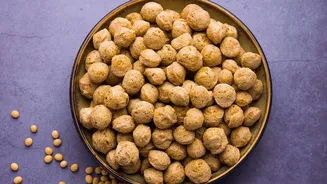
plant-based alternatives that mimic the taste and texture of meat. We're not just talking about soya chunks anymore. The market is now filled with sophisticated products made from pea protein, jackfruit, wheat gluten, and legumes, crafted to replicate everything from chicken pieces and mutton keema to succulent kebabs. This innovation is catering to a growing consumer base that is curious, health-conscious, and looking for variety without compromising on traditional flavours.
The Startups Fuelling the Change
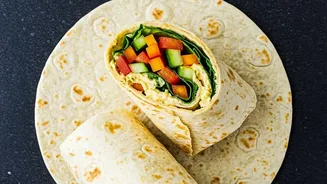
A vibrant ecosystem of Indian startups is at the heart of this transformation. Companies like Imagine Meats, Shaka Harry, and Blue Tribe are creating products specifically for the Indian palate. You can now find plant-based chicken tikka perfect for a flavourful wrap, spicy keema alternatives for filling samosas or topping grain bowls, and ready-to-cook biryani kits with meatless pieces. GoodDot has been a pioneer in making plant-based meats more accessible, while Evo Foods has introduced India’s first plant-based liquid egg substitute made from lentils, suitable for making everything from scrambled eggs to omelettes. These companies are not just selling products; they are reimagining how protein can be integrated into daily Indian meals.
The Health and Planet Connection
What’s driving this shift? It’s a combination of factors. A significant driver is a rising consciousness around health and wellness, with consumers moving from being calorie-conscious to nutrition-conscious. Many are actively seeking high-protein diets while looking to reduce their intake of cholesterol and saturated fats. Alongside health, environmental and ethical concerns are motivating many, particularly younger, urban consumers. Plant-based meat production generally requires less land and water and results in lower greenhouse gas emissions compared to conventional livestock farming, aligning with a growing desire for more sustainable living. Surveys have shown that a majority of Indian consumers are very likely to purchase and try these products, indicating a strong cultural readiness for this change.
Creative Culinary Adaptations
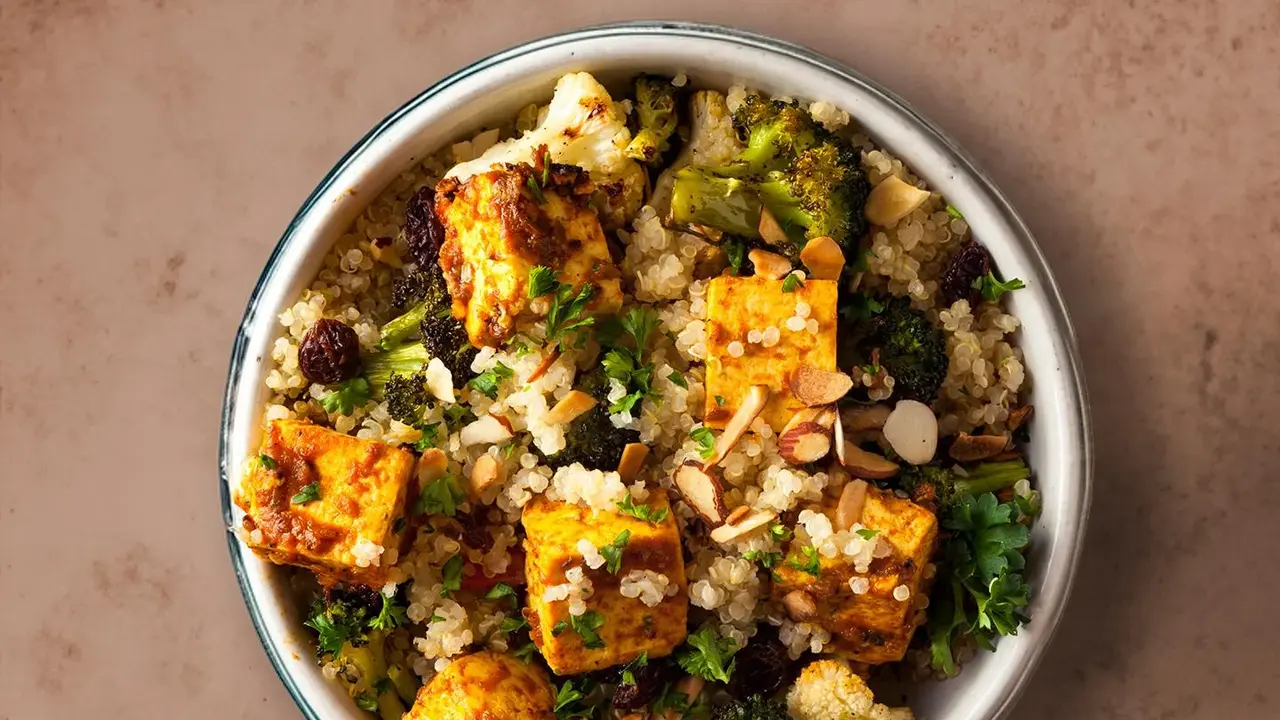
The real magic happens in the kitchen, where these new ingredients are being seamlessly woven into beloved Indian formats. Kathi rolls are being stuffed with spicy plant-based chicken strips instead of the usual paneer or potato. Hearty lunch bowls are being built with a base of millets or brown rice, topped with a flavourful mock-meat curry. Classic evening snacks like cutlets are getting a modern update using minced jackfruit or pea protein, offering that familiar crispy-on-the-outside, soft-on-the-inside texture. Even homemade snacks are getting a protein boost, with home cooks experimenting with plant-based keema in parathas or creating nutritious, protein-packed burgers for their families. The versatility of these new proteins means they can be grilled, fried, or simmered in a gravy, making them an easy substitute in countless traditional recipes.
Challenges and The Road Ahead
Despite the enthusiasm, the path to mainstream adoption has its hurdles. For many consumers, the taste, texture, and juiciness of plant-based alternatives still don't perfectly match conventional meat. Price is another significant factor, as many of these products are still more expensive than their traditional counterparts. Furthermore, a large portion of the key ingredients, such as high-quality pea and soy protein isolates, are currently imported, which adds to the cost. However, the industry is growing at a remarkable pace, with the Indian plant-based protein market projected to expand significantly in the coming years. As domestic production capabilities improve and companies continue to innovate on flavour and texture, these new forms of protein are set to become an even more common sight on Indian dining tables.