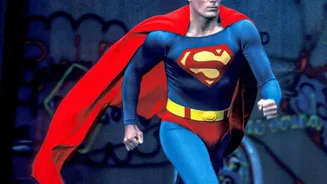







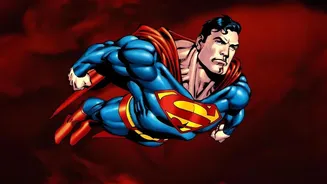
Superman (1978): Believing a Man Could Fly
Before 1978, superhero movies were largely considered B-movie fare for children. Richard Donner's 'Superman: The Movie' changed that forever. By casting respected actors like Marlon Brando and Gene Hackman and investing in a serious budget, the film made
a bold statement: these stories matter. Its famous tagline, "You'll believe a man can fly," wasn't just about special effects; it was a promise of legitimacy. The film proved that a comic book adaptation could be a critically acclaimed, epic blockbuster, setting a precedent that Hollywood would return to for decades. It treated its hero with mythic reverence, establishing a blueprint for prestige superhero storytelling.
Batman (1989): The Birth of Blockbuster Marketing
If 'Superman' made superhero films respectable, Tim Burton's 'Batman' made them an inescapable cultural event. Warner Bros. launched an aggressive, all-encompassing marketing campaign that became known as "Batmania." Months before release, a simple, elegant Bat-Signal logo appeared everywhere, with no text other than the release date. It was on T-shirts, toys, and cereal boxes, turning the film into a brand that you had to be a part of. This campaign revolutionized movie marketing, proving that the hype and merchandising could be as significant as the film itself. It transformed the blockbuster from a movie into a phenomenon, a template that studios still follow today.
X-Men (2000): The Modern Superhero Era Begins
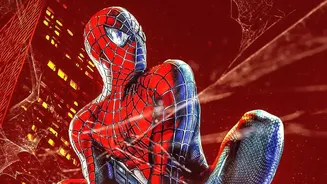
At the dawn of the new millennium, 'X-Men' resurrected the genre from a late-90s slump. Director Bryan Singer took the source material seriously, weaving themes of prejudice and social alienation into a compelling ensemble story. The film grounded its fantastical characters in a recognisably real world, clad in black leather instead of bright spandex. It proved that a team of lesser-known heroes could carry a major film, and its success, alongside Sam Raimi's 'Spider-Man' two years later, ignited the 21st-century superhero boom. This one-two punch laid the groundwork for the explosion of comic book cinema that was to follow.
The Dark Knight (2008): The Genre Earns Its Prestige
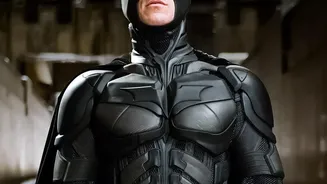
Christopher Nolan’s 'The Dark Knight' wasn't just a great superhero movie; it was a great movie, period. Framed as a tense crime drama, it explored complex themes of chaos, morality, and sacrifice. Heath Ledger's posthumous Academy Award for his iconic performance as the Joker was a watershed moment, shattering the perception that acting in comic book films wasn't 'serious' work. The film's critical and commercial success elevated the entire genre, proving these stories could be dark, complex, and worthy of cinematic art. For a time, every studio wanted its own "dark and gritty" take, demonstrating the film's immense tonal influence.
The Avengers (2012): The Universe Is Assembled
While previous films were standalone hits, 'The Avengers' accomplished something entirely new. It was the culmination of a multi-film, multi-hero gamble that started with 'Iron Man' in 2008. The film brought together characters from separate franchises into a single, epic crossover event. Its staggering success changed Hollywood's business model forever. Suddenly, every studio was racing to build its own interconnected "cinematic universe." This model, directly borrowed from the serialized storytelling of comic books, became the new blueprint for blockbuster dominance, solidifying the genre as the central pillar of modern pop culture.