
Decoding NEAT: Your Body's Secret Weapon
NEAT stands for Non-Exercise Activity Thermogenesis. It’s a scientific term for the energy you burn doing everything except sleeping, eating, or formal, structured exercise. Think of it as the calories expended while fidgeting, walking to the water cooler,
doing household chores, or even maintaining your posture while standing. While each activity seems minor on its own, they add up. For some highly active individuals, NEAT can account for a significant portion of their daily energy expenditure. It’s the constant, low-level movement that keeps your metabolic engine humming throughout the day.
Why More NEAT Is a Game-Changer
A lifestyle low in NEAT is essentially a sedentary one, which research has consistently linked to a higher risk of numerous health problems. These include obesity, type 2 diabetes, cardiovascular disease, and even certain types of cancer. When we sit for prolonged periods, our metabolism slows, our circulation becomes sluggish, and we burn far fewer calories. Increasing your NEAT helps counteract these effects. It’s a crucial factor in weight management because it represents a highly variable component of our daily energy burn. Studies have shown that leaner individuals tend to have higher NEAT levels, often standing and moving for hours more per day than individuals with obesity.
The Standing Desk: A Simple Start
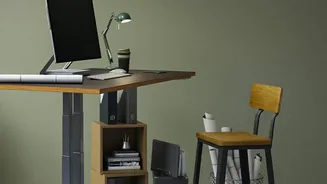
The standing desk is a perfect example of a simple habit that boosts NEAT. The act of standing requires more energy than sitting as it engages muscles in your legs, core, and back. This simple switch can improve posture, reduce back pain, and increase blood circulation. Some studies even suggest that blood sugar levels return to normal faster after a meal on days when a person spends more time standing. While it's not a replacement for exercise, integrating a standing desk—even for just a portion of your workday—is a powerful tool for reducing total sedentary time and its associated health risks.
Easy Ways to Boost Your Daily NEAT
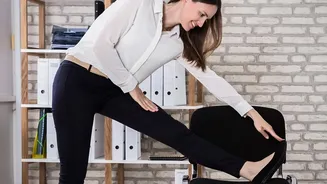
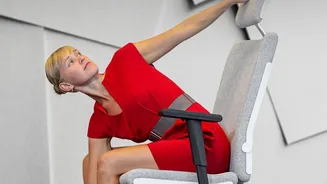
Beyond the desk, opportunities to increase NEAT are everywhere. The goal is to weave more movement into your existing routine. You can start by: taking the stairs instead of the elevator, parking farther away from the entrance at the grocery store, pacing while you're on a phone call, or getting up to stretch during TV ad breaks. Household chores like gardening, cleaning, and cooking all contribute to your NEAT. Even small, seemingly trivial movements like fidgeting, tapping your feet, or simply changing your posture frequently can make a cumulative difference. The key is to see your entire day as an opportunity for movement, not just the 30 minutes you might spend on a treadmill.
Making These Habits Stick
The power of these small changes lies in consistency. Don't try to overhaul your life overnight. Instead, pick one or two new habits to focus on. Perhaps you can commit to taking a 10-minute walk after lunch or decide to always take the stairs for any journey less than three floors. Set reminders on your phone to stand up and stretch every hour. Once a habit becomes automatic, you can add another. By making these actions small and achievable, you build momentum. This creates a positive feedback loop; the more you move, the more energy you have, and the more you feel motivated to keep going. It's about making healthier choices the easiest choices.