






The Ultimate Monsoon Feast
Forget five-star dining; the true taste of the Indian monsoon is found on the streets and in cosy kitchens. As the skies open up, a specific culinary magic unfolds. The undisputed king is the humble 'bhutta' (roasted corn on the cob), slathered with lime
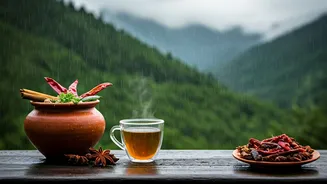
juice and spices, its smoky aroma mingling with the smell of wet earth. Then there are the deep-fried delights. A plate of piping hot 'pakoras' (vegetable fritters) or crispy 'samosas', paired with a steaming cup of masala chai, is not just a snack—it's a ritual. These foods are designed for the weather, offering warmth, comfort, and a satisfying crunch against the soft backdrop of falling rain. It’s a sensory experience that connects you directly to the season.
Regional Rains, Regional Tastes
Every region adds its own flavour to the monsoon menu. In the west, especially Mumbai, 'kanda bhaji' (onion pakoras) and 'vada pav' become essential fuel for navigating the water-logged streets. Head south to Kerala, and you'll find 'pazham pori' (banana fritters) becoming a household staple. In the north, the festival of Teej brings with it sweets like 'ghevar', a porous, disc-shaped cake soaked in sugar syrup. This is the time to explore local eateries and home-style canteens. Ask for the 'rainy day special'. You’ll discover that monsoon food is about more than just taste; it’s about community, tradition, and the simple joy of sharing a hot meal while watching the world get a much-needed wash.
Culture Comes Indoors
While outdoor sightseeing might be limited, the monsoon pushes cultural exploration indoors, offering a more intimate and focused experience. This is the perfect season to lose yourself in a city’s museums, art galleries, and historical palaces without the scorching sun and bustling crowds. Imagine having the quiet halls of the City Palace in Udaipur or the sprawling Salar Jung Museum in Hyderabad almost to yourself. It’s also a prime time for the performing arts. Cities like Chennai, Delhi, and Kolkata have vibrant schedules of classical music concerts, dance performances, and theatre productions. The sound of a 'tabla' or the melody of a 'sitar' feels all the more profound when accompanied by the rhythmic drumming of rain outside.
The Festive Spirit of Rain
The monsoon is not just a weather phenomenon; it’s a cultural event marked by festivals that celebrate nature's bounty and renewal. In Rajasthan and parts of North India, Teej sees women dressing in vibrant green clothes, swinging on decorated swings, and praying for marital bliss. It’s a colourful spectacle against the grey, overcast sky. In Kerala, the spectacular 'Nehru Trophy Snake Boat Race' often takes place amidst the monsoon's final flourish in August, a powerful display of teamwork and tradition. Participating in or even just observing these festivals provides a deep and authentic connection to the local way of life, turning your trip from a simple holiday into a cultural immersion.
Wellness and Rejuvenation
According to the ancient science of Ayurveda, the monsoon is the ideal time for rejuvenation therapies. The body is considered most receptive to treatment during this period because the atmosphere is cool, damp, and dust-free, which helps open up the body’s pores. Kerala, the cradle of Ayurveda, becomes a wellness haven. 'Panchakarma', a comprehensive detoxification and rejuvenation program, is particularly popular. The cool, moist air enhances the healing process, making treatments for everything from stress relief to chronic ailments more effective. It's a chance to hit the reset button, aligning your body and mind with the cleansing rhythm of nature.
Finding Your Inner Calm
Beyond formal treatments, the monsoon provides a natural setting for mindfulness and relaxation. Imagine a yoga retreat in the misty hills of the Western Ghats or the foothills of the Himalayas. The air is fresh, the landscape is a lush, vibrant green, and the sound of constant rain becomes a meditative soundtrack. Many resorts and wellness centres offer special monsoon packages that combine yoga, meditation, and nature walks. Even just sitting on a veranda with a book, watching the rain transform the landscape, can be a deeply restorative experience. It’s an opportunity to disconnect from the noise of daily life and reconnect with yourself, aided by the soothing power of nature.