


Your First Defence: The Backpack Rain Cover
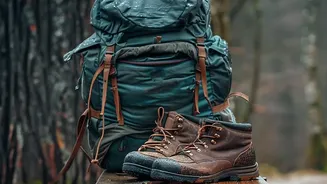
A high-quality rain cover is your first and most important shield against a downpour. Many modern trekking backpacks come with an integrated cover, but you can also purchase one separately. When choosing, fit is everything. A loose cover can be blown
about by the wind or allow water to seep in from the edges. Look for one that is the correct size for your pack's volume (measured in litres) and has an elasticated perimeter or adjustable straps to ensure a snug fit. This simple piece of gear wraps your backpack in a protective shell, covering zippers and seams that are often the first points of failure in heavy rain. Brands like Quechua, Wildcraft, and Tripole are popular choices available in India.
The Golden Rule: Internal Waterproofing
Experienced trekkers know that a rain cover alone is not enough, especially during the sustained rainfall common in the Western Ghats. Water can still get in, especially through the part of the backpack against your back. The solution is to create a second waterproof barrier inside your pack. The simplest and most cost-effective method is to line the entire interior of your backpack with a large, heavy-duty plastic bag or a trash compactor bag before you start packing. This creates a waterproof liner that protects all your belongings even if the outer backpack fabric gets soaked.
Compartmentalise with Dry Bags
For an even more robust system, organise your gear into smaller waterproof dry sacks before placing them in your pack. This strategy, often called double-sealing, offers the ultimate protection. Prioritise your most critical items: put your sleeping bag, spare clothes, and any down-filled items into their own dedicated dry bags. Getting these items wet is not just an inconvenience; it can be a safety risk, potentially leading to hypothermia. Electronics like phones, cameras, and power banks should go into smaller, reliable waterproof pouches or ziplock bags. This compartmentalised approach also makes it easier to find what you need without exposing all your gear to the elements.
Understanding 'Waterproof' vs. 'Water-Resistant'
Many backpacks are marketed as being made from 'water-resistant' fabric, often with a PU-coating or a Durable Water Repellent (DWR) finish. While these materials can handle a light shower, they are not designed to withstand hours of persistent monsoon rain. The seams and zippers are particularly vulnerable points where water will eventually penetrate. Think of water-resistant fabric as a helpful feature, but not a substitute for a comprehensive waterproofing system. Even if you own a high-end, seam-sealed backpack, using a rain cover and internal liners is still a wise precaution for the challenging conditions of the Ghats.
Ponchos and Quick-Dry Gear
Beyond your pack, consider your personal rain gear. A large poncho can be a great addition as it often has enough room to cover both you and your backpack, providing an extra layer of protection. However, they can be cumbersome in high winds. Also, remember that cotton is a poor choice for monsoon trekking as it absorbs and holds water, making you cold. Instead, opt for quick-drying synthetic fabrics like polyester and nylon for your clothing. Having a few extra pairs of moisture-wicking socks in a dry bag is also a small luxury that can make a huge difference to your comfort on the trail.