




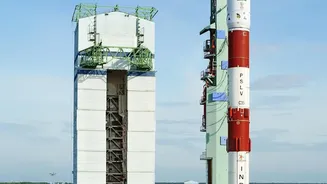
A New Space Age for India
For decades, a career in India's space sector meant one thing: joining the prestigious Indian Space Research Organisation (ISRO). But a seismic shift is underway. Following landmark policy reforms in 2020 and 2023, the government has thrown open the doors
to private enterprise. The establishment of IN-SPACe (Indian National Space Promotion and Authorisation Centre) as a single-window agency is designed to nurture this budding ecosystem. This has unleashed a wave of innovation, with the number of space startups growing from just one in 2014 to over 400 today. The goal is ambitious: to grow India's share of the global space economy from about 2-3% today to nearly 10% by 2030, potentially creating thousands of high-skilled jobs.
The Manufacturing Boom: Building the Future
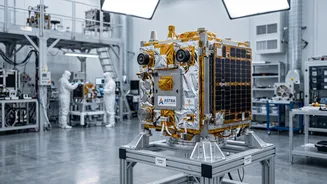
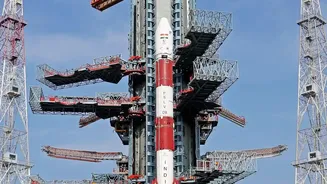
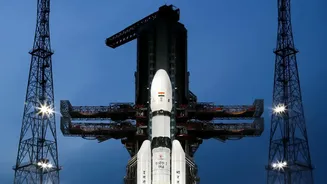
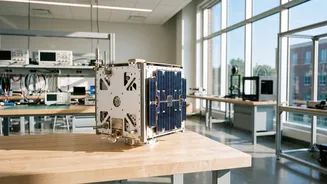
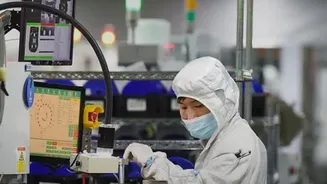
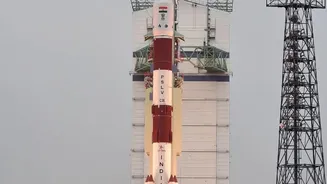
The most visible part of the space race is the hardware. Private companies are now deeply involved in the design, manufacturing, and assembly of rockets and satellites. This creates immense demand for a wide range of engineering talent. Aerospace engineers are needed to design launch vehicles and spacecraft, while mechanical and electronics engineers focus on everything from propulsion systems to communication payloads. Companies like Skyroot Aerospace, which became the first Indian private company to launch a rocket into orbit, and Agnikul Cosmos are hiring engineers with skills in 3D printing, advanced materials like carbon fibre, and systems integration. The supply chain also needs professionals in fabrication, quality control, and logistics to support this high-tech manufacturing push.
The Data Gold Rush: Information from the Stars
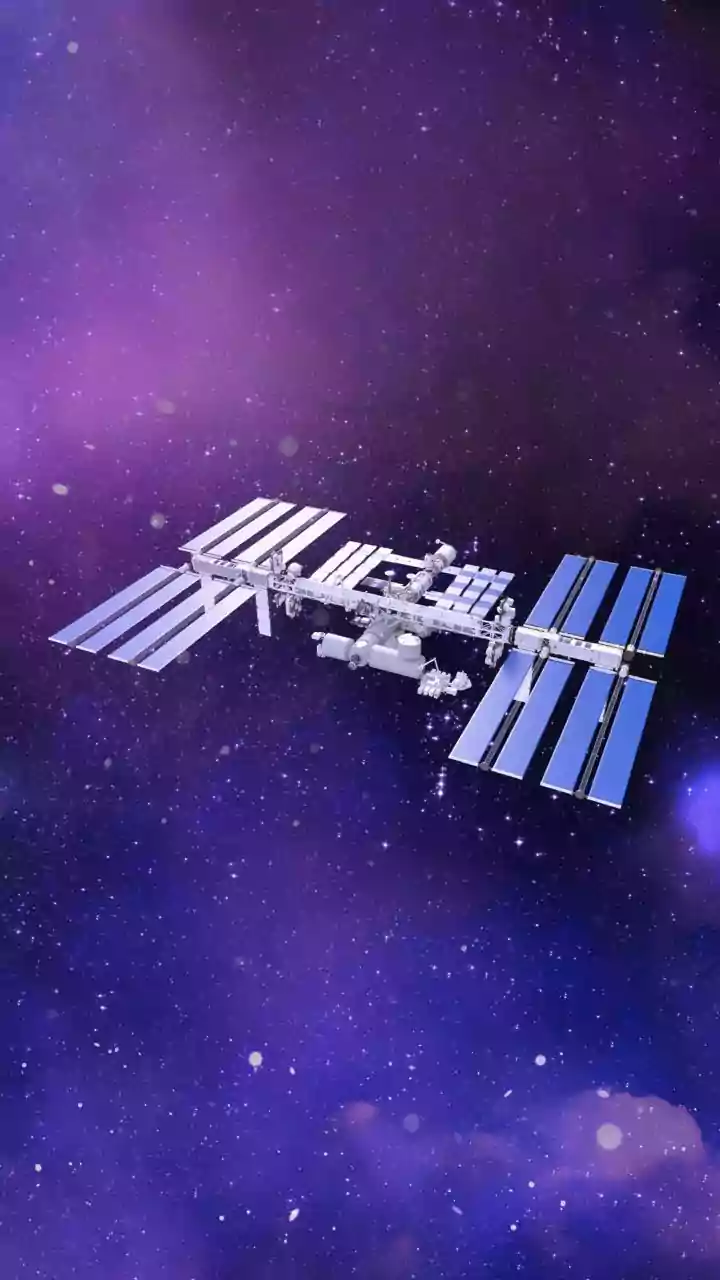
Beyond launches, the real commercial value of space often lies in the data collected by satellites. A constellation of earth imaging satellites can monitor everything from crop health and urban planning to climate change and disaster management. This has created a surge in demand for data scientists, GIS (Geographic Information System) specialists, and software developers. Companies such as Pixxel are building constellations of hyperspectral imaging satellites that generate enormous datasets. Professionals who can analyze this spatial data, build machine learning models, and create user-friendly applications are becoming indispensable. Roles for data analysts, AI specialists, and software developers are now common at space-tech firms, bridging the gap between orbit and enterprise.
Masters of Mission Operations: The Ground Crew
A satellite or rocket is only as good as the team operating it from the ground. The operations segment is a critical and growing field for employment. This includes roles in mission control, spacecraft operations, and ground station management. Spacecraft Operations Managers are needed to lead teams that monitor the health and status of satellite constellations 24/7. This requires expertise in flight dynamics, communications systems, and contingency planning. As private companies launch their own constellations, they need their own mission control centres staffed with controllers, flight dynamics engineers, and ground software support teams. These roles are vital for ensuring that expensive assets in space operate efficiently and safely throughout their mission life.
Getting on the Launchpad: Essential Skills
While the opportunities are vast, breaking into the space sector requires a specific skill set. A strong foundation in a STEM field—like aerospace, mechanical, or computer science—is often a prerequisite. For manufacturing roles, experience with CAD software, materials science, and electronics is key. For data-centric jobs, proficiency in Python or R, along with expertise in data visualization tools like Tableau or Power BI and cloud platforms, is crucial. Beyond technical skills, private companies value problem-solving ability, hands-on project experience (like student satellite programs), and a passion for innovation. Many companies also offer internships and research programs, providing a direct pipeline for the next generation of talent.